
Last updated November 21, 2026
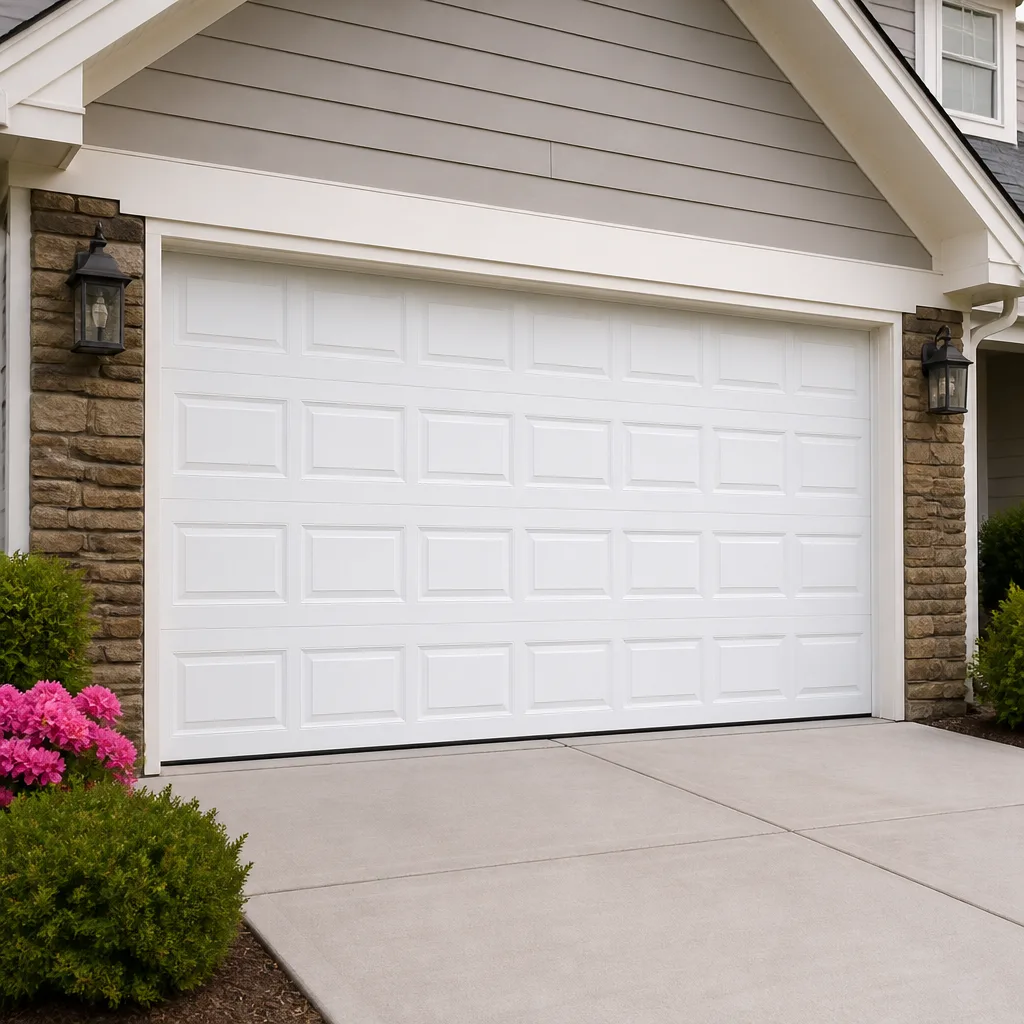 Raised-panel steel
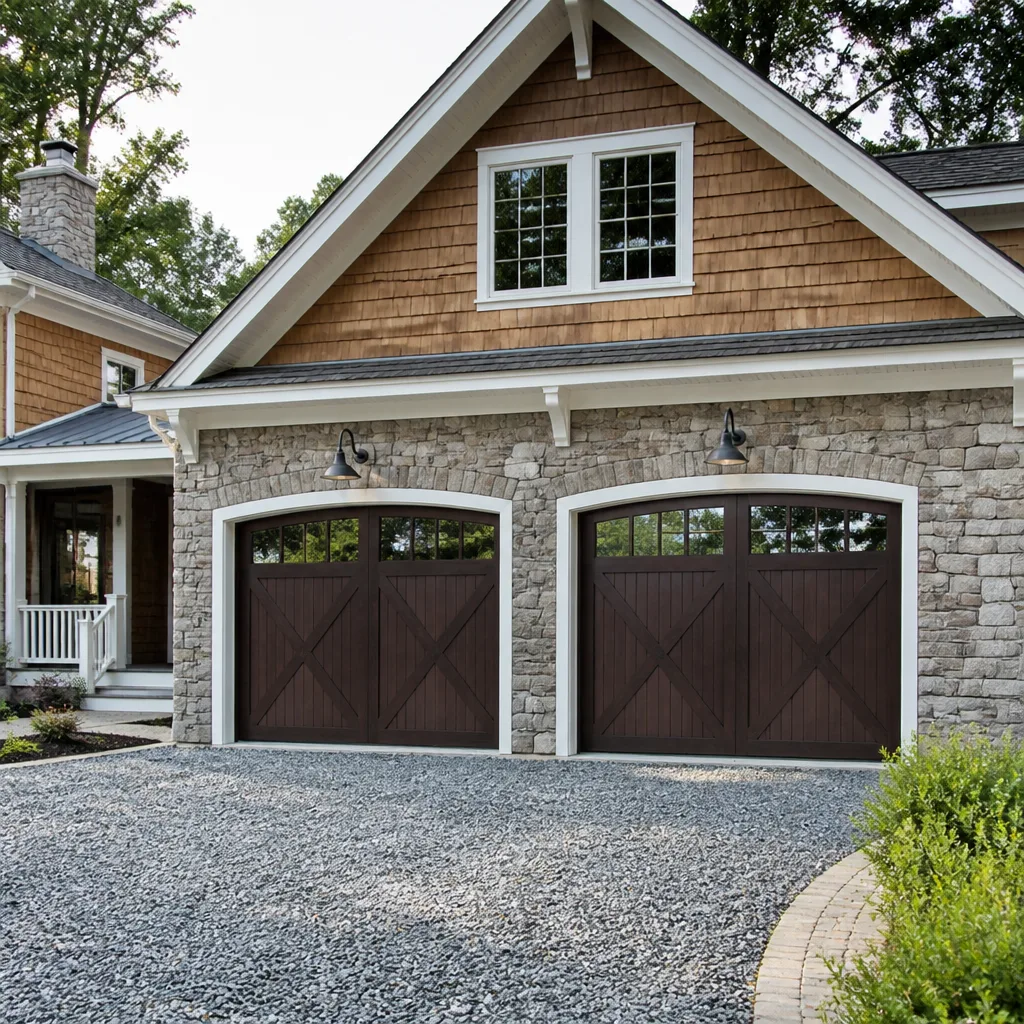 Carriage house
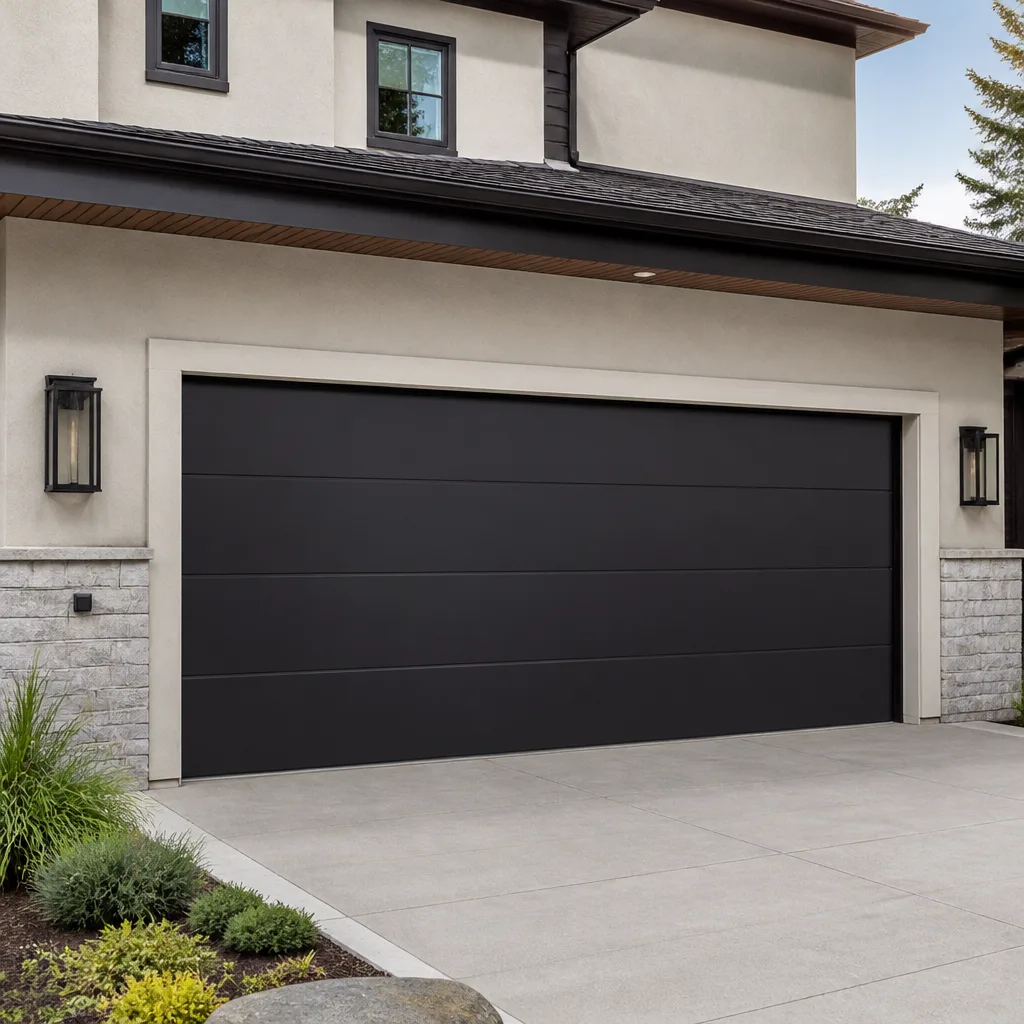 Modern flush
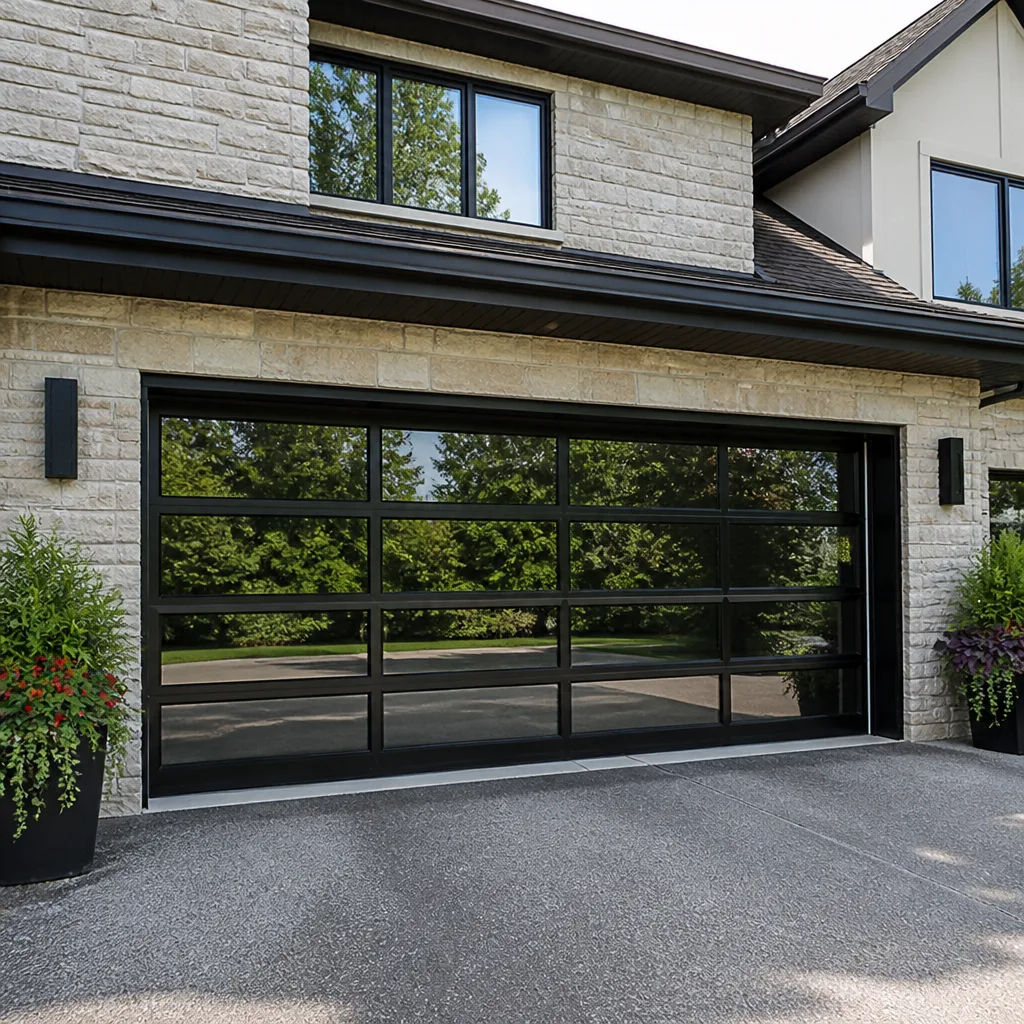 Full-view glass
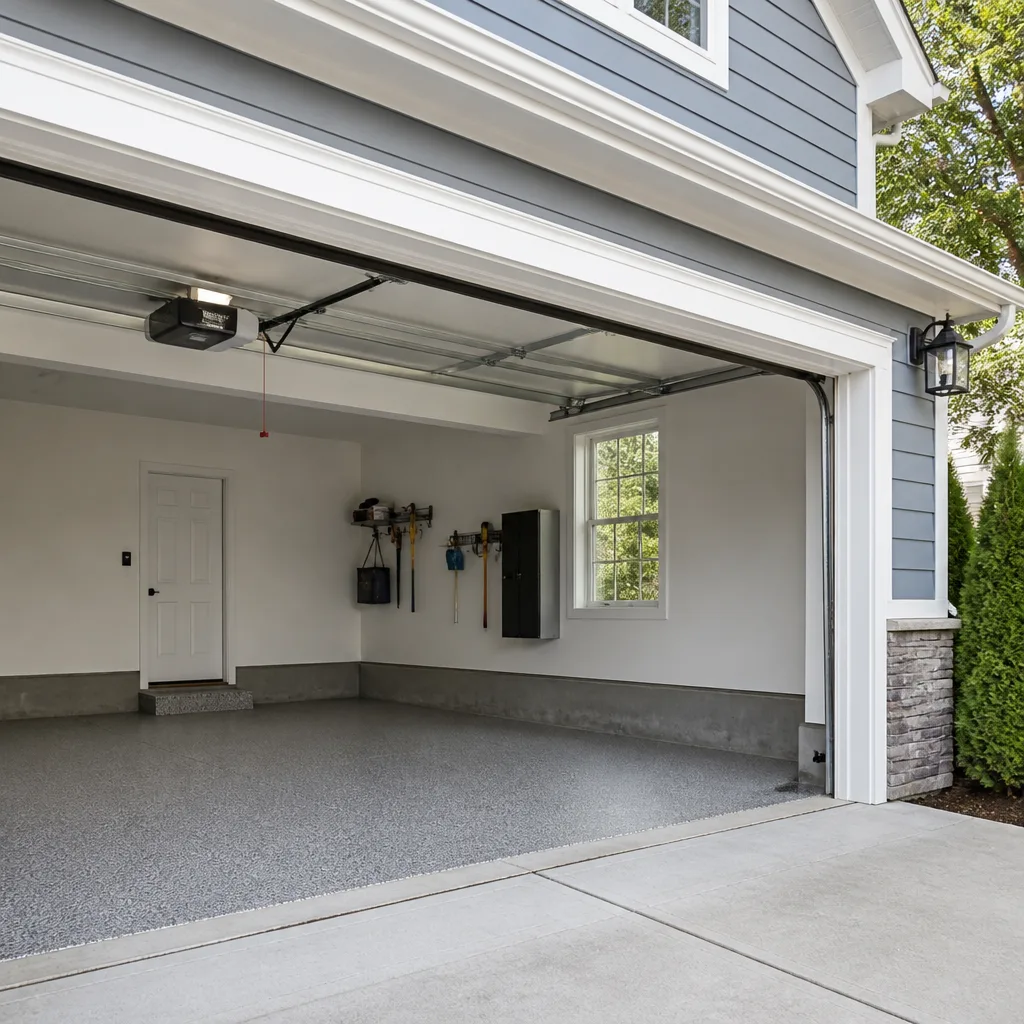 LiftMaster openers
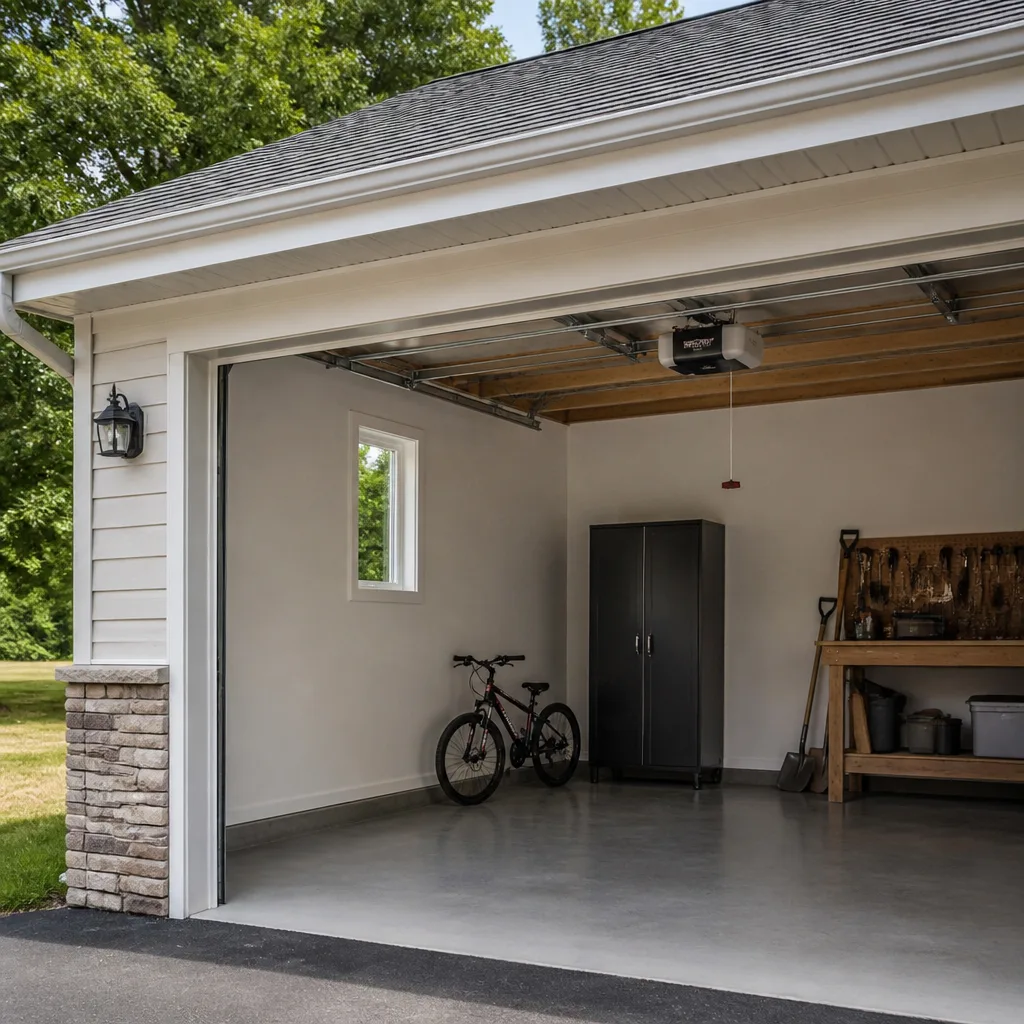 Chamberlain openers
Full 25-point door and opener safety check with every visit - springs, cables, rollers, tracks, and your LiftMaster or Chamberlain opener included
You get a price before we start. It does not change when the pro arrives.
Get your free estimateGarage Door Repair Maintenance Checklist for Sunnyside Homeowners
Most garage door checklists are written for a house in a climate that doesn’t exist. They tell you to spray the springs every month, tighten every bolt, and call it done. That advice misses the point. The garage doors that fail in Sunnyside tend to fail in the same handful of places, and they fail for reasons tied to how this neighborhood actually lives: tightly packed blocks, older one- and two-car detached garages behind the house, doors that sit through humid summers and freeze-thaw winters without anyone looking at them. So this checklist is built around the failures we actually see on service calls in Sunnyside, not a national average. You’ll learn the five spots to check first, a two-minute balance test that tells you about spring health, why the type of lubricant matters more than how often you use it, and a maintenance calendar that follows the Sunnyside seasons.
Quick Answer
The core of a garage door maintenance checklist for Sunnyside is a visual inspection of springs, cables, rollers and tracks, a two-minute balance test, and correct lubrication of the moving parts – done at the change of seasons, with a spring-tension check before winter. Springs and cables under high tension are the one part of this you should never adjust yourself; a trained technician handles those. Everything else on this list a homeowner can safely look at.
Styles & brands we work with
- Raised-panel steel
- Carriage house
- Modern flush
- Full-view glass
- LiftMaster openers
- Chamberlain openers
Table of Contents
- The Five Failure Points We See Most in Sunnyside
- The Two-Minute Balance Test and What It Tells You About Your Springs
- Why Lubricant Type Matters More Than How Often You Apply It
- The Visual Inspection Sequence That Catches Problems Early
- A Maintenance Calendar Built Around Sunnyside’s Seasons
- What Your Opener Is Telling You (and When to Listen)
- What You Should Never Do Yourself
- Repair or Replace? How to Decide
The Five Failure Points We See Most in Sunnyside
Garage doors in Sunnyside share a set of failure patterns. The housing stock here runs heavily to older attached and detached garages, many with original or older hardware, on blocks where a door gets used several times a day. That use adds up. Here are the five failure points our technicians check first on any Sunnyside call, because these are the ones that come up again and again.
- Spring fatigue and breakage. Torsion springs carry the door’s weight. When they weaken, the opener works harder than it should; when they snap, the door becomes too heavy to lift safely. Spring problems show up more in the cold months, which is why the pre-winter check matters so much.
- Cable fraying and slack. Cables run along the sides of the door and work with the springs. On older hardware they can fray at the drum, and a frayed cable is a failure waiting to happen. We look at the cable along its full length, not just the ends.
- Roller wear and track misalignment. Steel rollers wear flat spots over time, and worn rollers put sideways pressure on the tracks. In a tight Sunnyside garage, the door often travels close to a wall or a car, so a small track shift shows up fast as a scraping or binding door.
- Opener strain and drive wear. A strained opener – one that’s fighting a heavy door – is a common culprit. Belt, chain and screw drives each wear differently, and smart-home openers from brands like LiftMaster or Chamberlain can throw an error code long before the door stops working.
- Hinge and hardware rust. Humid summers plus winter road moisture loosen hinges and corrode the bottom brackets. Rusted hinges are easy to spot on the yearly walk-around and cheap to address before they seize.
If any of these already look wrong, that’s a diagnostic problem, not a maintenance one. Our garage door repair team can look at it and give you a straight answer on what needs fixing.
The Two-Minute Balance Test and What It Tells You About Your Springs
The balance test is the single most useful thing a homeowner can do, and it tells you more about spring health than any visual check. Here’s how it works, and what to make of the result.
- Close the door fully. Pull the manual release cord so the opener disconnects from the door. This is with the door down and the opener off, so nothing is moving under power.
- Lift the door by hand to about halfway, then let go. A healthy door with working springs should stay roughly where you left it, or drift only slightly.
- If the door slams down, the springs are weak and the door is heavier than the springs can hold. If it rises on its own, the springs are over-tensioned.
- Reconnect the opener and run the door once to confirm normal operation.
What the result tells you: a door that won’t hold halfway is a door with tired springs. That’s not a failure yet, but it’s the moment to schedule a spring check before a snap turns a modest repair into an urgent call. What the test does not tell you is how to fix tension. Adjusting torsion springs is a job for a trained technician with the right winding bars and a clear understanding of the risk – never something to attempt from a balance test result. If you’re seeing slow lift, sagging, or a grinding sound on the way up, our garage door opener repair team can separate an opener problem from a spring problem in one visit.
Why Lubricant Type Matters More Than How Often You Apply It
Homeowners often lubricate too much and with the wrong product. On older hardware, oil and grease attract grit, and grit is what wears rollers and hinges out faster. So the question isn’t “how often do I spray it” – it’s “what am I spraying, and where.”
- Use a silicone-based or lithium-based lubricant on hinges, rollers and the torsion shaft. These stay put without collecting a lot of dust, which matters in a garage that opens to a driveway.
- Avoid heavy grease and general-purpose household oil on the roller tracks. Grease traps grit, and grit on a track grinds the rollers. A light, dry-style lubricant is the better choice there.
- Don’t spray the track surface itself. A clean, dry track runs better than a greasy one, and most binding issues are alignment problems, not lubrication problems.
- Use a few drops, not a coat. Hinges and roller stems need a small amount. If you can see it pooling, you’ve used too much.
- Never loosen hardware to lubricate it. Tighten what’s loose and lubricate what’s meant to move; don’t loosen a bracket or a track bolt just to get a spray can in.
Lubrication is the easiest part of garage door maintenance in Sunnyside to do correctly once you know the products. It’s also the part most often done with the wrong can. In our experience, a modest amount of the right lubricant twice a year beats a heavy spray every month.
The Visual Inspection Sequence That Catches Problems Early
A visual inspection done in the same order every time catches the problems people miss. Grit picked up over time, a cable starting to fray, a track out of line – these are easy to see when you look in sequence, and easy to miss when you look randomly.
- Start with the springs, from a distance. Look at the torsion spring above the door or the extension springs along the sides. Springs should look uniform. Any stretched section, visible gap, or spring that appears to have lost shape is a technician call. Never touch springs.
- Walk the full length of both cables. Look for fraying, kinks, or a cable that’s clearly slack. Run your eye from the drum to the bottom bracket.
- Look at hinge and bracket condition. Check for rust, loose screws, and hinges that have lost their shape. Bottom brackets are a common rust point.
- Check the track line. Look along each track from top to bottom for bends, gaps at the joins, or a track that looks out of line. A track that’s out of line will show as a door that binds or scrapes.
- Look at the weatherseal along the bottom. A torn or flattened bottom seal lets water in. That’s a low-cost fix, but it’s worth catching before winter.
- Check the opener and its hardware. Look for sagging brackets, a loose chain or belt, and – if you have one – a smart-home opener’s error indicator. LiftMaster and Chamberlain units often log a fault you can read before the door fails.
Done head to toe, this sequence takes about five minutes. If you have a multi-brand system and aren’t sure what you’re looking at, our team works on nearly every major brand – LiftMaster, Chamberlain, Genie, Clopay among them – so you aren’t stuck waiting on a brand-specific dealer to explain it. More on the full Sunnyside Garage Door Repair Pros approach below.
A Maintenance Calendar Built Around Sunnyside’s Seasons
A quarterly reminder from a checklist app has nothing to do with how a garage door actually wears. Sunnyside gets humid summers and cold winters, and those two halves of the year put different stress on a door. Here’s a schedule that fits the local climate rather than a generic calendar.
- Early fall (before the cold). Run the balance test. Check spring shape and cable condition. This is the pre-winter spring check, and it’s the one most homeowners skip – it’s also the one that catches a tired spring before a cold snap turns it into a broken one.
- Late fall (after the first cold mornings). Lubricate hinges, rollers and the torsion shaft with a silicone or lithium product. Cold tightens metal, and a door that binds in the cold often just needs the right lubricant in the right places.
- Early spring (after the last freeze). Do the full visual inspection sequence. Winter is when cables and brackets take their worst wear, and loose hardware from a cold season shows up here.
- Late spring (before the humid stretch). Have a technician look at springs, cables and rollers if the balance test showed any weakness in the fall. Humidity doesn’t break a spring, but it does speed up roller and hinge wear, and that’s what you’re checking for.
- Mid-summer (the easy check). Test the door, look at the seal, listen for new noises. If something changed since spring, that’s your cue.
- Any time the door’s behavior changes. A new scrape, a grinding sound, a door that won’t hold halfway – these override the calendar. Those are not calendar items; they’re reasons to book a technician.
A realistic schedule for a Sunnyside garage is four real checkpoints a year, timed to the seasons, plus a call whenever something changes. That’s it. A door that fails in Sunnyside almost always gave warnings first – they just weren’t on anyone’s calendar.
What Your Opener Is Telling You (and When to Listen)
Openers are good at telling you something is wrong before the door stops working. Most of the time the fix is on the door, not in the opener. Our technicians see plenty of homeowners who assume an opener problem is an opener replacement, when the real issue is a heavy door the opener has been straining against for months. That distinction is worth knowing.
- Grinding or humming with no movement. Usually the opener is trying to lift a door that’s too heavy or in a bind. Before you replace the opener, check the balance test result. A strained opener is a symptom; the spring or track is often the cause.
- Door reverses without hitting anything. The opener’s safety sensor or travel limit is out of adjustment, or something is obstructing the photo-eye. Cleaning and realigning the sensors is a homeowner task; travel limits and force settings are a technician’s.
- The opener opens the door partway and stops. Could be a worn gear inside the opener, or simply a heavy door. A belt-drive or screw-drive unit from Genie or Chamberlain can log this as a fault on a smart-home app, which makes it easier to diagnose.
- Remote only works close to the door. Antenna placement or a failing battery, not a reason to replace the opener.
- Noises that changed with the seasons. Cold weather stiffens a belt or chain. A seasonal lubricant pass on the rail and a check of the tension usually resolves it.
The rule we follow: repair first, replace only when repair no longer makes sense. If your opener is a LiftMaster or Chamberlain smart unit, you’re likely to get an error code that narrows the problem before anyone opens a housing. Our team works on nearly every major opener brand, so a diagnosis doesn’t mean a forced upgrade.
What You Should Never Do Yourself
There’s a short list of things on a garage door that genuinely should not be DIY. The springs are the most important. A torsion spring above the door and the extension springs along the sides are under extreme tension. A spring that lets go while someone is working on it can cause serious injury, and the tool requirements – winding bars, proper technique – are not something you improvise. The same goes for the cables, which are loaded by the springs. If a cable needs adjusting or a spring needs re-tensioning, that’s a trained-technician job.
Here’s the safe division of work:
- Homeowner-safe: visual inspection, the balance test with the opener disconnected, lubricating hinges and rollers, cleaning the photo-eye sensors, checking the bottom seal, and tidying the garage so nothing blocks the door’s path.
- Technician-only: spring tension adjustment or replacement, cable replacement, track and bracket realignment that involves loosening structural hardware, and any opener setting that changes force or travel limits.
Our technicians have up to 14 years of experience, which means the danger on these components is well understood and the tools are the right ones. If you’re ever unsure whether a task belongs on the homeowner or technician side, assume it’s the technician side. If your door won’t move, that’s not a next-week problem. Emergency service exists for exactly this.
Repair or Replace? How to Decide
At some point the question stops being “what’s broken” and becomes “is this door worth fixing again.” It’s worth thinking about before the failure, not in the middle of one. Three things point to repair: a single component that failed on an otherwise sound door, hardware that’s still within spec, and a door that’s structurally fine. Three things point to replacement: repeated spring and cable failures on old hardware, a door that’s become a frequent call, and a full panel or structural failure after years of use.
The middle case – a door that works but is consistently noisy, binding, and looking its age – is where we spend most of our time. Repairing the pieces that fail makes sense as long as the door passes the balance test and the tracks stay true. A new door makes more sense when the cost of the next five repairs adds up to a replacement, and that’s a conversation, not a pitch. If you’re weighing a new door, our garage door installation team can walk you through brand options – Clopay, Amarr and the like – without favoring any one manufacturer.
Common Mistakes to Avoid
- Running the balance test with the opener connected. It has to be disconnected, or the opener takes up the slack and you get a false “healthy” result. This is the number-one reason a balance test tells someone their springs are fine when they aren’t.
- Using heavy grease on the tracks. It attracts grit, and grit wears rollers. In a garage that opens to a Sunnyside driveway, keep the tracks clean and dry, and use a dry-style lubricant on the moving hardware.
- Skipping the pre-winter spring check. This is the failure most likely to happen in the cold, and the cheapest one to catch. A tired spring checked in October is a small repair; a snapped one in January is an urgent call.
- Assuming a dead opener needs replacing. Most “dead opener” calls are really heavy-door calls. Check balance first.
- Tightening bolts on the track without checking alignment. Overtightening one side can pull a track out of line and turn a loose bracket into a binding door. Loosen carefully, or hand it to a technician.
- Ignoring the bottom seal. A torn seal lets water in, and water plus winter is how brackets and hinges rust out faster. It’s a small fix on its own.
- Ignoring a new noise. A door that didn’t scrape last month and scrapes now is telling you something changed. That’s the cheapest moment to call.
See the difference
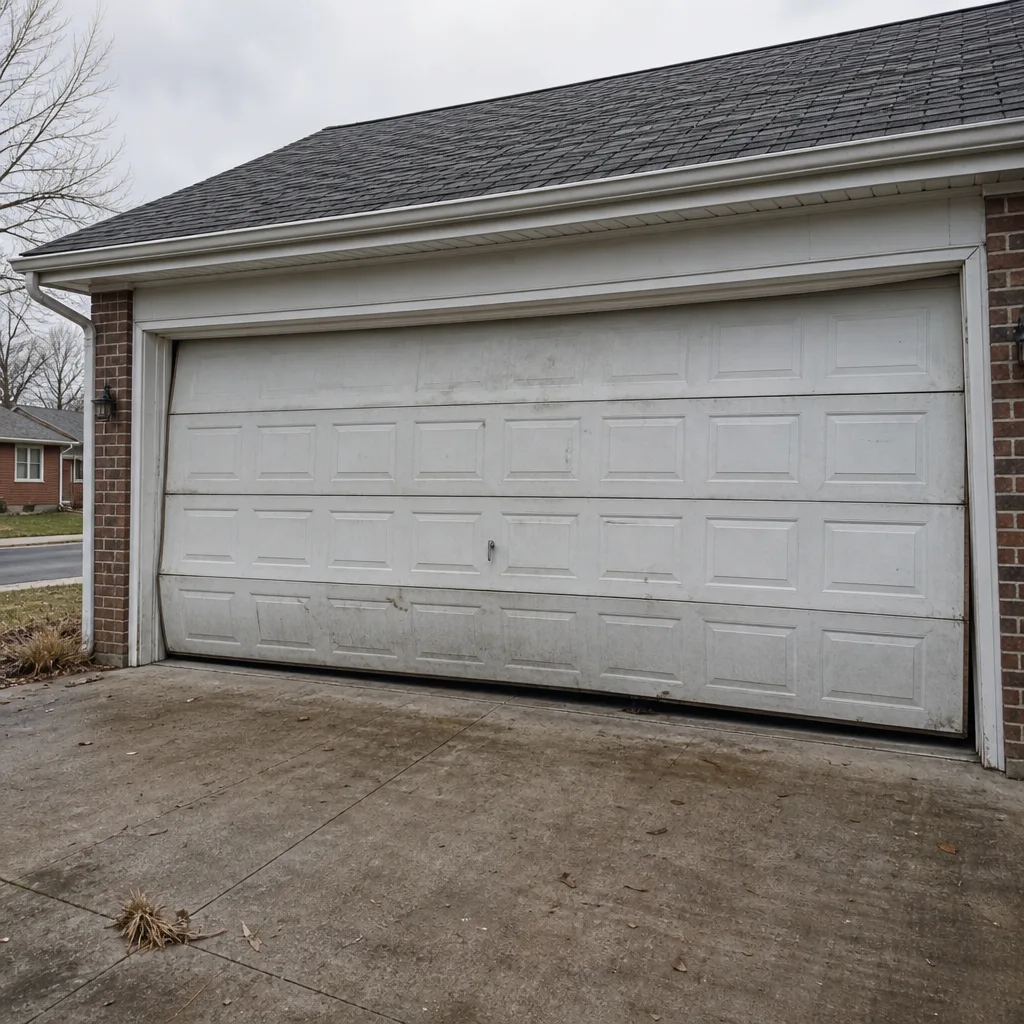 Before
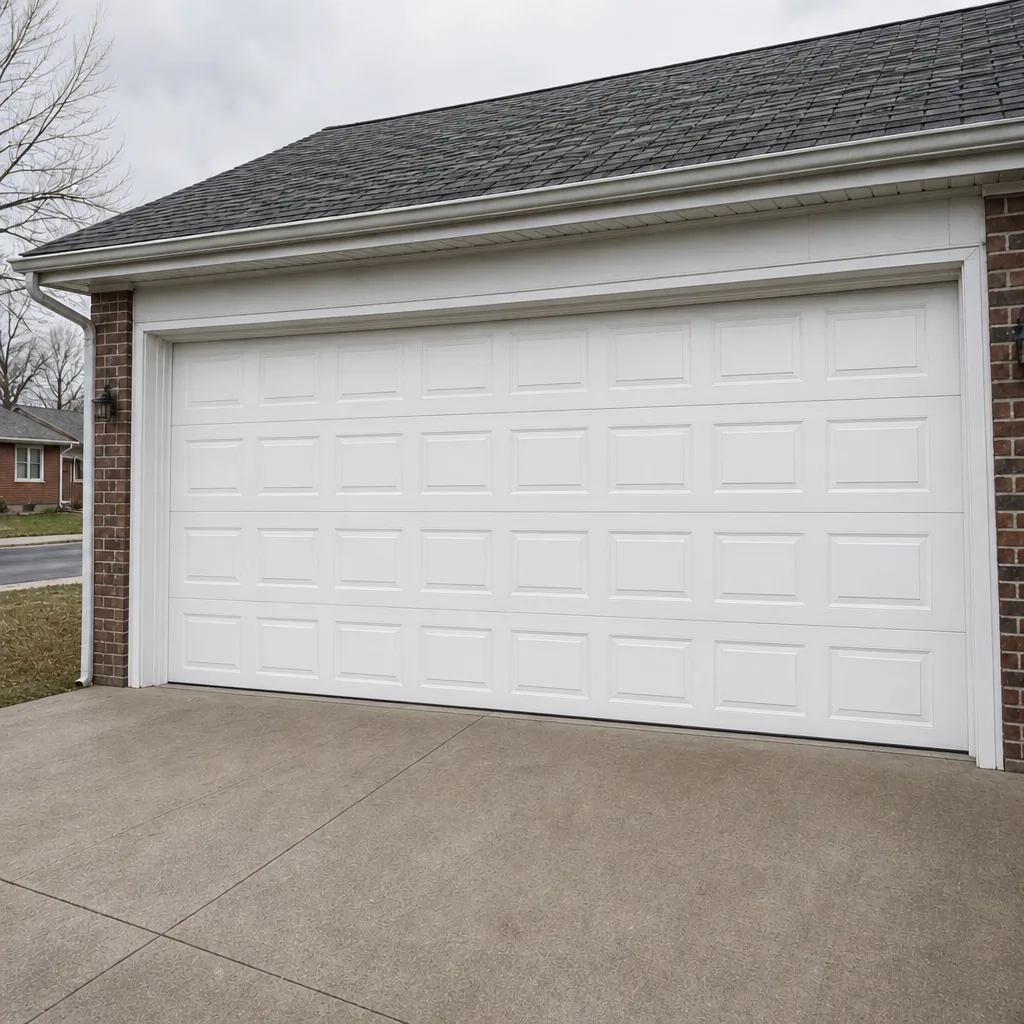 After
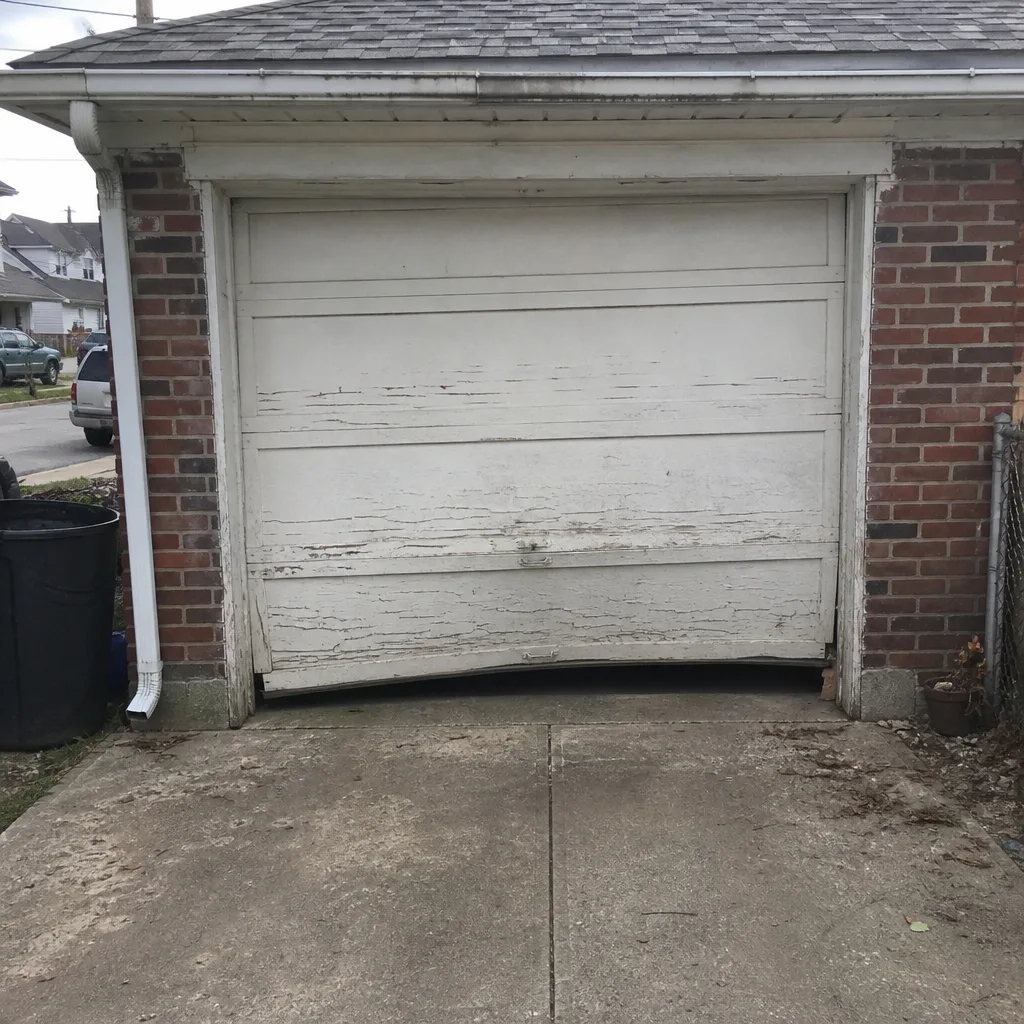 Before
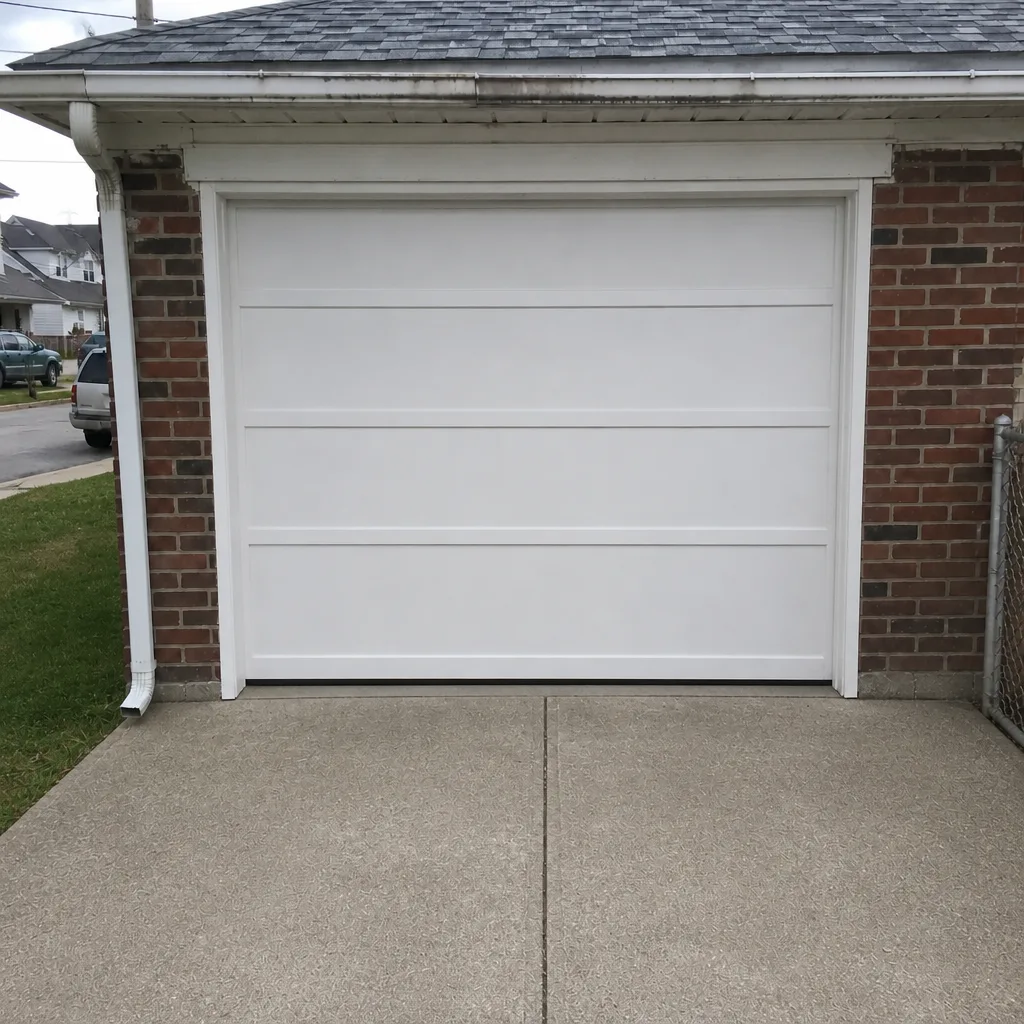 After
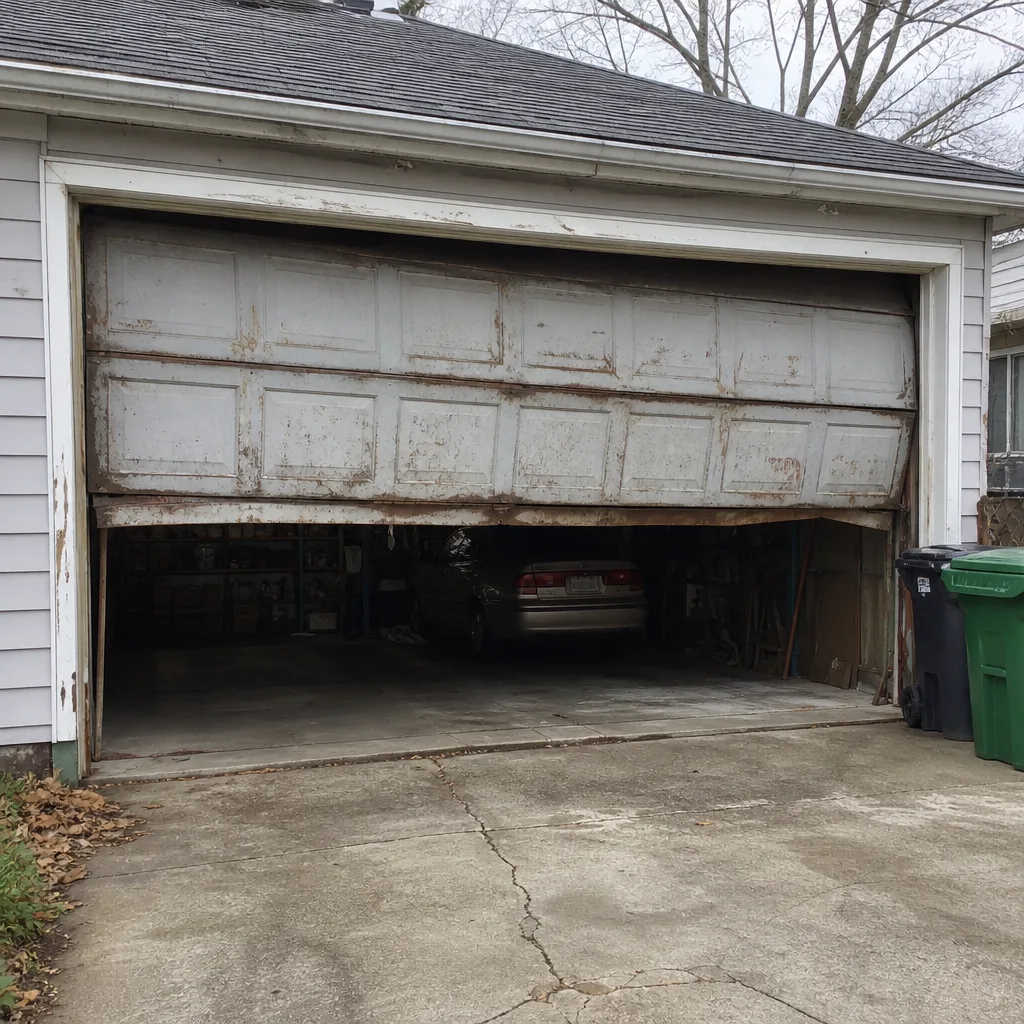 Before
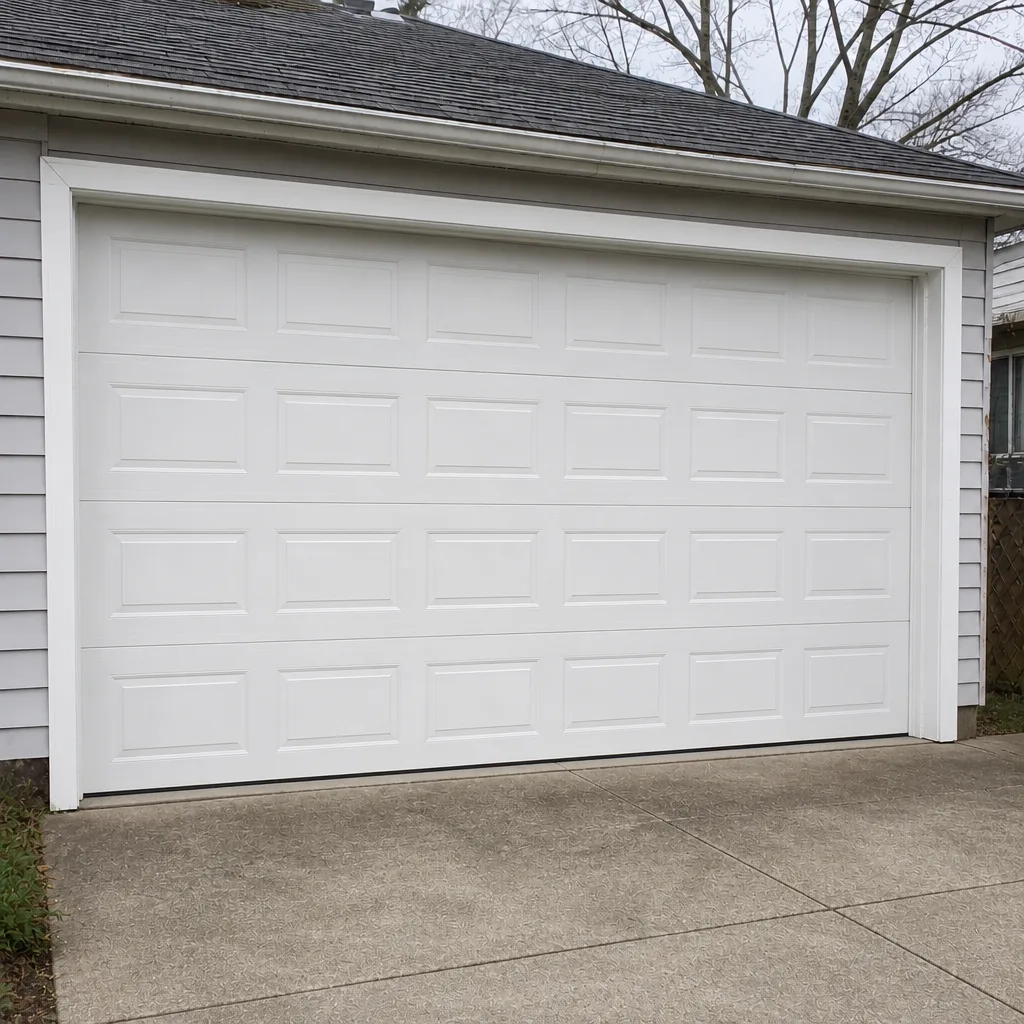 After
When to Call a Professional
Some problems on a garage door are worth booking a professional immediately. A spring that has broken or looks stretched beyond its normal shape, a cable that is visibly frayed or slack, a door that is off its track, an opener that hums without moving the door, and a balance test that fails – these are all technician calls. So is any repair that requires touching torsion springs, cables or the structural hardware on the tracks. If in doubt, don’t push a door that’s binding; a strained motor or a jammed track can turn a repair into a replacement. For routine maintenance that turned up something you’d rather have checked, Sunnyside Garage Door Repair Pros offers free estimates in Sunnyside – call (833) 918-8419. We answer 24/7. Fast dispatch from 7am to 7pm, Sunday through Friday. Windows of work outside those hours are booked into the next opening.
Frequently Asked Questions
Four times a year is realistic: pre-winter (the important one), late fall after the first cold mornings, early spring after the last freeze, and mid-summer. The pre-winter spring check is the highest-value of the four because spring failures are most likely in the cold. If you don’t want to do all four yourself, the pre-winter balance test is the one to keep. Call (833) 918-8419 for a free estimate if a check turns up something you’d rather have looked at.
No. Torsion springs and the cables they load are under extreme tension, and a failure during the job can cause serious injury. This is the one repair that genuinely shouldn’t be DIY – the tooling and safety protocol are a technician’s job. If your balance test showed tired springs, call (833) 918-8419 for a free estimate on a spring replacement.
It means the springs are no longer carrying the door’s weight. That’s spring fatigue, and it’s a warning sign rather than a failure. Get it checked before a snap turns it into an urgent call. Call (833) 918-8419 for a free estimate; we can tell you whether it’s a spring adjustment or a replacement.
Cold tightens metal and stiffens belts, so a door that’s been fine all fall often gets louder at the first cold snap. A seasonal lubricant pass on the hinges, rollers and shaft usually resolves it. If the noise comes with a strain or a door that lifts slowly, have the springs and balance test done. Call (833) 918-8419 for a free estimate.
Yes. We work on nearly every major brand, so you aren’t stuck waiting for a brand-specific dealer. Our technicians are trained on eight leading brands including LiftMaster, Chamberlain, Genie, Clopay, Amarr, Wayne Dalton, Craftsman and Raynor. Call (833) 918-8419 for a free estimate on an opener problem – we repair first and replace only when repair no longer makes sense.
No. Every job is quoted and agreed before any work starts, and the written estimate is the price. That means the number you’re given at the estimate is the number you approve before a technician touches the door. Call (833) 918-8419 for a free estimate – answers to maintenance questions and repair questions are both free.
The Bottom Line
Garage door maintenance in Sunnyside comes down to five failure points, one two-minute test, and a schedule that follows the seasons instead of a generic reminder. Check the springs before winter, use the right lubricant in the right places, run the visual inspection sequence in order, and treat new noises as a reason to call rather than wait. Everything that matters most on this door – spring tension, cable condition – is a trained-technician job, and everything else you can look after yourself. A Sunnyside door that’s maintained on this schedule gives you warnings; one that isn’t skips straight to the urgent call. When it’s time to book, one provider handles the whole system – mechanical parts, opener electronics, or a full new door.
From a grinding opener to a full door replacement, one call covers it. Call (833) 918-8419 for a free estimate. We answer 24/7. Fast dispatch from 7am to 7pm, Sunday through Friday.
Written by the team at Sunnyside Garage Door Repair Pros.