
Last updated November 21, 2026
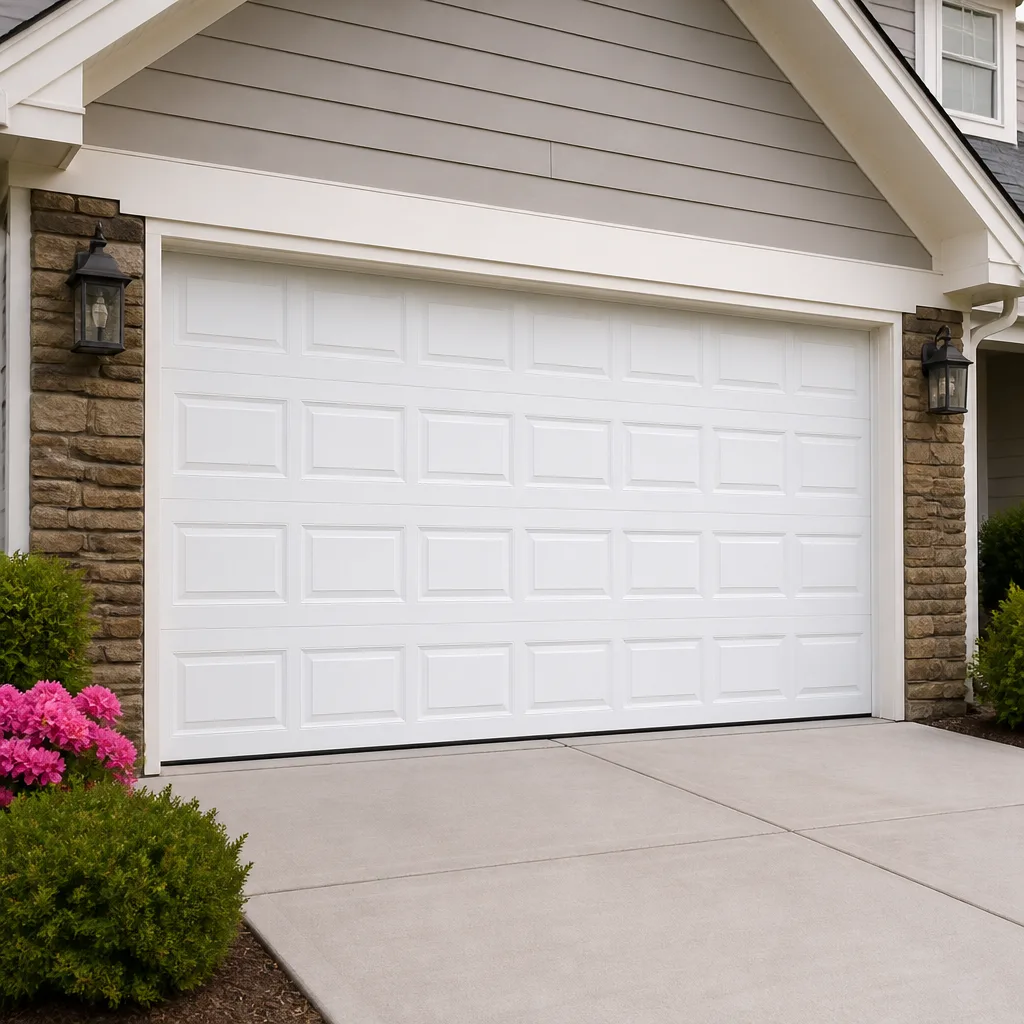 Raised-panel steel
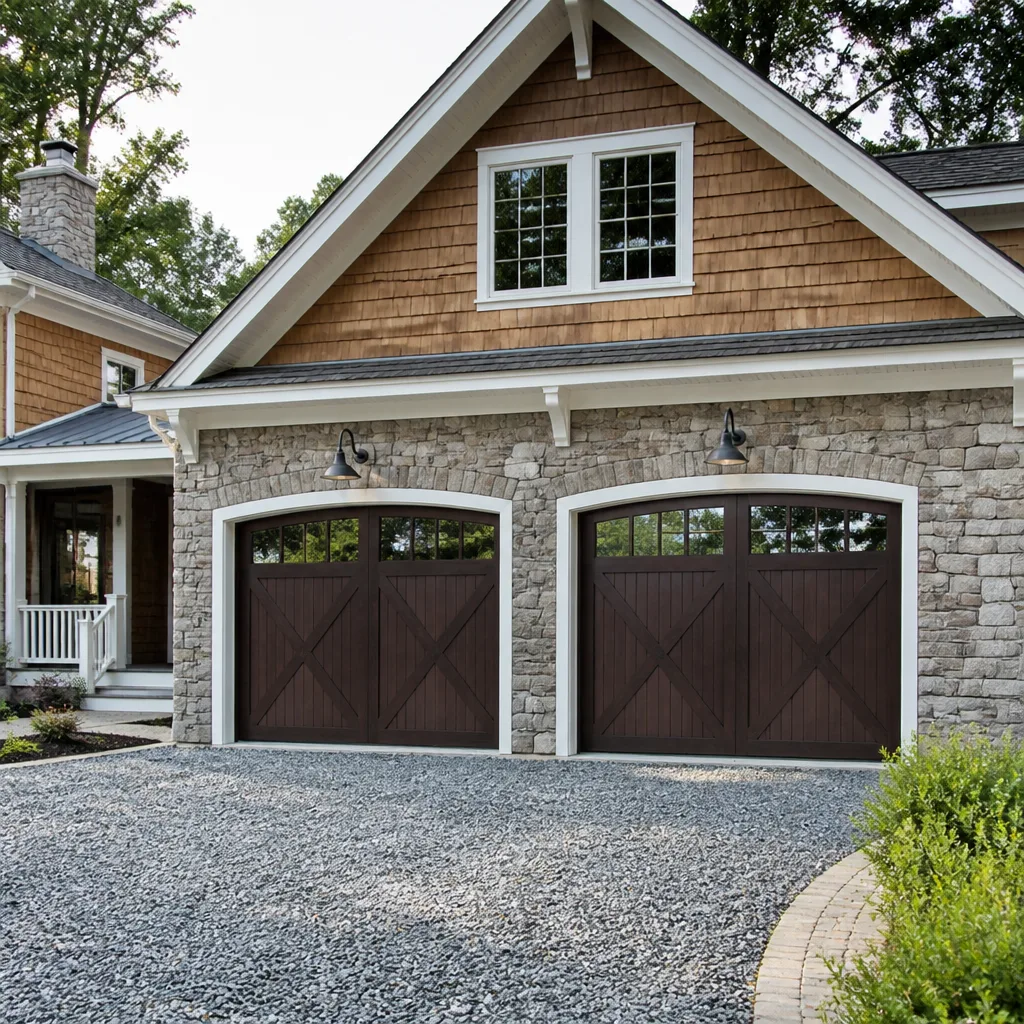 Carriage house
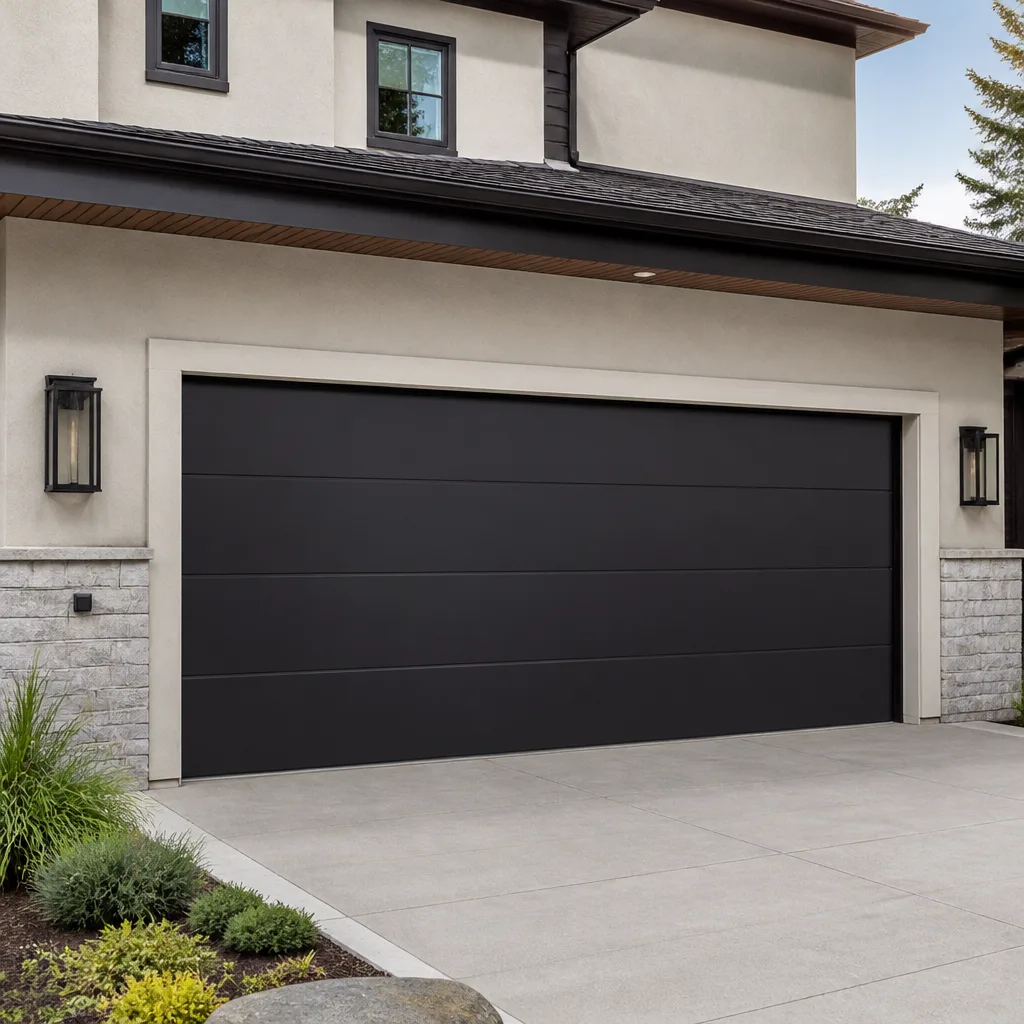 Modern flush
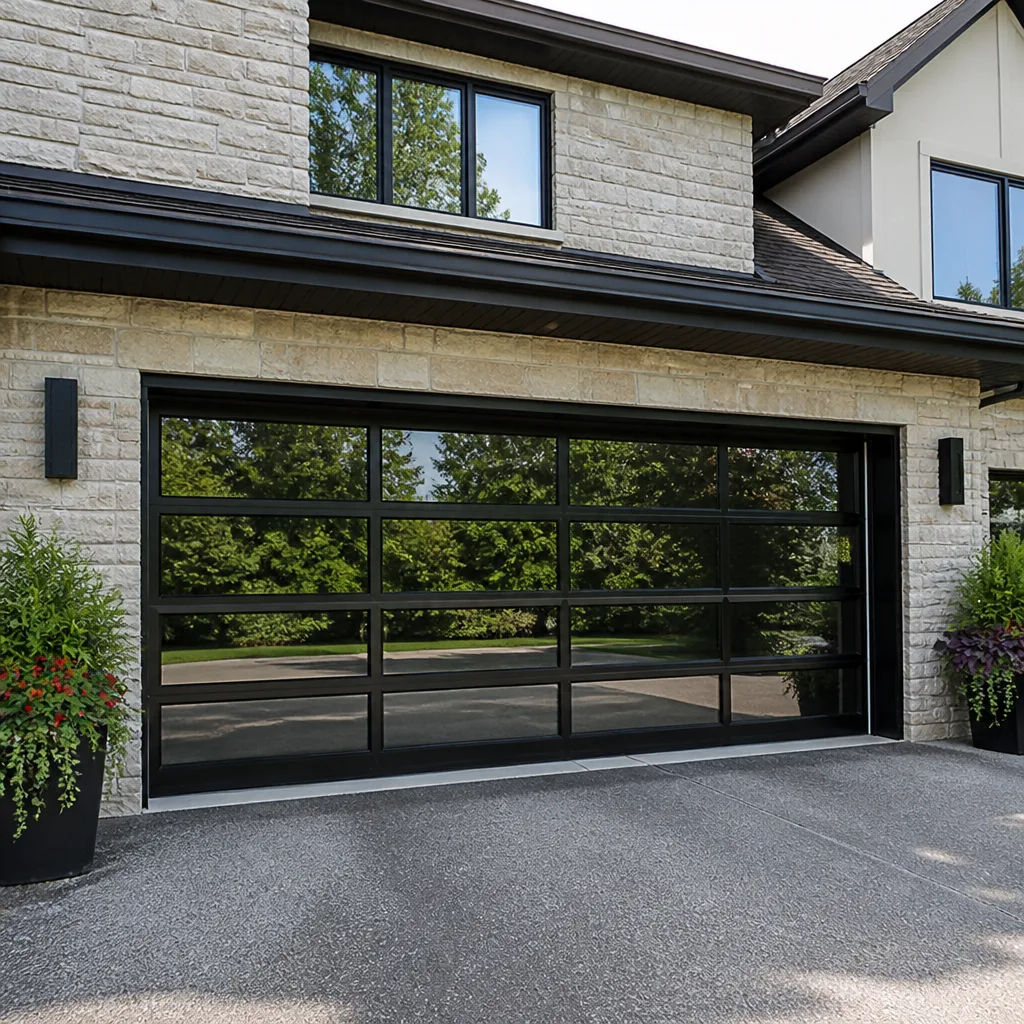 Full-view glass
 LiftMaster openers
 Chamberlain openers
Full 25-point door and opener safety check with every visit - springs, cables, rollers, tracks, and your LiftMaster or Chamberlain opener included
You get a price before we start. It does not change when the pro arrives.
Get your free estimateGarage Door Permits, Codes & Inspections in Sunnyside, NY: What You Need to Know
A garage door swap sounds like a simple home improvement job. In New York City, it can require a permit, trigger a fire separation inspection, and affect your certificate of occupancy – none of which will come up unless you ask the right questions first. The part that surprises most homeowners in Sunnyside isn’t the paperwork itself. It’s the timing. By the time a permit or a fire rating matters to anyone official, the door is already up and paid for, and the person who approved the project is long gone. This guide walks through when NYC’s garage provisions actually apply to door work, where the line sits between a like-for-like replacement and an alteration, how attached garages in Sunnyside rowhouses pull fire-rated assembly rules into the job, and how to check what’s already on record for your property before you order anything.
Quick Answer
In Sunnyside, NY, a garage door replacement may need a permit depending on whether your garage is attached, detached, or a converted space, and whether the work is a true like-for-like swap or a change to the opening, the door type, or a fire-rated assembly. Attached garages in Sunnyside rowhouses are the most likely to require a filing and an inspection, because the door can be part of a fire separation between the garage and the living space. Checking your property in the DOB NOW portal before you start is the single most useful step, and no reputable installer should be surprised when you ask about permits and fire ratings before signing anything.
Styles & brands we work with
- Raised-panel steel
- Carriage house
- Modern flush
- Full-view glass
- LiftMaster openers
- Chamberlain openers
Table of Contents
- When NYC Building Code Section BC 406 Applies to Garage Door Work
- Like-for-Like Replacement vs. Alteration: Why the Line Matters
- Attached Garages in Sunnyside Rowhouses and Fire-Rated Assemblies
- Detached and Converted Garages: The Less Obvious Cases
- Unpermitted Work at Sale or Refinance, and How to Remediate It
- How to Check DOB NOW Before You Start
- What a Garage Door Inspection Actually Looks At
- What Installation Day Looks Like When Permits Are Involved
When NYC Building Code Section BC 406 Applies to Garage Door Work
Section BC 406 of the NYC Building Code is the section that governs private garages and the separations between a garage and the rest of a building. It applies to your garage door project whenever the door is part of a rated assembly, whenever the work changes the opening itself, or whenever the garage is attached to a dwelling. It does not apply the way most people assume – a fresh door on a detached garage that changes nothing structural is a different scope from a door in a firewall between a garage and a kitchen.
What BC 406 asks of a homeowner, in plain terms:
- Know what your garage is classified as. Attached, detached, and converted garages are treated differently, and the classification determines whether the door is a building element, a rated element, or both.
- Understand that a rated door is not a cosmetic choice. If the door sits in a fire separation, the replacement door has to satisfy the rating, which limits material and construction options.
- File when the scope calls for a filing. Changing the opening size, converting a garage, or replacing a rated assembly is not the same as swapping one door for an identical one.
- Expect an inspection. Where a filing is required, an inspection of the installed work is part of closing it out.
- Keep the record. The approved filing and sign-off are what a future buyer’s attorney will ask for.
Here’s where we’ve learned to be careful with homeowners in Sunnyside: the code itself is not the hard part. The hard part is figuring out which category your specific garage falls into before anyone measures for a door. Our technicians have up to 14 years of experience and we’ve been pulled into enough of these conversations to know that the answer changes block by block in a neighborhood built this way. Nobody should be quoting you a door until that question is settled. If you’re already past that point and just need a repair, our garage door repair work is separate – but for a replacement, the classification comes first.
If you’re unsure whether BC 406 touches your job, the right move is a call to the NYC Department of Buildings or your local building department, not a guess from a contractor. We can tell you what we see in a garage. The DOB tells you what they require. Those are two different answers and only one of them protects you at closing.
Like-for-Like Replacement vs. Alteration: Why the Line Matters
A like-for-like replacement means a new door of the same size, same type, and same rating going into the same opening, with no change to the structure, the track layout, or the assembly. An alteration means something about the opening, the door type, the assembly, or the structure changes. In DOB terms, that line is usually the difference between a routine replacement and a job that needs a filing.
Where the line gets blurry, in our experience:
- Materials. Swapping a wood door for steel sounds cosmetic. If that door is in a rated assembly, it isn’t.
- Size. Widening an opening to fit a modern double door changes the framing and the header. That’s a structural change.
- Window inserts and glazing. They change the door’s rating and wind resistance characteristics.
- Track and spring configuration. Low-headroom conversions and high-lift track layouts change how the door operates inside the opening.
- Operators. Adding a new opener to a door that never had one is sometimes filed with the door, sometimes not, and the answer depends on the garage.
Why does it matter so much? Because in Sunnyside’s housing stock, the difference between “same door, new” and “new door, changed opening” is often a few inches and a sales conversation. A homeowner wants the wider door. The opening doesn’t want to be wider. The framing gets modified anyway, and nobody files. That’s the scenario that turns into a problem years later.
- Measure the existing opening before you shop for a door.
- Identify whether the existing door is part of a rated assembly.
- Decide whether the new door matches the old one in size, type, and rating.
- If it doesn’t match, ask the DOB whether the scope needs a filing before you order.
- Get the filing settled, then order the door.
We’d rather have this conversation with a homeowner before the order than after. When we quote a garage door installation, we need to know which side of the line your job is on, because a replacement that matches the old door is a very different project from one that reshapes the opening. Both are work we do. Only one tends to go smoothly if nobody asks first.
Attached Garages in Sunnyside Rowhouses and Fire-Rated Assemblies
Attached garages in Sunnyside rowhouses sit under or beside the living space in a way that makes the shared wall and the door between them more than just a wall and a door. Where a garage is attached to a dwelling, the separation between the two is treated as a fire separation, and any door in that separation is part of a rated assembly. That doesn’t mean every attached-garage door replacement needs a permit. It does mean the material choice stops being purely about looks.
What this means for door selection:
- Insulated steel doors are common for rated assemblies because they satisfy the rating without a custom build. We work on doors from Clopay and Amarr, among others, and both lines include rated models.
- Wood and wood-composite doors can satisfy a rating but usually need a specific assembly and hardware, not just a wood door with a fire label slapped on it.
- A rated door has to keep its rating after installation. That means the frame, the hardware, the self-closing mechanism if required, and the gap tolerances all matter. A beautiful door hung badly still fails inspection.
- Weather sealing is not a rating substitute. Gaps and broken seals around a rated door are the most common reason a close-out inspection fails.
The fire-rated door is also heavier than a standard door of the same size, which puts more load on the springs and the opener. If you’re upgrading a door to a rated one, expect the spring and opener sizing to change with it. That’s a conversation to have with whoever is handling the install, not something to discover the week after.
This is where Sunnyside’s housing style matters most. The rowhouse lots here don’t leave much room for a detached garage, so a lot of the garages we work on share a wall or a floor-ceiling assembly with the house. If your garage is one of them, treat the door as part of the house. Ask the DOB whether the door needs a filing, and don’t accept “we’ve done hundreds of these” as an answer. What’s true on one block in Sunnyside isn’t always true on the next.
Detached and Converted Garages: The Less Obvious Cases
Detached garages in Sunnyside tend to be simpler. If the door isn’t part of a rated assembly, the structural scope hasn’t changed, and the door is a like-for-like replacement, many replacements go in without a filing. The problems in this category show up in two other forms: a garage that has been converted into living space, and a garage whose use has drifted from what’s on the certificate of occupancy.
Converted garages are where we see the most confusion. A converted garage is no longer a garage in the eyes of the code, and if the homeowner ever wants to open it back up, the door, the opening, the fire separation, and the egress all have to be addressed. Sometimes the certificate of occupancy reflects the conversion. Often it doesn’t. That mismatch is not something a door installer can resolve, and it’s not something a homeowner should discover during a sale.
The questions to ask on a detached or converted garage:
- What does the certificate of occupancy say the space is? Garage, storage, or living space – the answer changes what the door needs to be.
- Is the door part of any fire separation? Usually no on a truly detached garage, but the space between a garage and a dwelling on a shared lot is not always truly detached.
- Has the opening been altered before? Prior unpermitted work is the thing to find before you add to it.
- Does the new door change the way the garage is used? If it does, that’s a use question for the DOB, not a door question.
One more thing worth saying plainly: a converted garage with a working door that never opens is not safer or simpler than one that does. People store things against the door, the springs sit loaded, and nobody thinks about them until somebody tries the door and something lets go. If you’re managing a converted or unused garage door in Sunnyside, at minimum have the springs and hardware inspected. Our team handles garage door opener repair and the full mechanical side of these doors, and it’s a shorter conversation than the compliance one.
Unpermitted Work at Sale or Refinance, and How to Remediate It
Unpermitted garage work tends to surface at two moments: when a buyer’s attorney runs a property search, and when a lender orders an appraisal on a refinance. What comes up is an open permit, a work-without-permit violation, or a door in the record that doesn’t match the door at the property. None of those are catastrophic. All of them put a hold on the transaction until they’re resolved.
How remediation usually works, in order:
- Pull the property record. Check DOB NOW for open permits, violations, and the latest certificate of occupancy on file. (Steps for that are in the next section.)
- Document what exists. Photograph the door, the opening, the track and spring assembly, and the surrounding structure. A clear record of what’s installed helps with everything that follows.
- Talk to the DOB about a legalization path. Depending on what was done, the path may be a new filing, a limited alteration application, or a correction of the record. The DOB decides which.
- Bring the installation up to the standard the filing requires. This is where a rated assembly gets verified, hardware gets corrected, and a door that was hung without a fire label may need to be replaced.
- Get the inspection and close out the filing. Keep the paperwork with the deed and the certificate of occupancy.
The part most homeowners don’t expect: legalizing an unpermitted door sometimes means replacing a door that was installed only a few years earlier, because the door in place doesn’t meet the rating the assembly requires. That is not a contractor inventing work. It’s the cost of having skipped the filing. The cheaper path is to ask the question before the door goes in.
If you’re in the middle of a sale and the buyer’s attorney has flagged a garage issue, the door itself usually isn’t the hard part. Getting an accurate picture of the mechanical condition is what we can help with. Call us, get the door inspected, and let your attorney and the DOB work the compliance side with a clear technical report in hand.
How to Check DOB NOW Before You Start
The DOB NOW portal is where New York City keeps permit filings, violations, and certificate of occupancy records. Anyone can search a property by address. Doing that search before you order a garage door is the cheapest five minutes of the whole project, and it’s the step almost nobody takes.
- Go to the DOB NOW public portal. It’s the city’s own site, and it’s free to search.
- Enter your property address. Search on the borough and block and lot if the address doesn’t return clean results – old addresses in Sunnyside sometimes don’t match the record exactly.
- Look for open permits. An open permit from years ago is a red flag. It may have been abandoned, it may reflect work that was never inspected, and either way it needs to be resolved before you add to the record.
- Check for violations. Work-without-permit violations and other open items show up here. Any open violation is worth clearing before you file anything new.
- Pull the certificate of occupancy. Confirm whether the space is listed as a garage, storage, or living space. This is the document that determines whether you’re replacing a garage door or something else.
- Check the prior permits for the property. If a garage alteration was permitted before, you can see what was filed. That tells you what the DOB already considers the assembly to be.
- Save what you find. Screenshot or download the record. You’ll want it for the install quote and, later, for the sale.
What to do with what you find: if the record is clean and the garage is genuinely a garage on the certificate of occupancy, your job is likely a like-for-like replacement or a simple repair. If there’s an open permit or a violation, fix that before you order a door. If the certificate of occupancy lists the space as living space, you may not need a garage door at all – you may need a different conversation entirely.
We’re happy to be part of that conversation. Sunnyside Garage Door Repair Pros works on nearly every major brand, and we’ve been brought into properties mid-sale to give a technical read on the door while the attorneys worked the record side. What we won’t do is tell you the permit question is nothing. It isn’t.
What a Garage Door Inspection Actually Looks At
A garage door inspection, whether it’s part of a permit close-out or a pre-purchase check, looks at the whole system rather than the door panel. The panel is the least interesting part. The structure around it, the moving parts behind it, and the safety devices on it are what determine whether the door is going to work and whether it’s going to be safe.
What gets checked, in our experience:
- The opening and framing. Level and plumb, with no rot or deflection. A door in a twisted opening will not operate correctly no matter how well it’s hung.
- The rated assembly, where one applies. Fire labels present, gaps within tolerance, self-closing hardware functioning, and no unprotected openings in the separation.
- Springs and cables. Age, condition, and sizing relative to the door’s weight. A heavier rated door on undersized springs is a failure waiting to happen.
- Tracks and rollers. Alignment, wear, and the correct configuration for the door’s height and headroom.
- The opener and its safety devices. Reversal on obstruction, force settings, and the mounting of the unit itself. Openers from LiftMaster, Chamberlain, Genie, and Craftsman all have slightly different safety features, and we check each one to spec.
- Weather seal and thresholds. Not a rating substitute, but a real factor in how the door performs in Sunnyside’s damp winters and warm, humid summers.
- The paperwork, where a filing exists. The inspection isn’t finished until the filing is closed out.
Springs get their own paragraph, and here’s why: garage door springs are under extreme tension. This is one repair that genuinely should not be DIY. An inspection that looks at the spring and the cable without a trained eye and the right winding tools is an inspection of the wrong thing. Our spring work is done by technicians who have up to 14 years of experience with high-tension components, and that’s not a marketing point – it’s the reason we don’t hand homeowners the job.
What Installation Day Looks Like When Permits Are Involved
Permits don’t make installation slow. Waiting to find out whether you need one does. When the filing question is settled before the door is ordered, installation day looks a lot like any other installation day. When it isn’t, you can end up with a door on site, an open permit that doesn’t match the scope, and an inspection that fails on hardware that should have been specified correctly from the start.
A realistic sequence:
- Determine the scope. Like-for-like, or alteration. This is a document review, not a door review.
- Confirm whether a filing is required. Ask the DOB directly, or have your installer do it with you. Don’t guess.
- Specify the door to the assembly. If it’s a rated assembly, the door, the hardware, and the closing mechanism all have to match. This is where brand matters less than specification.
- File, if required, and wait for approval. Nothing gets ordered until the filing is approved for a permitted job.
- Measure and order. Specific measurements, specific door, specific hardware. This is the step where a wrong material choice becomes expensive.
- Installation day. Removal, framing if needed, track and spring installation, door hang, opener mounting if applicable, balance and safety testing.
- Inspection, if required. The inspector looks at the installed work against the filed scope. Close-out comes after.
What a homeowner should absolutely not accept on an installation day is a door that goes up before anyone has answered the filing question. If the door is on site and the installer is asking “did you check on a permit?”, that conversation should have happened weeks earlier. We handle full installations and we expect the permit question to be on the table before we quote. If a company tells you the permit doesn’t matter, ask them to say that in writing.
One more clarification since it comes up often: the door in the garage helps protect the house, but a permit is about the code, not the security of the home. A door that works well and a door that’s on record are two different things. Both matter. Neither substitutes for the other.
For the mechanical side of the installation – the opener, the springs, the balance – nothing changes with a permit. If your door is failing rather than being replaced, that’s an urgent call, and we treat it that way. If your door won’t move, that’s not a next-week problem. Emergency service exists for exactly this. Call us and we’ll set up dispatch. For scheduled installs and full replacements, we’d rather book the measure and the filing conversation and get it right.
Common Mistakes to Avoid
- Ordering a door before checking the certificate of occupancy. If the space is listed as living space rather than a garage, the entire project changes. Start with the record, not the door catalog.
- Treating a rated door as a cosmetic choice. In attached-garage Sunnyside rowhouses, the door may be part of a fire separation, and a wood door with a nice finish isn’t automatically a compliant one. Confirm the assembly requirements before you choose the material.
- Assuming a like-for-like replacement needs nothing. Sometimes it does need a filing, sometimes it doesn’t, and the answer depends on the garage. “We’ve done this hundreds of times” is not the answer.
- Skipping the DOB NOW search. Open permits and violations from previous owners show up on the record and cause real problems at closing. The search is free. Do it before you order.
- Letting a contractor guess about the filing. A contractor who tells you a permit doesn’t matter without asking the DOB is a risk to the future sale. Get the answer from the DOB, and get it before the door is on site.
- Over-tightening the spring and calling it a tune-up. High-tension springs and cables are the one part of this system that no homeowner should touch. Springs under tension can cause serious injury. Trained technicians with the right winding tools are the entire reason that work is safe.
- Ignoring an opener’s safety features during installation. Reversal on obstruction and force settings have to be verified after a new door goes in. A beautiful install with a mis-set opener is still a hazard.
See the difference
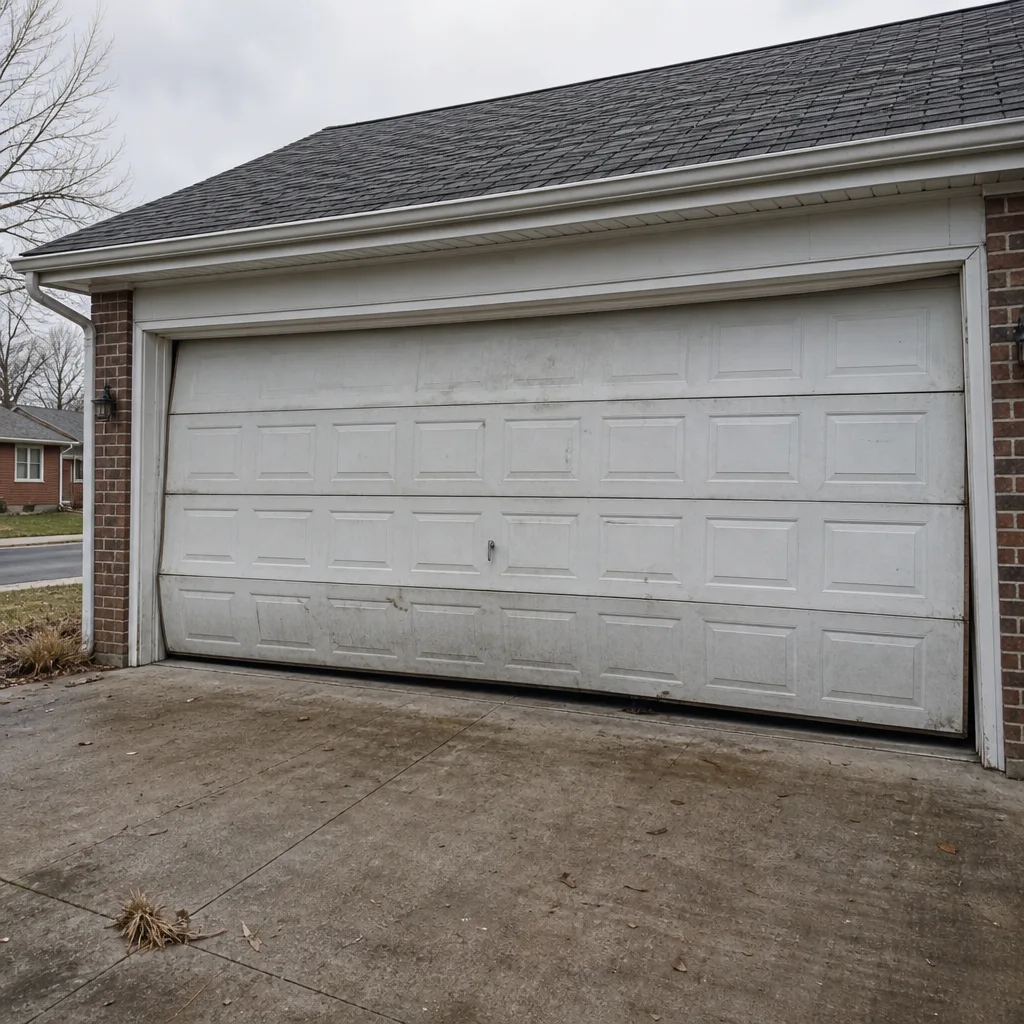 Before
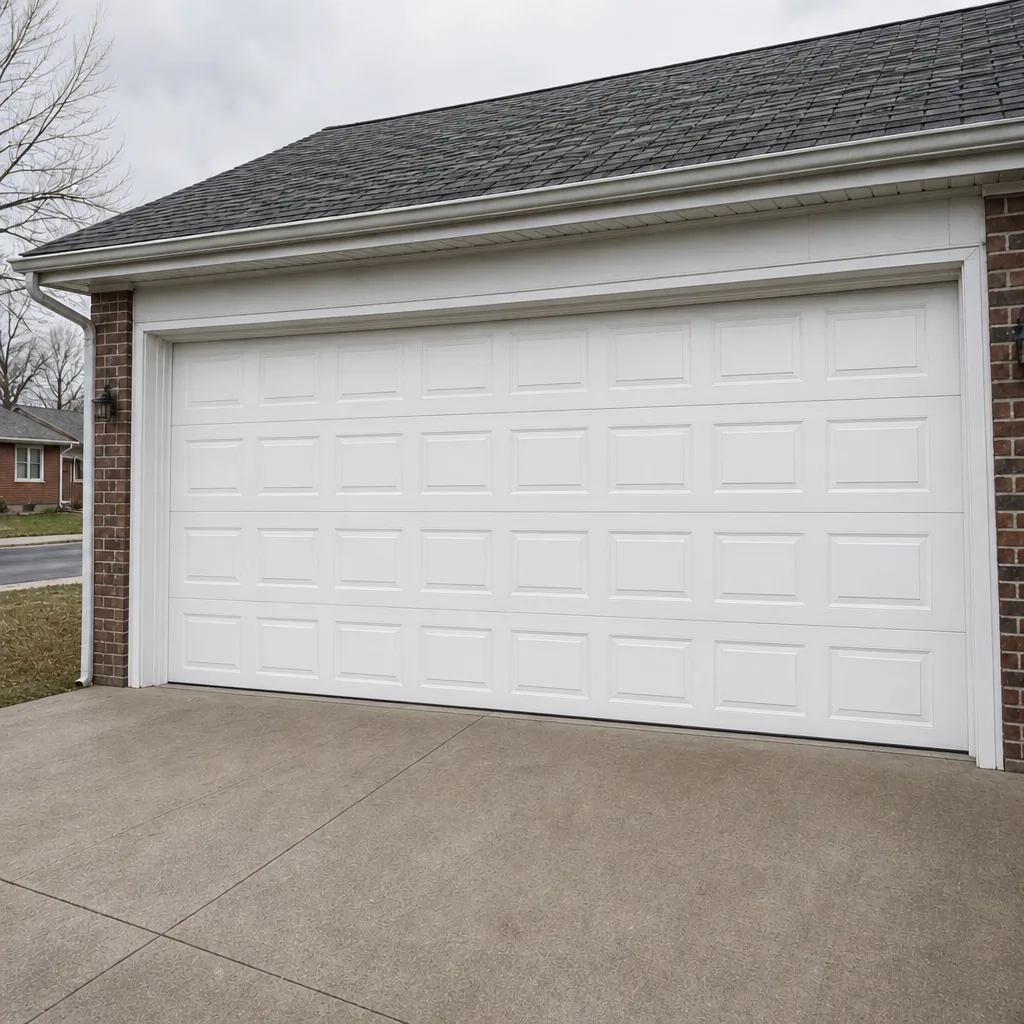 After
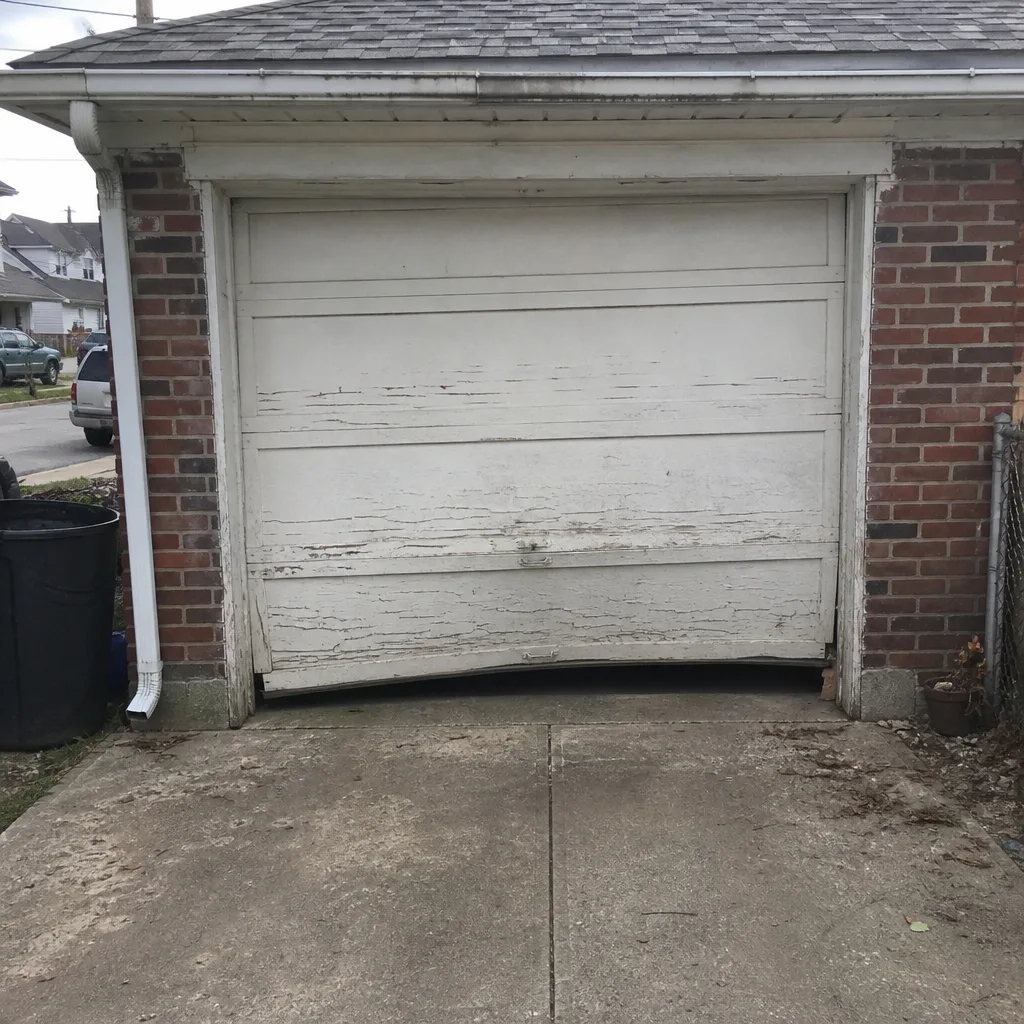 Before
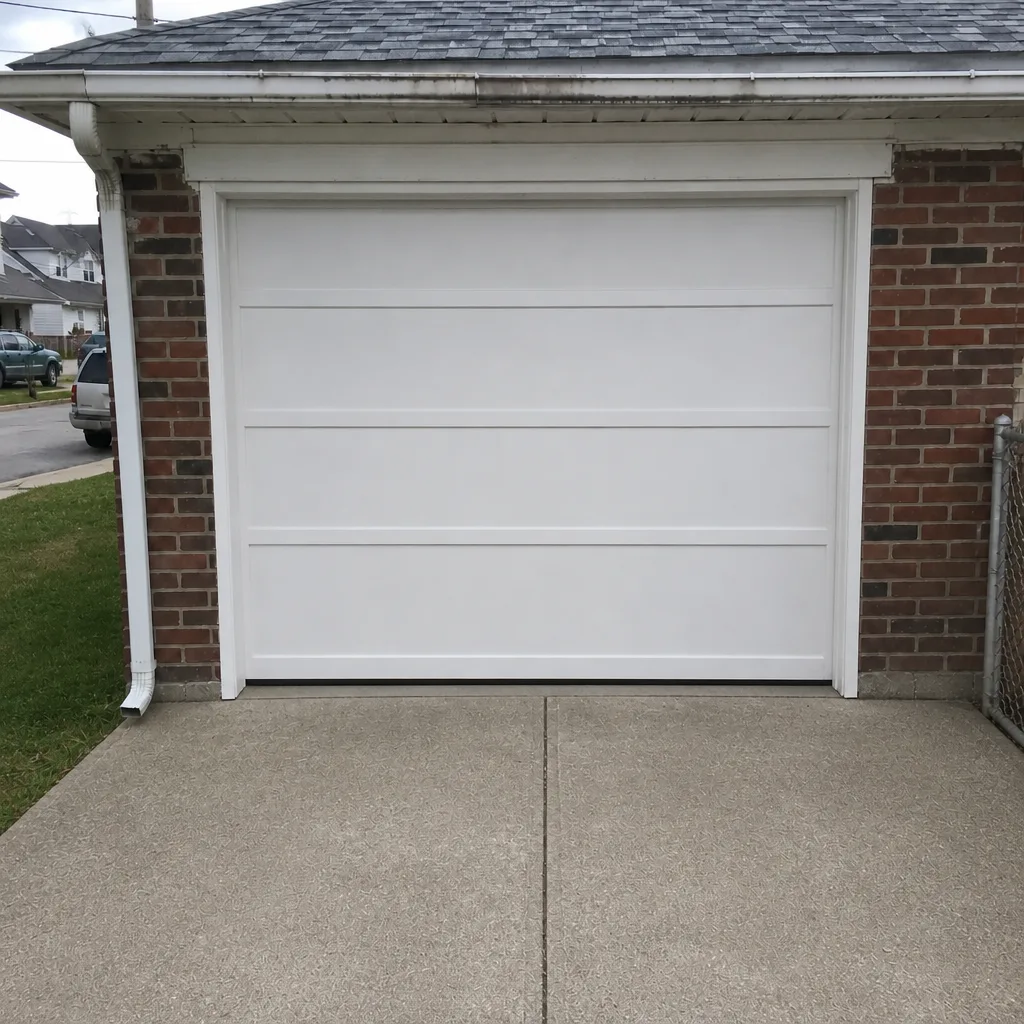 After
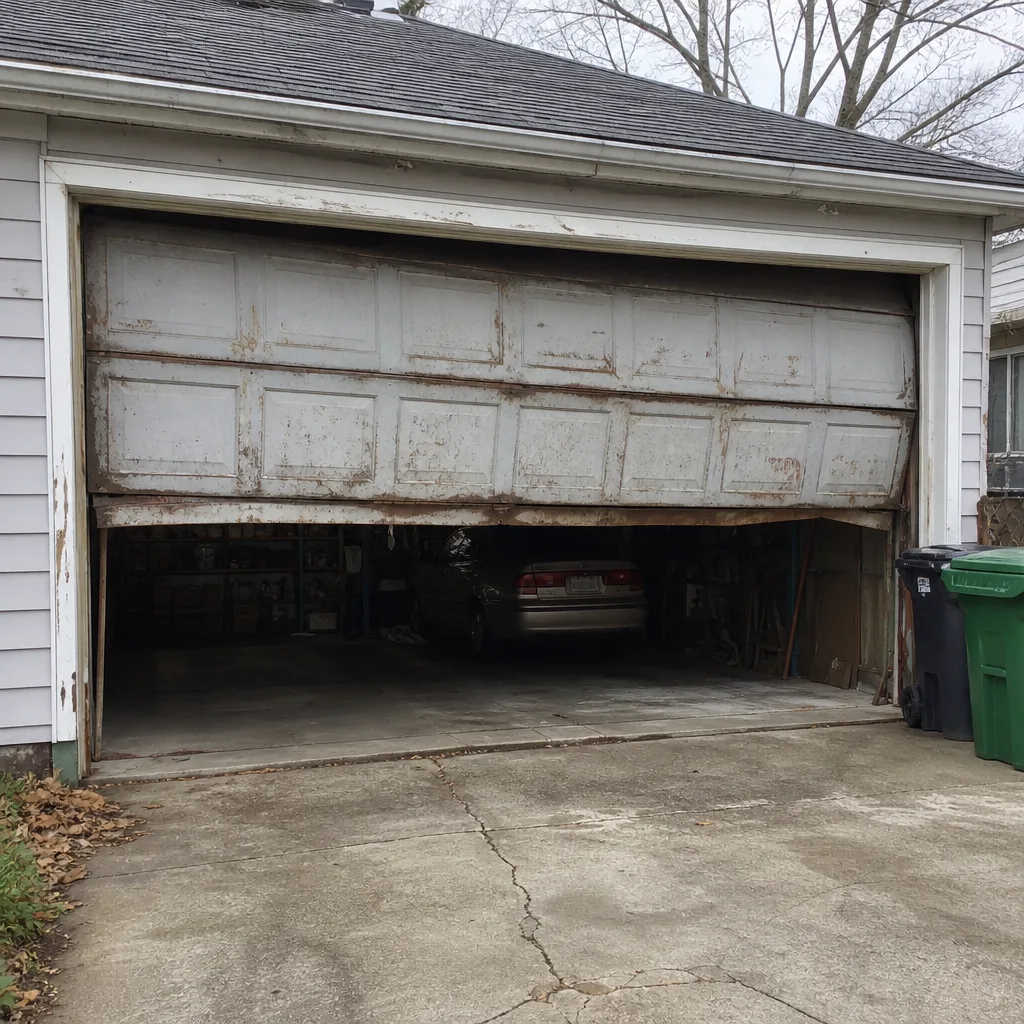 Before
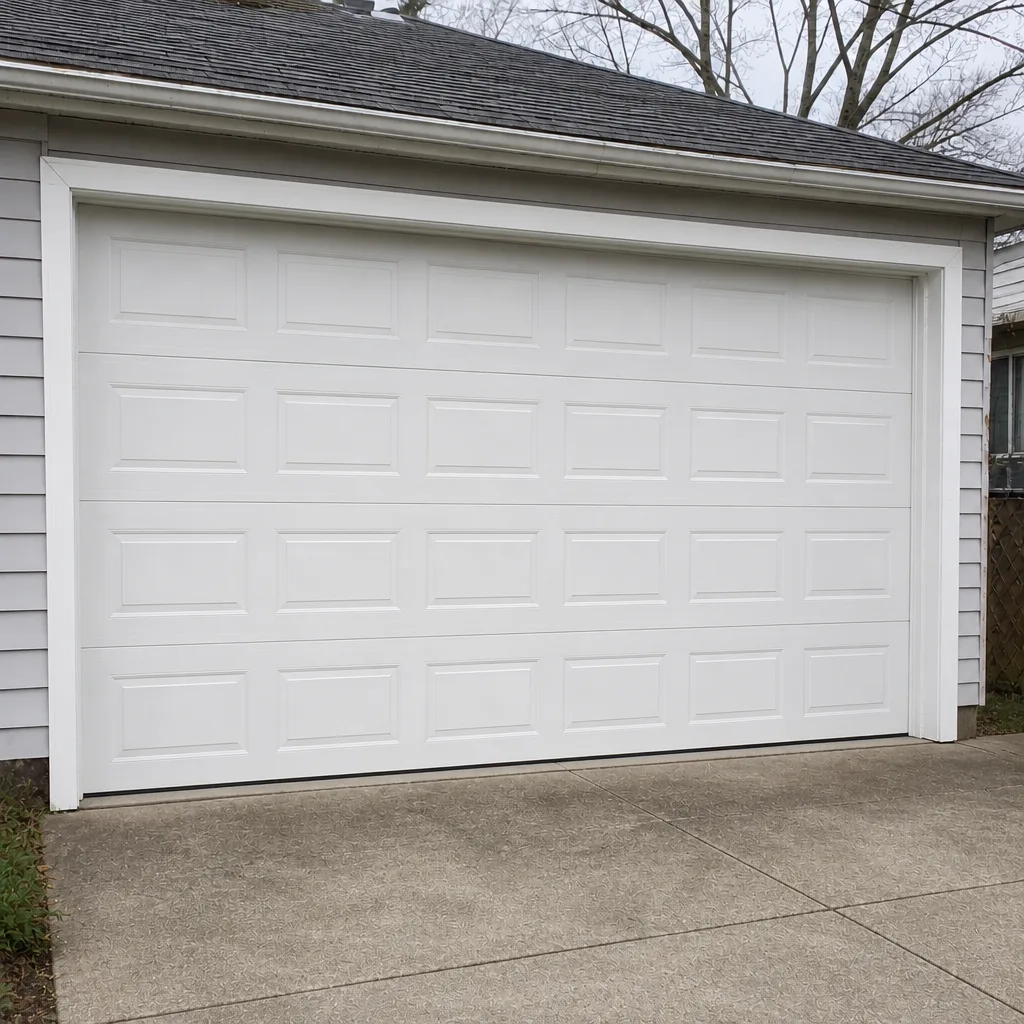 After
When to Call a Professional
The permit and code questions on this page are things you can research. The door in front of you is a different matter. Call a professional when a door comes down hard, when a spring snaps, when the door is off its track, when the opener grinds or reverses on nothing, or when you’re ready to replace the door and want the filing conversation settled by someone who does this for a living. Call when the door is part of a rated assembly and you need to know what material will actually satisfy the rating. Call when you’re in the middle of a sale and a buyer’s attorney has questions you can’t answer from the record alone. We repair first. Replacement is only recommended when repair no longer makes sense for you, and we’re equipped across eight major brands – LiftMaster, Chamberlain, Genie, Clopay, Amarr, Wayne Dalton, Craftsman, and Raynor – so you’re not stuck waiting for a brand-specific dealer. Sunnyside Garage Door Repair Pros offers free estimates in Sunnyside – call (833) 918-8419. We answer 24/7. Fast dispatch from 7am to 7pm, Sunday through Friday.
Frequently Asked Questions
It depends on the garage and the scope. A like-for-like replacement on a detached garage often doesn’t need a filing, while a replacement on an attached garage in a Sunnyside rowhouse, or any change to the opening, door type, or rated assembly, may require one. Check your property record in DOB NOW and ask the NYC Department of Buildings directly before you order. Call (833) 918-8419 for a free estimate once the scope is clear.
Section BC 406 of the NYC Building Code governs private garages and the fire separations between a garage and the rest of the building. It applies to your garage door work whenever the door sits in a rated assembly, whenever the opening itself changes, or when the garage is attached to a dwelling. If your Sunnyside garage shares a wall or floor-ceiling assembly with the house, treat the door as part of the house and ask the DOB. Call (833) 918-8419 to have the door inspected.
A like-for-like replacement means a new door of the same size, type, and rating going into the same opening with no structural change. An alteration means the opening, the door type, the assembly, or the surrounding structure changes. That line usually determines whether a DOB filing is required. If you’re unsure which side your project falls on, that’s the question to settle before ordering. Call (833) 918-8419 for an assessment.
Use the DOB NOW public portal and search by your property address; if the address doesn’t return clean results, search by borough, block, and lot. Look for open permits from previous owners, work-without-permit violations, and the certificate of occupancy to confirm the garage’s listed use. Save the record for your install quote and for the future sale. Call (833) 918-8419 if the record turns up something that affects the door.
It can put the transaction on hold. A buyer’s attorney or a lender’s appraiser will pull the property record, and an open permit, a work-without-permit violation, or a door that doesn’t match the record will surface. Remediation usually means a new filing with the DOB, bringing the installation up to the required standard, and closing out the inspection. Photos and a clear technical record of the existing door help the process. Call (833) 918-8419 if you need the door inspected before a closing.
We handle the door itself, the springs, the tracks, the opener, and the installation, including verification of opener safety devices after a new door goes in. The DOB filing and inspection are handled with the city, and we work alongside the homeowner on the scope that the filing requires. Our technicians have up to 14 years of experience across eight major brands, so we’re not learning your system on the job. Call (833) 918-8419 for a free estimate.
The Bottom Line
Garage door permits in Sunnyside come down to three things: what your garage is classified as, whether the door is part of a rated assembly, and whether your project is a like-for-like replacement or an alteration. Get those answered before you order, check DOB NOW before you start, and don’t accept a contractor’s guess about the filing. The door itself is the easy part. The record is what protects you at closing. If you need a free estimate or an inspection to work through the scope, call Sunnyside Garage Door Repair Pros at (833) 918-8419. We answer 24/7. Fast dispatch from 7am to 7pm, Sunday through Friday.
Written by the team at Sunnyside Garage Door Repair Pros.