
Last updated November 21, 2026
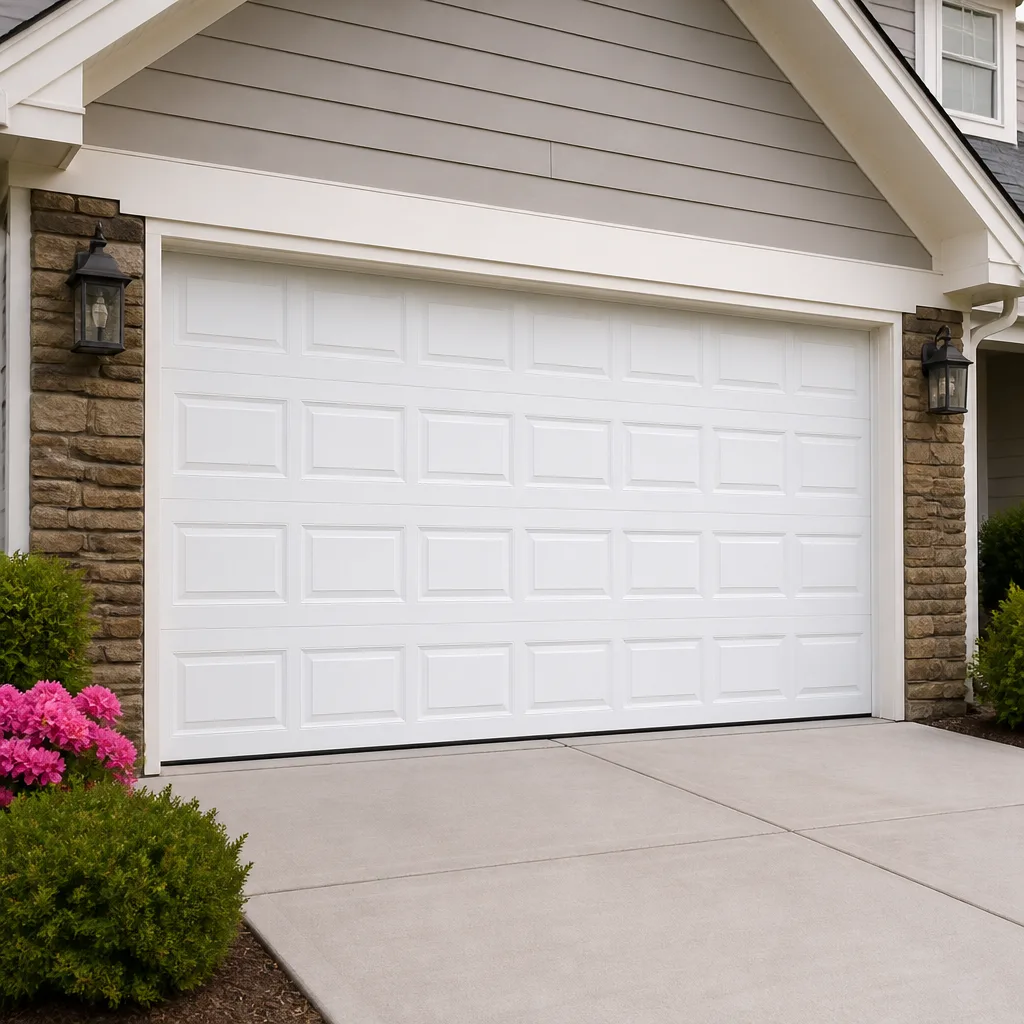 Raised-panel steel
 Carriage house
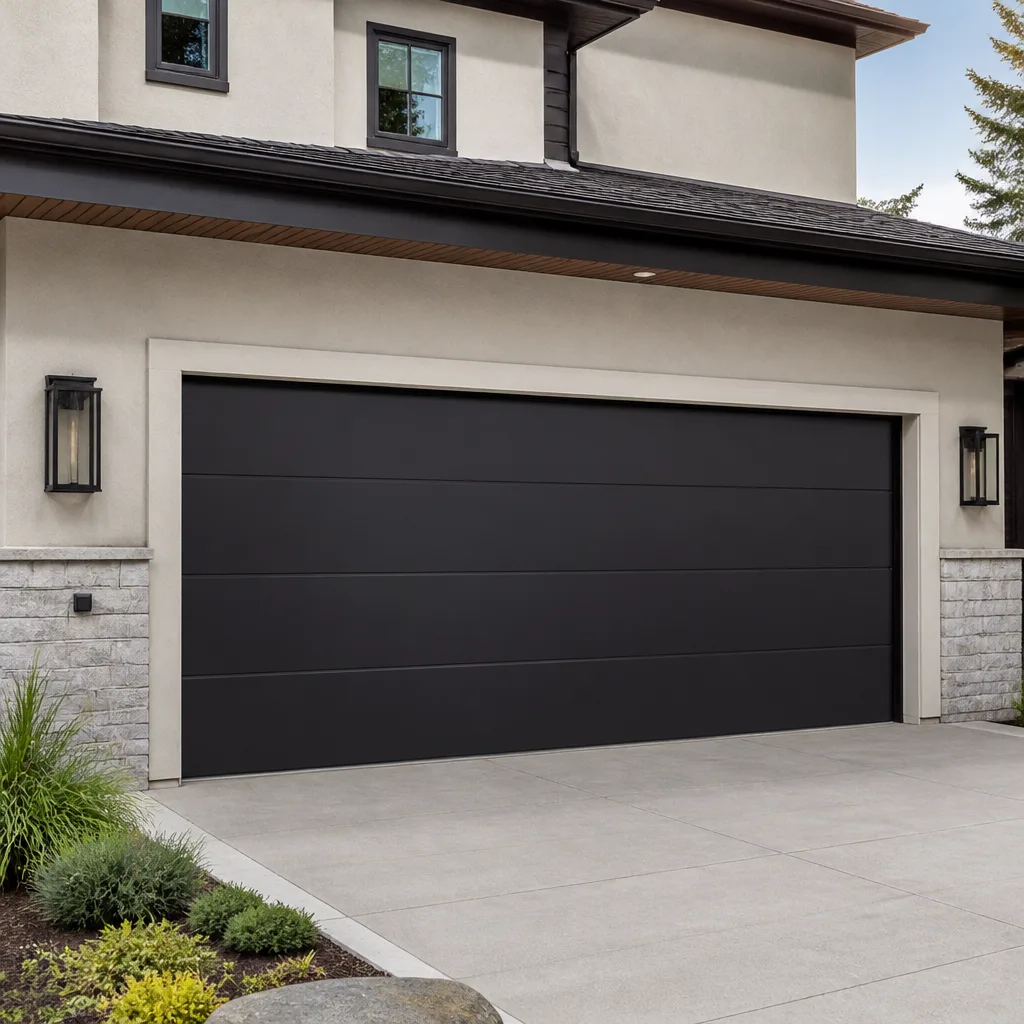 Modern flush
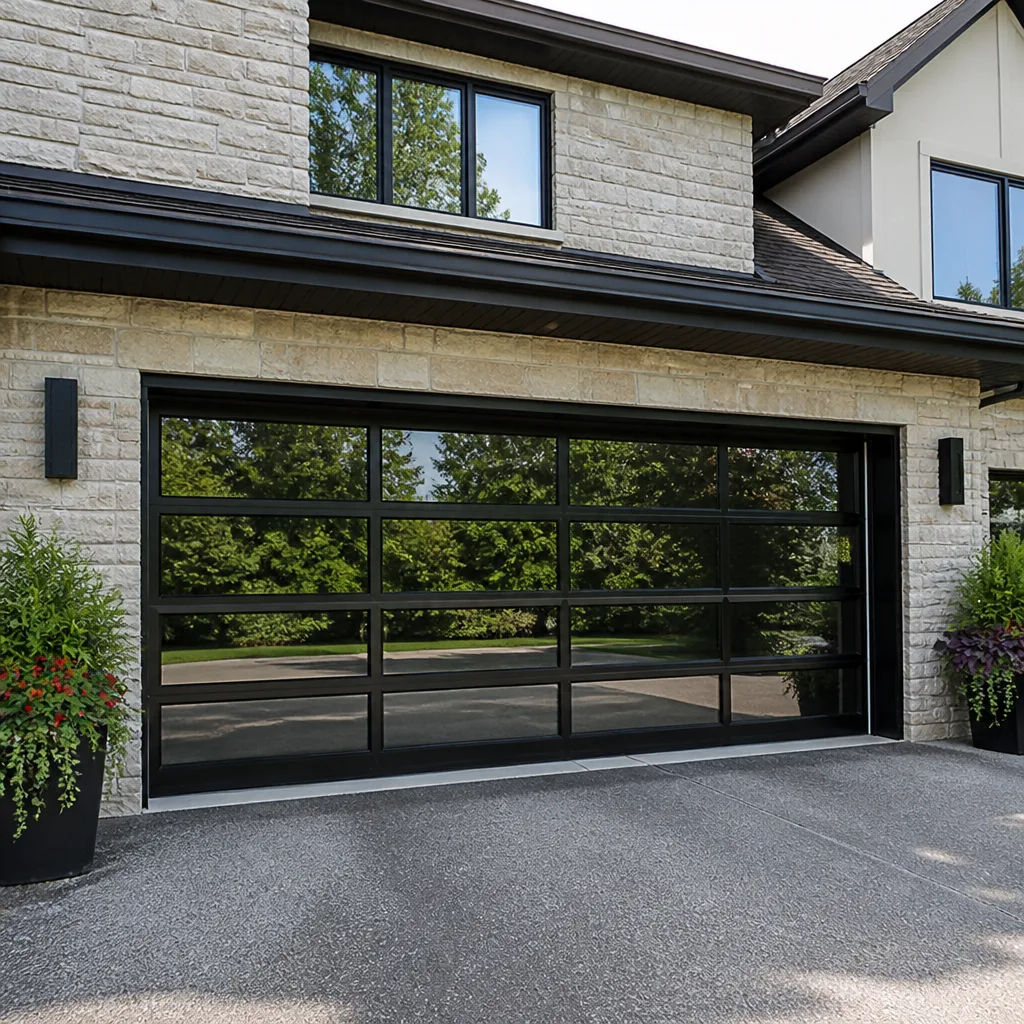 Full-view glass
 LiftMaster openers
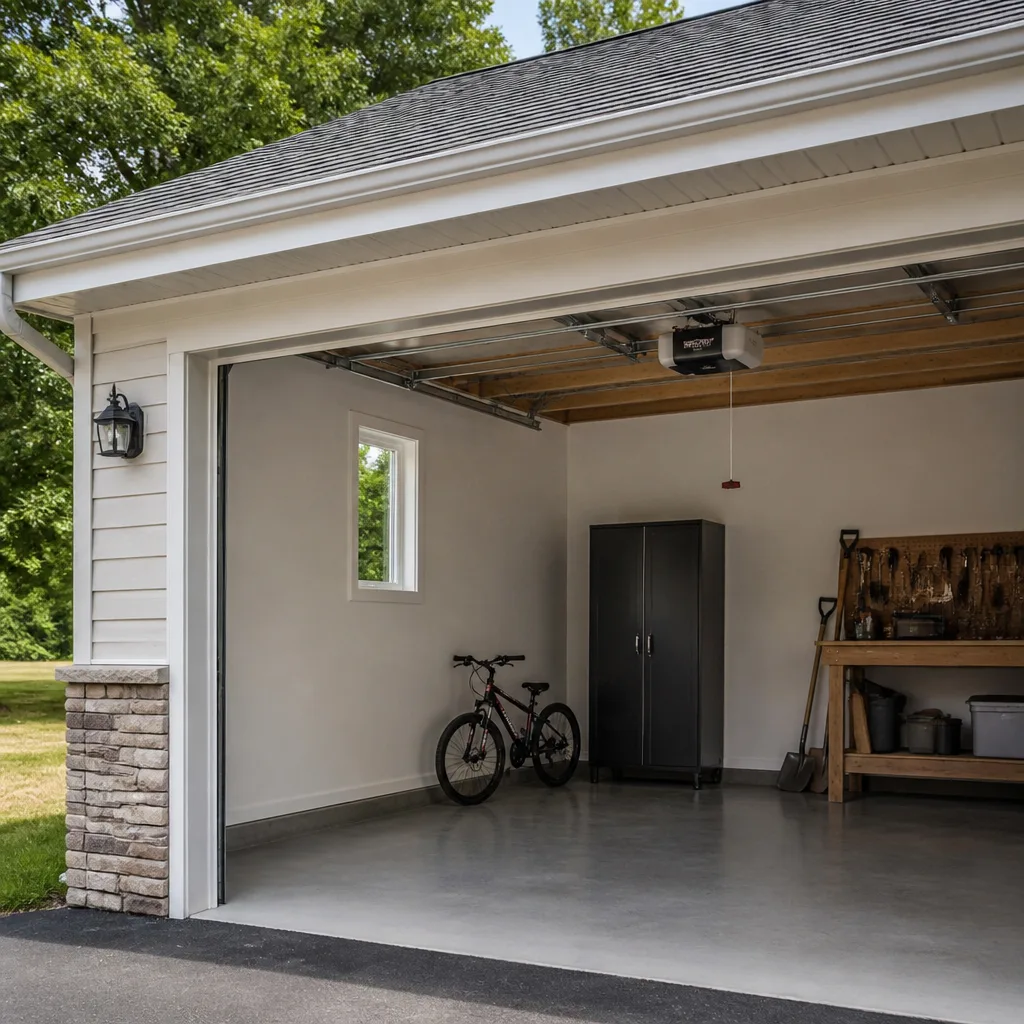 Chamberlain openers
Full 25-point door and opener safety check with every visit - springs, cables, rollers, tracks, and your LiftMaster or Chamberlain opener included
You get a price before we start. It does not change when the pro arrives.
Get your free estimateGarage Door Warning Signs: A Sunnyside Homeowner’s Reference Guide
Most garage door failures in Sunnyside don’t happen without warning. They announce themselves first as a grind, a shudder, a door that hesitates for half a second before it moves. The trouble is that homeowners hear these sounds for months and file them under “normal.” The grinding noise your door makes when it’s cold isn’t the door warming up. It’s metal wearing against metal because a component is misaligned, and every cycle it makes that noise is quietly shortening the life of your opener. This guide is built to help you read those signals early, sort the harmless from the hazardous, and know exactly when a Sunnyside garage door needs a trained eye on it.
Quick Answer
The main garage door warning signs are unusual noises (grinding, snapping, popping), a door that moves unevenly or reverses on its own, visible sagging or gaps at the panels, and springs that look stretched or have a visible gap in the coil. Any sign involving a broken spring, a door off its track, or a door stuck halfway is a safety hazard that needs same-day professional attention. Sounds and slow movement are usually earlier, cheaper warnings that can wait for a scheduled visit – but only if you act on them.
Styles & brands we work with
- Raised-panel steel
- Carriage house
- Modern flush
- Full-view glass
- LiftMaster openers
- Chamberlain openers
Table of Contents
- What Your Door’s Noises Are Telling You
- Visual Warning Signs Homeowners Explain Away
- How to Tell an Opener Problem From a Door Problem
- Safety Hazards vs. Issues That Can Wait
- The Pattern That Precedes a Door Stuck Halfway
- A Simple Monthly Check You Can Do Safely
- How Sunnyside Weather Speeds Up Wear
- Why Brand Matters Less Than Diagnosis
What Your Door’s Noises Are Telling You
A garage door is a system of moving parts, and every part fails with its own sound. Learning to distinguish them is the single most useful skill a homeowner can develop, because sounds show up weeks or months before a breakdown. Here’s what the most common noises usually point to.
- Grinding or scraping: Metal rubbing against metal. Often a misaligned track, worn rollers, or a torsion tube that’s shifted. Left alone, this noise transfers stress to the opener motor.
- Loud snapping or a bang like a gunshot: Almost always a torsion spring breaking. This is a same-day call – do not run the door again.
- Popping or creaking during travel: Usually dry hinges, loose fasteners, or rollers that have flat-spotted. Lubrication and a hardware check resolve most of these.
- Rattling that gets worse over weeks: Loose section hardware or a bracket working free. Easy to tighten early, expensive if a bracket tears out of a panel.
- Humming with no movement: The opener motor is running but the door isn’t. That points to a stripped gear, a broken drive belt or chain, or a disengaged trolley – an opener problem, not a door problem.
- A dull thud at the end of travel: The door is hitting its limit too hard. The travel limits need adjustment, and the impact is stressing the panels and hinges.
In our experience, the grinding sound is the one homeowners wait longest on. It’s easy to dismiss because the door still opens. But that noise is friction, and friction wears out rollers, hinges, and eventually the opener’s drive system. A sound-based check costs far less than the parts it destroys when ignored. If you’ve been hearing the same noise for months, that’s the moment to book a service visit rather than wait for it to become a garage door repair emergency.
Visual Warning Signs Homeowners Explain Away
Sight is the sense most homeowners under-use on their garage door. A door is a heavy moving structure under constant tension, and the early failures show up visually before they show up as a breakdown. Here’s what to look at and what each sign actually means.
- A visible gap in a torsion spring coil. A healthy spring is one continuous coil. A gap of an inch or more means the spring is broken or about to be. Never touch it – torsion springs are under extreme tension and this is one repair that genuinely should not be DIY.
- A door that sags on one side. One side hanging lower than the other means the lift cables or springs are uneven. This puts the whole door out of balance and forces the opener to work harder.
- Cables that look frayed, kinked, or slack. Lift cables are also under high tension. Fraying or slack means the cable is failing and could snap – a same-day safety issue.
- Gaps between panels or a visible bow. Panels that separate or a door that bows outward indicate impact damage or a structural problem with hinges and tracks.
- Rollers that look cracked, flat-spotted, or worn down. Worn rollers cause the grinding and popping sounds above and put extra load on the tracks.
- Rust streaks along the bottom section or track. In Sunnyside, the wet winters and humid summers accelerate corrosion on steel panels and hardware. Rust is cosmetic at first and structural later.
- A door that looks out of square when closed. The gap along the bottom or side of a closed door should be even. Uneven means the tracks or the door structure has shifted.
These are the signs homeowners rationalize most: “it’s always been a little uneven,” “the spring has looked like that for a while.” In our experience, that “little while” is exactly the window before a spring lets go. If you see any of these, a quick inspection is worth far more than waiting for the door to fail in the middle of a school run.
How to Tell an Opener Problem From a Door Problem
This is the question we get most often on the phone, and you can usually answer it yourself without touching any hardware. The trick is to listen to whether the motor is running and watch whether the door is moving – those two facts narrow the problem down fast.
Run through this simple decision sequence:
- Press the button. Listen for the motor.
- Motor hums but the door doesn’t move: The opener is trying to work, so the problem is usually in the opener’s drive – a stripped gear, a broken belt or chain, or a trolley that has come loose. This is an opener repair, and you won’t need to touch the door itself.
- No sound at all: Check the wall outlet and the breaker first. If those are fine, the opener unit itself may have failed, or the safety sensors may be misaligned or blocked. A sensor issue is common and easily diagnosed – look for a blinking light on the opener housing.
- Motor runs smoothly but the door moves unevenly, slowly, or reverses: The opener is likely fine, and the door is the problem. That’s a mechanical issue: springs, cables, rollers, or tracks.
- Door reverses for no obvious reason: Most often a safety sensor problem, but if the sensors check out, a binding door can trigger the opener’s force limit and cause it to reverse. That’s a door problem behind an opener symptom.
Notice the pattern: if the opener motor is working, the problem is usually in the door’s mechanical system, and if the motor is silent or struggling, it’s usually the opener. Understanding which side of the system you’re on tells you what kind of service to ask for. If the motor is the culprit, garage door opener repair is the right call, and the technician should be able to test the unit and confirm the diagnosis before recommending anything beyond repair.
In Sunnyside, we see a mix of older opener units and newer smart units, and the diagnosis logic is the same for both. The brand is secondary; the behavior is what tells the story.
Safety Hazards vs. Issues That Can Wait
Not every warning sign is an emergency, and treating every noise like one leads to unnecessary panic – while ignoring the real ones leads to injury or property damage. Here’s how to sort them with confidence.
Same-day attention required:
- A broken torsion spring (visible gap in the coil, or a loud snap followed by a door that won’t lift).
- A door off its track or halfway up and crooked.
- A frayed or slack lift cable.
- A door that has reversed onto an obstruction or fallen, or one that won’t stay closed.
- A door that reverses unexpectedly as it’s coming down – that’s a safety reverse failure, and the door should not be operated.
- Any opener failure that leaves the garage open or the car trapped.
Can be scheduled for a standard visit:
- Grinding, popping, or creaking noises that don’t stop the door working.
- A door that’s a little slow but operates consistently.
- Worn rollers or loose hardware that haven’t caused a failure.
- Remote or keypad issues when the wall button still works.
- Cosmetic rust or weatherstripping that needs replacing.
If your door won’t move, that’s not a next-week problem. Emergency service exists for exactly this, and in Sunnyside, spring and off-track failures are the two most common reasons a homeowner needs a technician the same day. If you’re not sure which category you’re in, the safe answer is to call and describe what you’re seeing – the diagnosis over the phone is usually quick.
The Pattern That Precedes a Door Stuck Halfway
The most common emergency call we get in Sunnyside is a door stuck halfway up. It’s also the most predictable. Almost every stuck-halfway call is preceded by a recognizable pattern of warning signs, and if you catch the pattern early, you can usually avoid the emergency altogether.
The typical sequence goes like this:
- Weeks earlier: a grinding or popping noise appears, often only in cold weather, and disappears once the door has run a few cycles.
- Days later: the door starts to hesitate slightly at the start of its travel, or to lurch at one particular point.
- A few more days: the door slows at the midpoint, or reverses without an obvious obstruction.
- The failure: a spring or cable gives out while the door is partway up, leaving it hanging crooked and stuck.
What’s happening in that sequence is a component – usually a spring or a cable – losing tension gradually. The door gets heavier. The opener tries harder. The hesitation becomes a lurch, and then the component fails. In our experience, most stuck-halfway calls happen on a door that was making noise for weeks, and the homeowner had chalked it up to “just one of those things.”
A door stuck halfway is a hazard. It’s heavy, unbalanced, and under tension. Do not try to force it down or up, and don’t keep cycling the opener hoping it will catch – that can snap a cable or drop the door. Keep people and vehicles clear of it and call for emergency service. This is one of the clearest cases where addressing the early signs turns a safety incident into a routine repair. If you recognize the pattern above, get ahead of it now rather than waiting for the failure.
A Simple Monthly Check You Can Do Safely
Five minutes a month keeps most Sunnyside garage doors out of the emergency category. The check below uses no tools beyond your eyes, ears, and the opener button, and it’s deliberately designed to keep you away from the high-tension parts.
- Look before you run it. With the door closed, look at both springs, both cables, and the bottom seal. Look for gaps in the spring coils, frayed or slack cables, and any sagging.
- Listen as it opens. Stand clear and cycle the door once. Note any grinding, popping, or scraping. If you hear a snap followed by a door that won’t move, stop and call – don’t retry the button.
- Check the balance test. Disconnect the opener (use the manual release only when the door is fully closed), lift the door halfway by hand, and let go. A properly balanced door stays put. If it drops or rises on its own, the springs are out of balance – reconnect the opener and book a service visit.
- Test the safety reverse. Place a small object in the door’s path while it’s closing and confirm the door reverses. If it doesn’t, stop using the door and call.
- Wipe and check the hardware. Look at the rollers and hinges for rust or wear, and lubricate the moving parts as recommended by the door manufacturer. Never lubricate the tracks or the springs themselves.
- Check the weatherstripping. A worn bottom seal lets water and cold air in and adds stress to the door itself. Replacing it is a cheap early fix.
What you shouldn’t do is adjust springs, tighten cables, or try to realign tracks yourself. Torsion springs and lift cables are under extreme tension and genuinely should not be DIY. A trained technician has the tools and the protocol to work on them safely.
How Sunnyside Weather Speeds Up Wear
Sunnyside’s climate is hard on garage doors, and understanding why helps you interpret the warning signs. Two things are working against your door: the wet, freezing winters, and the muggy summers.
In winter, metal contracts. Springs, tracks, and cables that were fine at 70 degrees can misalign or tighten just enough to cause a grind or a pop. This is why so many Sunnyside homeowners hear the noise “only when it’s cold” and then assume it’s seasonal. It isn’t. Cold simply makes an existing wear problem audible, and the fact that the door runs again once it warms up doesn’t mean the misalignment has gone away – it means the friction has stopped being audible.
Winter also means water. Snowmelt and road grit get tracked into the tracks and onto the rollers, where the grit acts like sandpaper on the hardware. Rust starts at the bottom section and the track before it spreads to hinges and springs. In our experience, the range of a Sunnyside door’s hardware lifespan comes down less to brand than to how much grit and moisture it saw over the winter.
Summer brings heat and humidity. Wooden sections swell, metal sections expand, and the door that fit perfectly in spring may start binding against its frame in July. Humidity speeds corrosion on any unprotected steel. The result is that a Sunnyside door can show a new warning sign in each season, and the same noise in July that you ignored in February may be a different component failing.
The practical takeaway is that you should do the monthly check with more frequency at the start of each season – early fall before the cold sets in, and early spring after it. Catching a seasonal wear issue early is the difference between a lubrication and adjustment job and a spring replacement.
Why Brand Matters Less Than Diagnosis
Homeowners often open with the brand of their door or opener – “it’s a LiftMaster,” “it’s a Wayne Dalton” – as if that determines who can work on it. It doesn’t, and one of the reasons we work on nearly every major brand is so you’re not stuck waiting for a brand-specific dealer to fit you in.
The warning signs in this guide are the same for a Craftsman opener and a Raynor door, and a LiftMaster from a decade ago and one from last year. A grinding noise is a grinding noise. A door that sags on one side has the same problem regardless of the label on the panel. What matters for diagnosis is the behavior of the system, not the badge on the housing. Once we know the behavior, matching it to the right component is straightforward across the brands we’re trained on – LiftMaster, Chamberlain, Genie, Clopay, Amarr, Wayne Dalton, Craftsman, and Raynor.
What brand does affect is part availability for a future replacement. If your door is aging, and the warning signs are piling up, it’s worth knowing your options for a garage door installation before the failure forces a rushed decision. For repair, though, the focus is always on the component: we repair first, and replacement is only recommended when repair no longer makes sense for you.
The multi-brand approach also means you’re not bounced between contractors when the problem turns out to be electronics rather than mechanics. A single point of contact for the entire system – from the mechanical parts to the opener electronics – is the straightforward way to handle a failure that doesn’t cleanly belong to one part.
Common Mistakes to Avoid
- Retrying the opener after a loud snap. That snap is usually a torsion spring breaking, and running the door again can cause a cable to snap or the door to fall. Stop, keep everyone clear, and call a technician.
- Treating the cold-weather grind as seasonal. Cold weather makes a wear problem audible. The friction is doing damage whether or not you can hear it in July, so address it rather than wait for the thaw.
- Ignoring a door that reverses on its own. A door that reverses without an obstruction is a safety failure. In Sunnyside, where garages often open onto the house, this one is worth taking seriously.
- Assuming noise means replacement. Most noises are worn rollers, loose hardware, or a lubrication issue – all repairs, not replacements. Get a diagnosis before you start budgeting for a new door.
- Trying to adjust springs or tighten cables yourself. Springs and lift cables are under extreme tension. This is one repair that genuinely should not be DIY, and the risk of injury is real.
- Letting rust spread on the bottom section and track. Sunnyside’s wet winters and humid summers mean rust is a live issue every year. Catch it early, before it reaches the hinges and springs.
- Waiting for the door to get stuck halfway before calling. The hesitation and lurch can precede a full failure by weeks. Call when you first notice it, not after it breaks.
See the difference
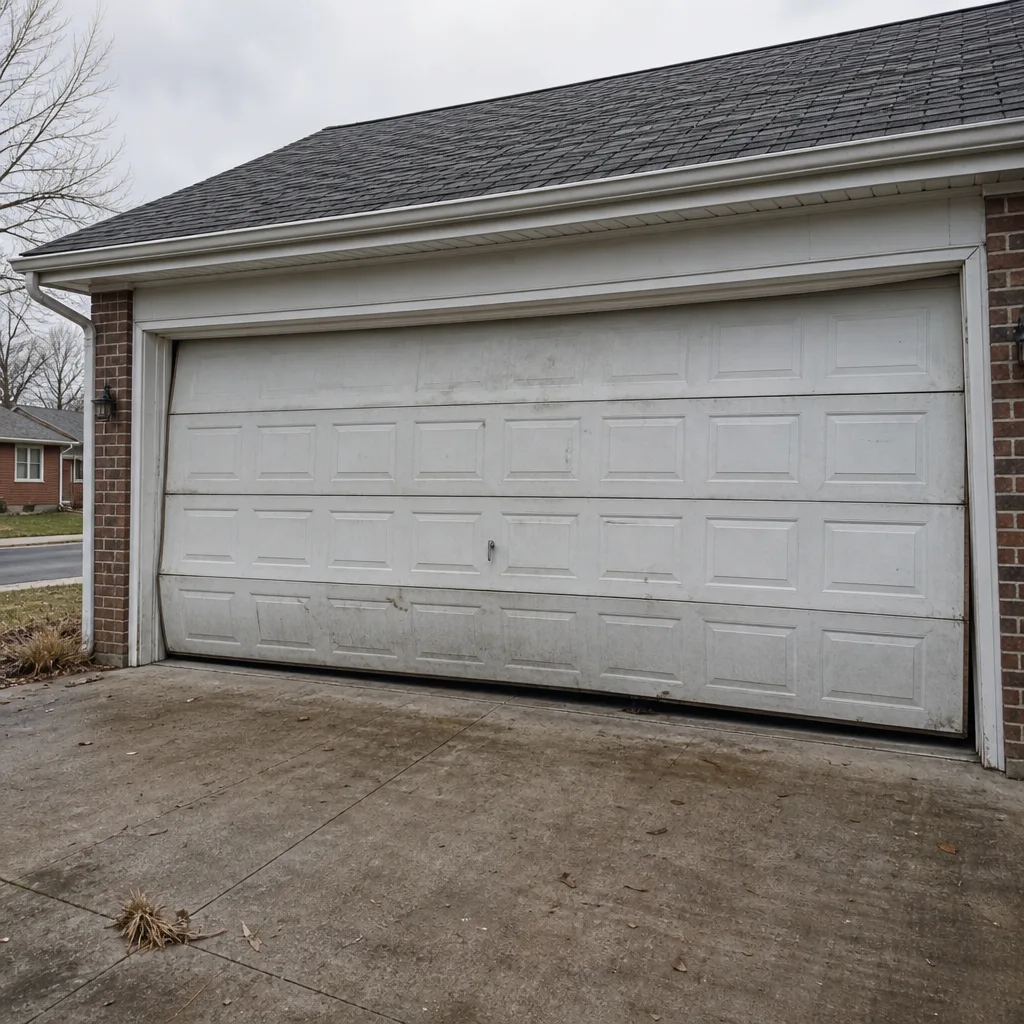 Before
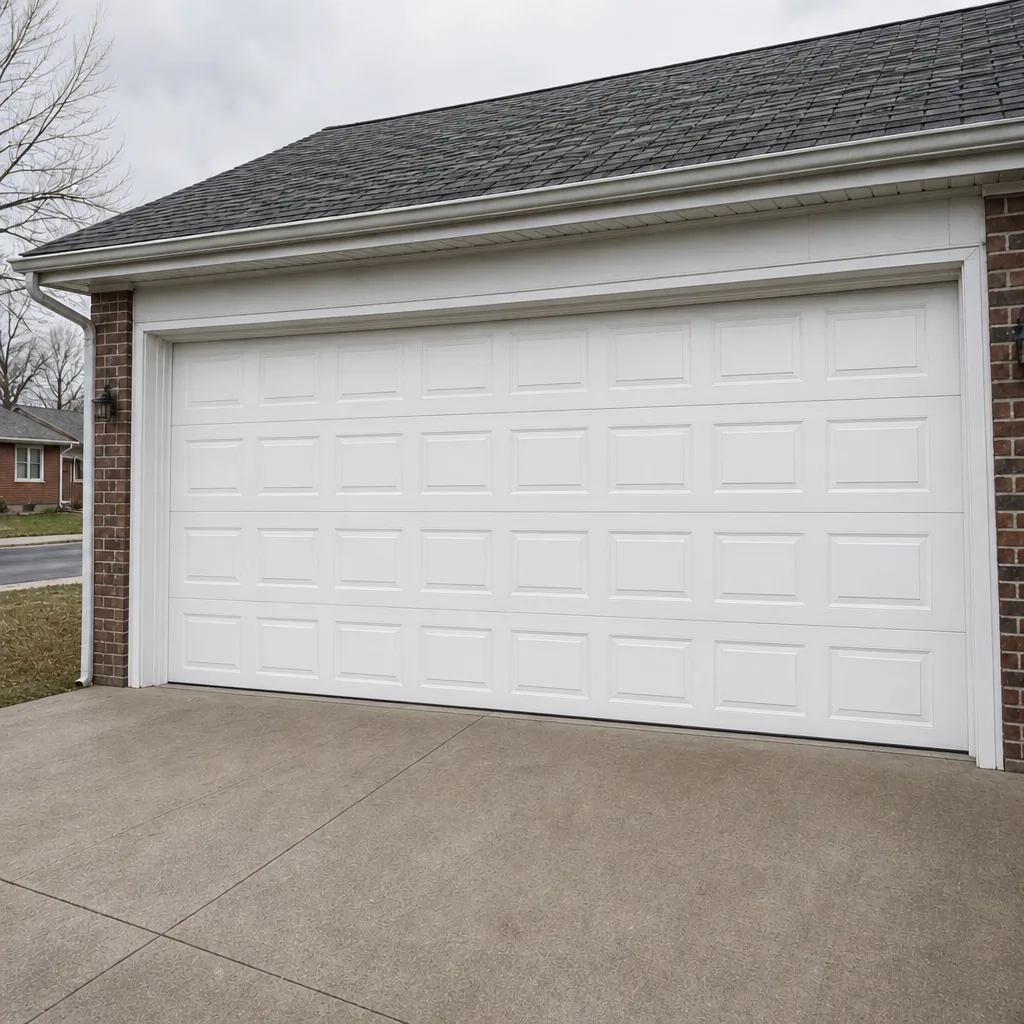 After
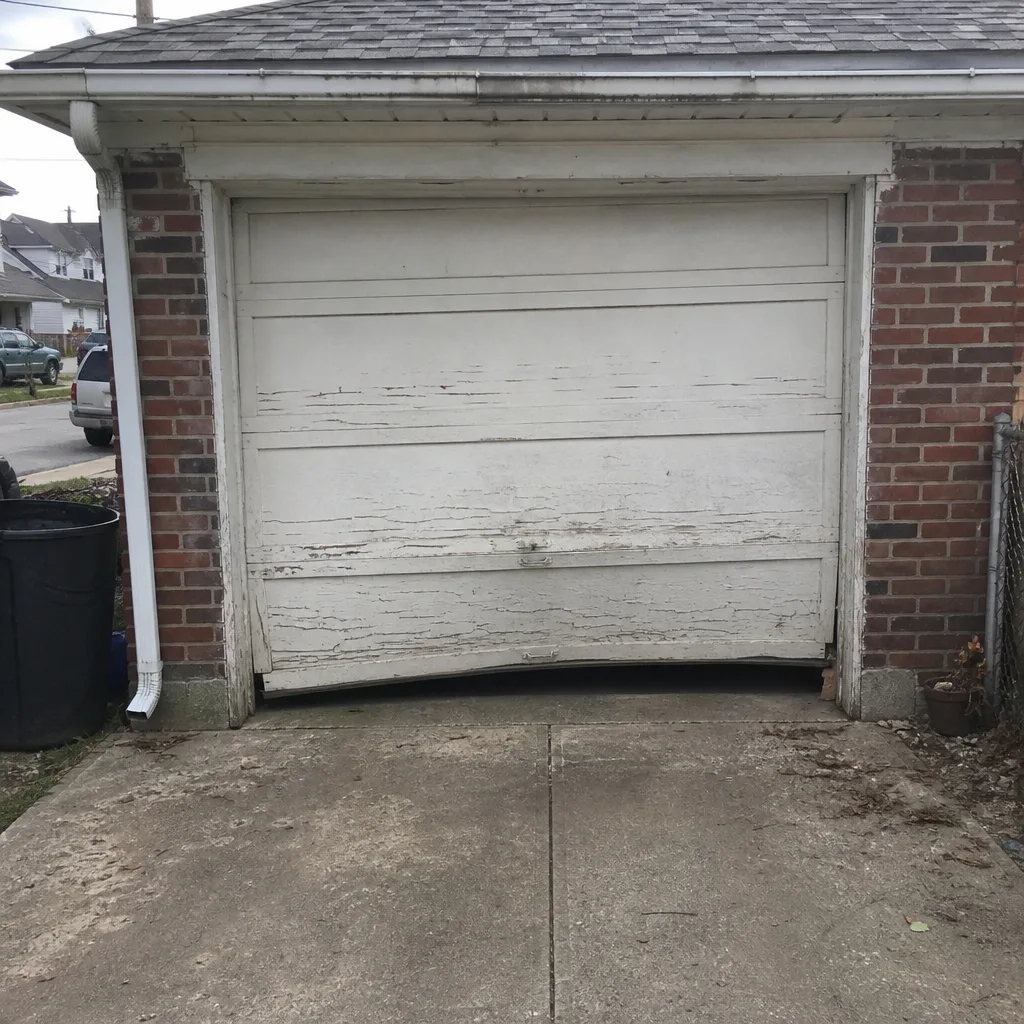 Before
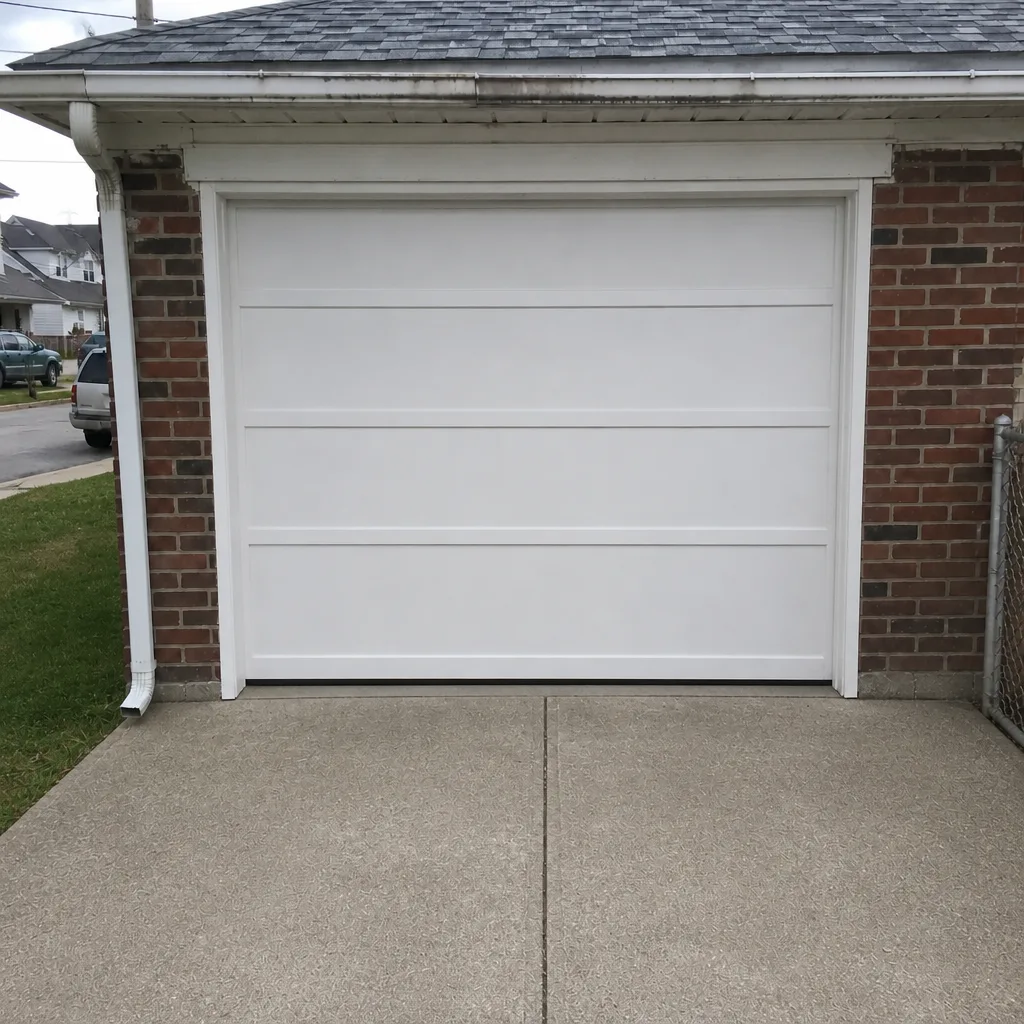 After
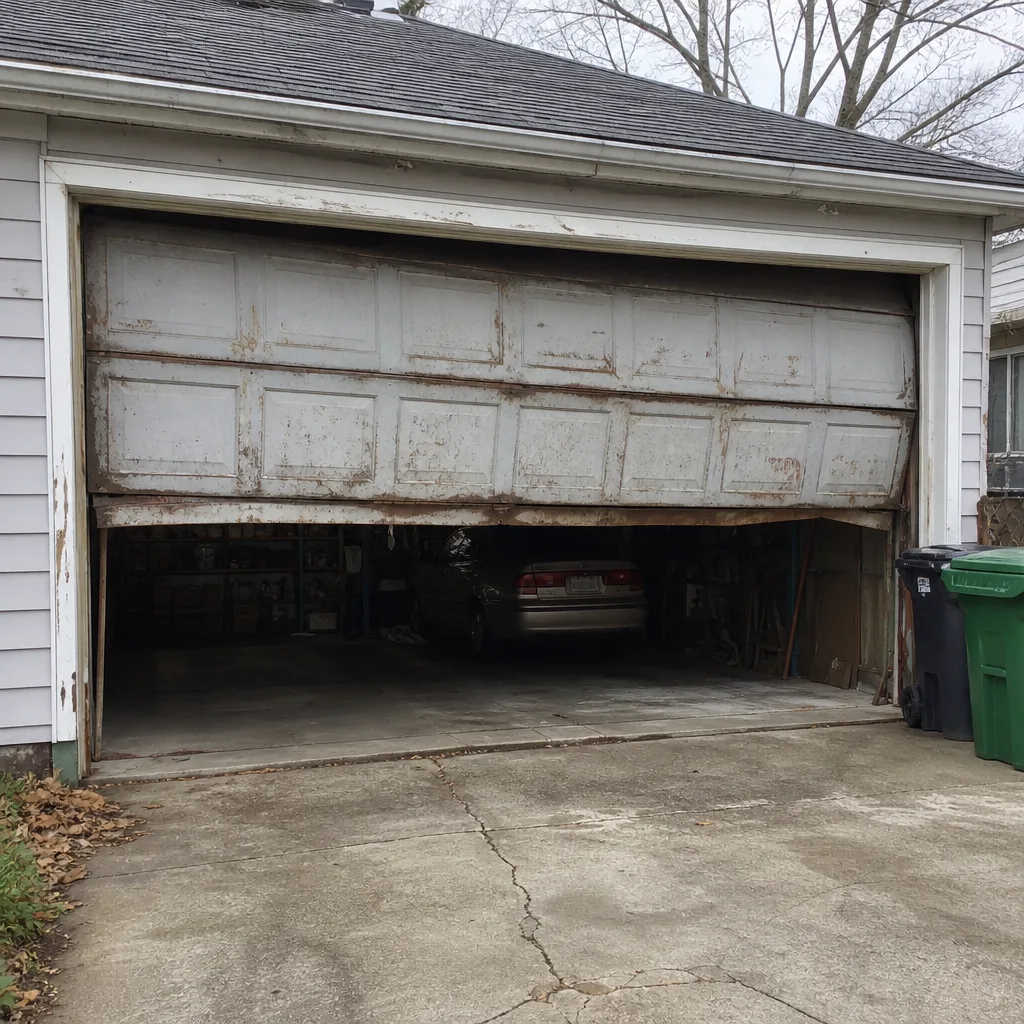 Before
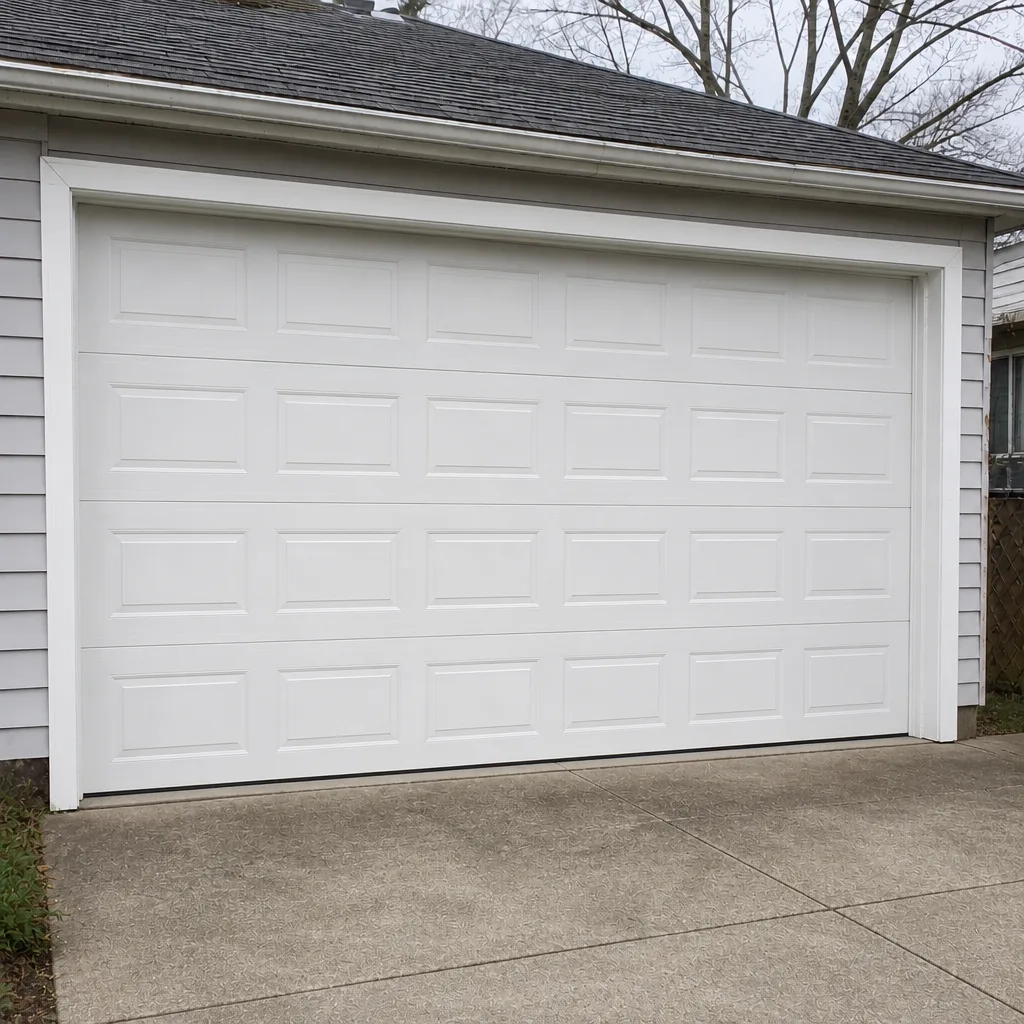 After
When to Call a Professional
Call a professional the moment you see or hear any of the following: a broken spring or a gap in the coil, a frayed or slack cable, a door off its track, a door stuck or crooked, a door that fails its safety reverse test, or an opener that hums without moving the door. Any of these are beyond safe homeowner territory. For the slower signs – grinding, popping, uneven movement, worn rollers, seasonal rust – a scheduled visit is the right call, and sooner is cheaper than later. Sunnyside Garage Door Repair Pros offers free estimates in Sunnyside and works on nearly every major brand, so you’re not stuck waiting for a brand-specific dealer. Call (833) 918-8419. We answer 24/7. Fast dispatch from 7am to 7pm, Sunday through Friday. The price is set per job by the written estimate, agreed before any work starts, so you know what you’re paying before a technician touches the door. Our technicians have up to 14 years of experience.
Frequently Asked Questions
The first warning sign is usually a noise – a grinding, popping, or scraping sound that appears before the door stops working. It’s often most noticeable in cold weather and can disappear once the door runs a few cycles, but it’s telling you a component is wearing. Call (833) 918-8419 for a free estimate on what’s causing it.
Sounds and slow movement can usually wait for a scheduled visit, but a broken spring, an off-track door, a stuck door, or a door that fails its safety reverse test needs same-day attention. The dividing line is whether the door is still safe and operational. If you’re unsure, describe what you’re seeing when you call and we’ll help you sort it.
A grinding door is usually not immediately dangerous, but it’s a sign of metal-on-metal wear that will eventually affect the springs or the opener. It’s worth a scheduled visit rather than an emergency call, but don’t let it run for months. Call (833) 918-8419 for a free estimate.
If the opener motor runs but the door doesn’t move, it’s usually an opener problem; if the motor runs smoothly and the door moves unevenly or reverses, it’s usually a door problem. You can identify which side you’re on by listening for the motor and watching the door. From there, the right service is clear: garage door opener repair for the motor side, garage door repair for the mechanical side.
No. The price is set per job by the written estimate, and it’s agreed before any work starts. What you’re quoted is what you pay, and the estimate itself is free. Call (833) 918-8419 to book one.
The local professionals we connect you with are licensed and insured as their state requires. Our technicians have up to 14 years of experience and are trained across the major garage door brands. Call (833) 918-8419 with any questions before you book.
The Bottom Line
Garage door failures are rarely sudden. They build up through sounds you explain away, slow movements you stop noticing, and small visual signs you rationalize for months. In Sunnyside, the wet winters and humid summers speed that process up, which makes a monthly five-minute check worth far more than it takes. The safest habits are simple: listen for noise, look for gaps and sagging, trust the balance and safety reverse tests, and never touch springs or cables yourself. If a sign is a safety hazard, call the same day. If it’s a sound or a slowdown, book a visit rather than wait for it to become an emergency. That approach is the difference between a repair and a replacement.
Sunnyside Garage Door Repair Pros handles the full range – from a grinding opener to a full door replacement, one call covers it. We work on nearly every major brand, so you’re not stuck waiting for a brand-specific dealer. At Sunnyside Garage Door Repair Pros, the focus is on diagnosis first and repair before replacement. Call (833) 918-8419 for a free estimate. We answer 24/7. Fast dispatch from 7am to 7pm, Sunday through Friday, with same-day service available for safety-critical failures.
Written by the team at Sunnyside Garage Door Repair Pros.