
Last updated November 21, 2026
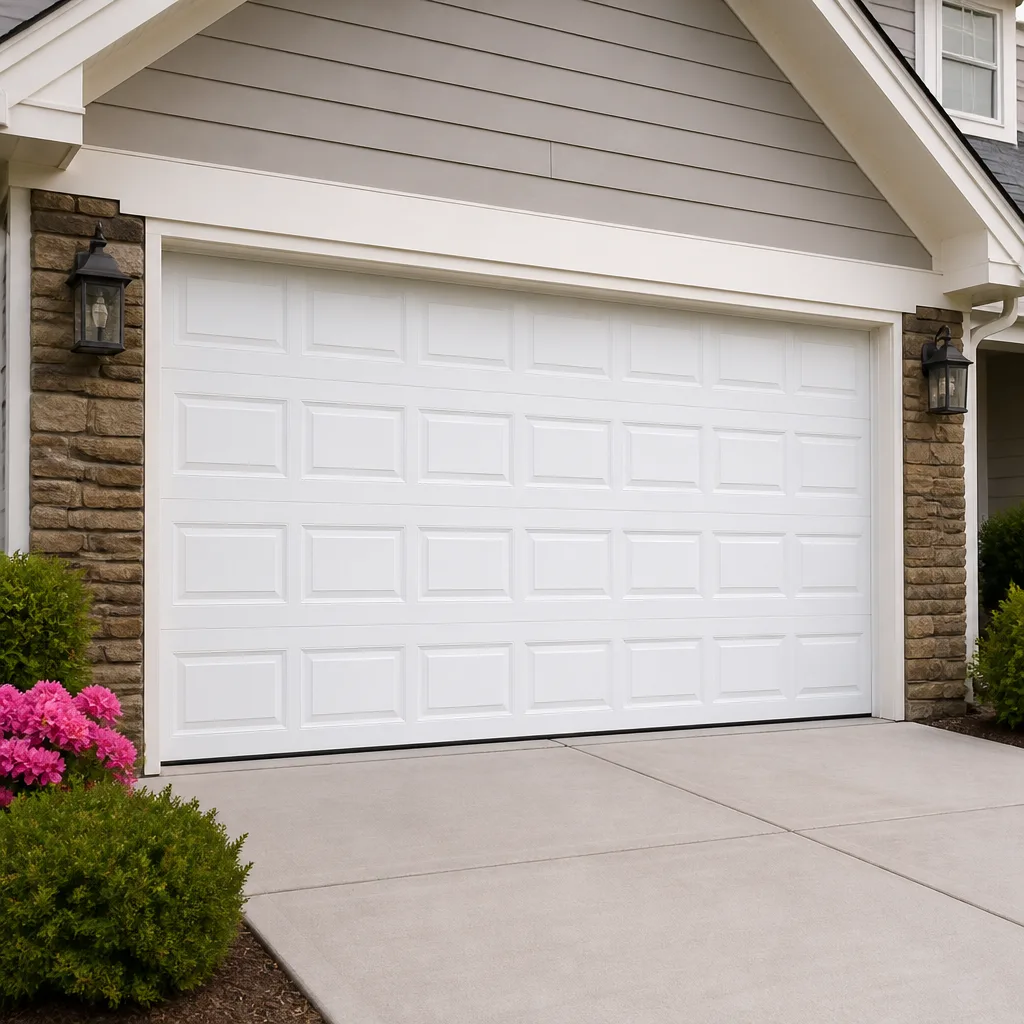 Raised-panel steel
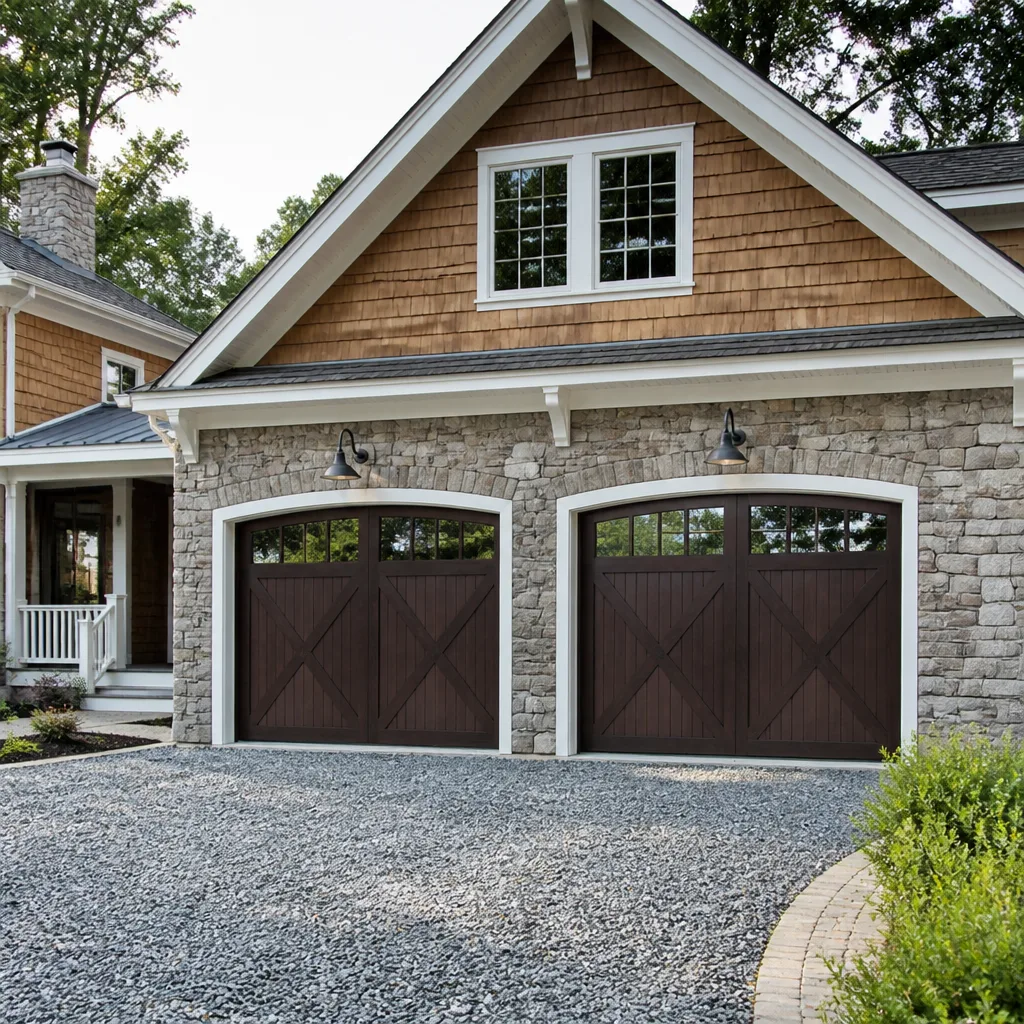 Carriage house
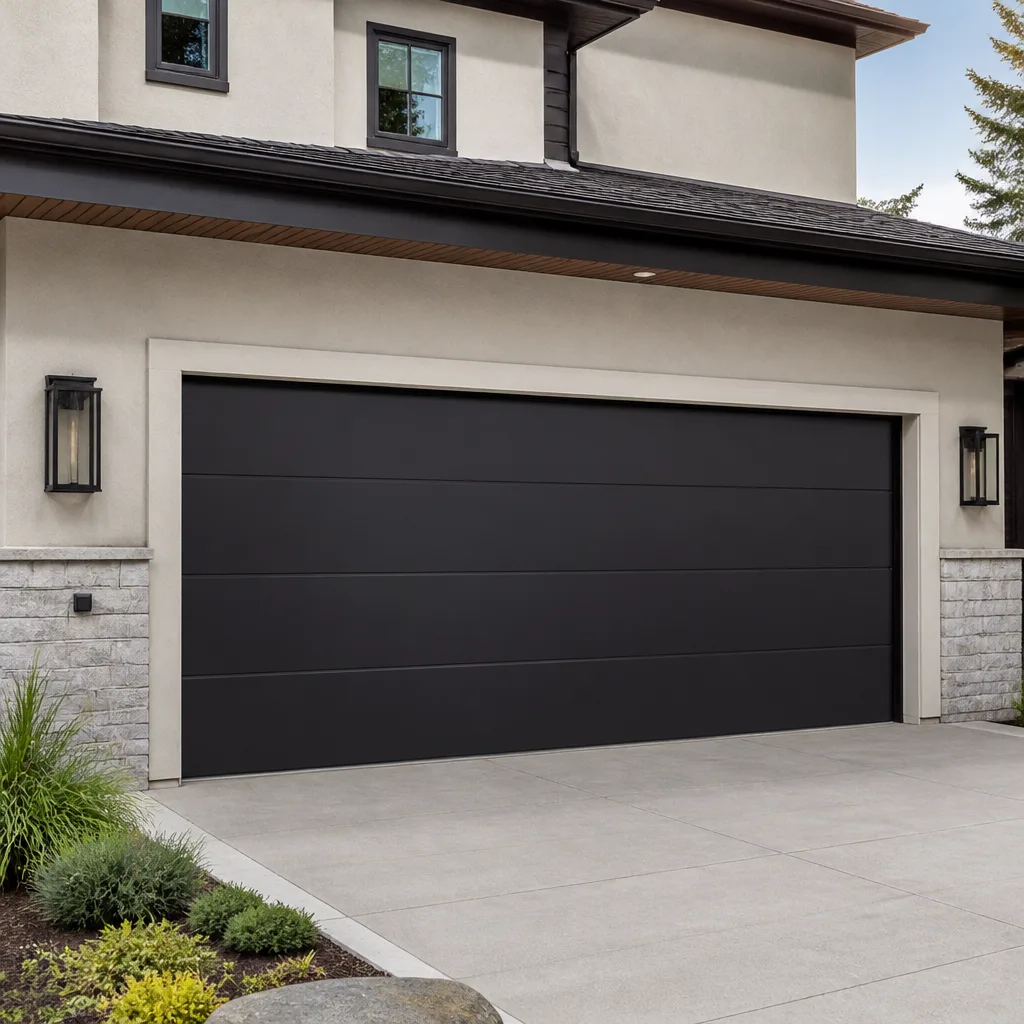 Modern flush
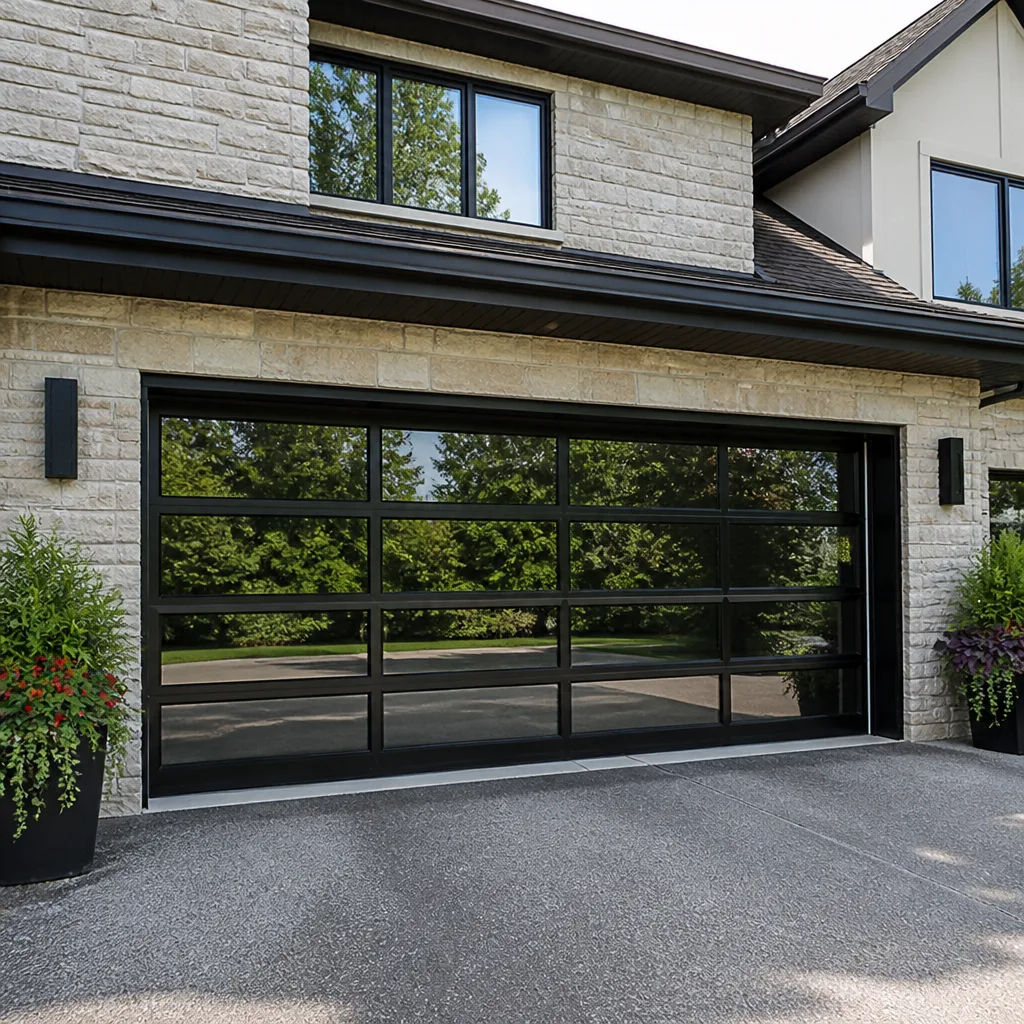 Full-view glass
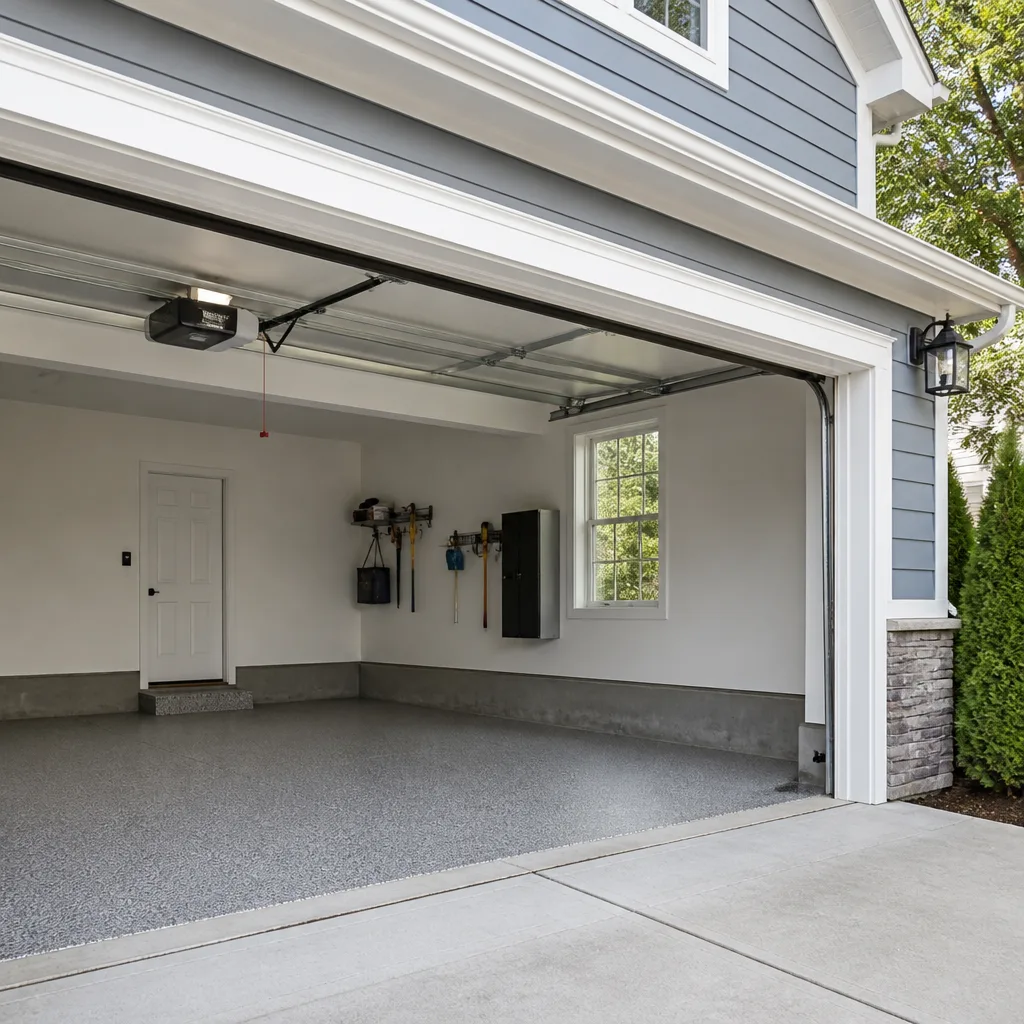 LiftMaster openers
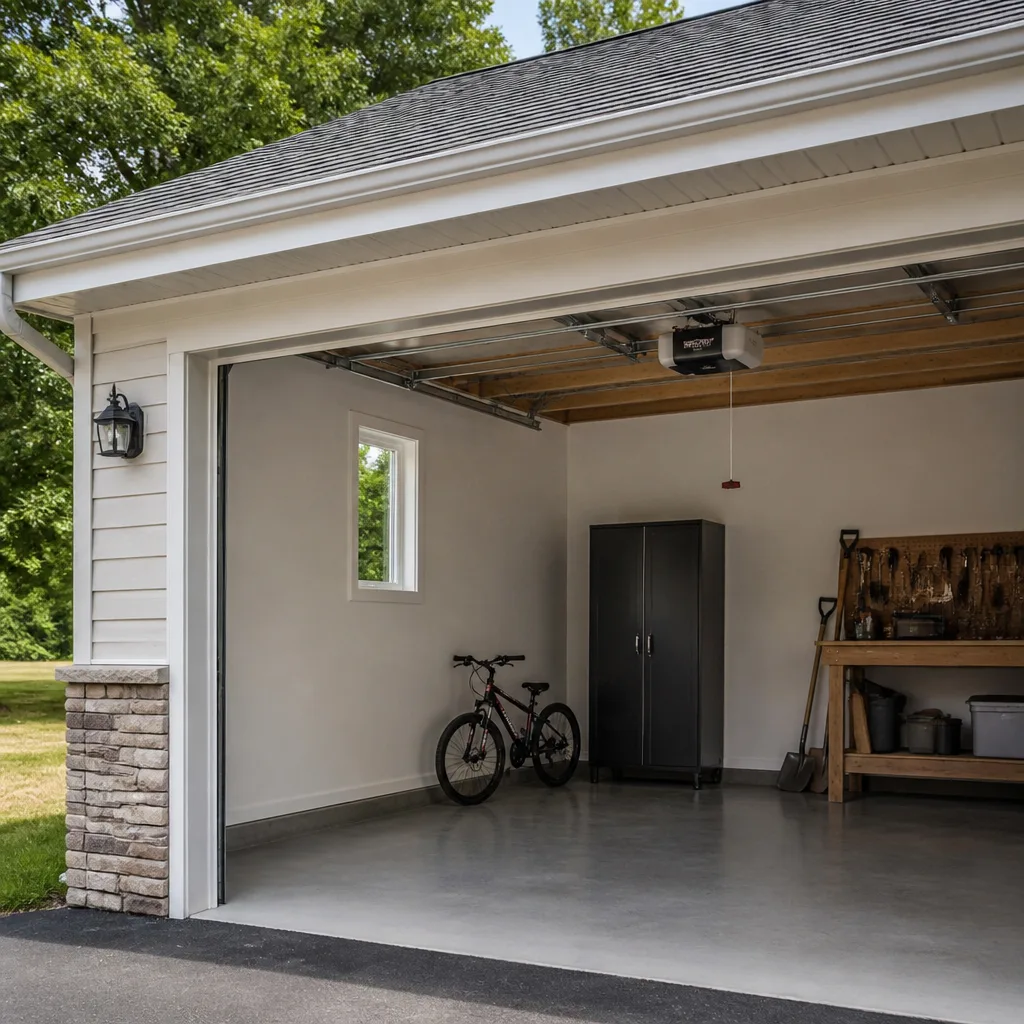 Chamberlain openers
Full 25-point door and opener safety check with every visit - springs, cables, rollers, tracks, and your LiftMaster or Chamberlain opener included
You get a price before we start. It does not change when the pro arrives.
Get your free estimateChoosing the Right Garage Door Brand: A Buyer’s Guide for Sunnyside
Most garage door advice starts with the wrong question. It asks which brand is best, as if there were one answer printed on a trophy somewhere. In Sunnyside, the better question is which brand you can actually get parts for when a hinge snaps or an opener board dies. A door with a fancy name and no local parts pipeline turns a two-hour repair into a two-week wait, and in a neighborhood where driveways are tight and the garage is often the main entrance, two weeks is a long time to leave a car on the street. This guide walks through brand availability, materials for our weather, warranty fine print, and why a multi-brand shop can give you a straight recommendation a single-brand dealer can’t.
Quick Answer
The best garage door brand for a Sunnyside home is usually the one whose parts a local technician can get quickly and whose warranty stays valid under normal installation. Clopay and Amarr make strong residential doors with wide dealer networks, while LiftMaster, Chamberlain, and Genie dominate openers and keep service parts easy to source. The right pick depends on your opening size, material, and how your block handles moisture and exhaust, not on the logo.
Styles & brands we work with
- Raised-panel steel
- Carriage house
- Modern flush
- Full-view glass
- LiftMaster openers
- Chamberlain openers
Table of Contents
- Why Parts Availability Beats Brand Marketing in Queens
- The Major Brands You’ll See on Sunnyside Doors
- Matching Door Material to Sunnyside’s Environment
- Residential vs. Commercial-Grade Lines
- How Brand Warranties Actually Work in Practice
- Why a Multi-Brand Specialist Gives Honest Advice
- A Step-by-Step Way to Choose
- Pairing a Door With the Right Opener
Why Parts Availability Beats Brand Marketing in Queens
The single biggest factor in garage door satisfaction in Sunnyside isn’t the badge on the panel. It’s whether a broken torsion spring, a snapped cable, or a dead opener logic board can be replaced from stock within a reasonable drive of the neighborhood. Queens is dense and the supply chain here is real: the closer a brand’s parts sit in distributor warehouses around the borough and the outer metro, the faster a repair gets done.
We’ve seen the difference play out. National brands with heavy dealer footprints tend to keep common springs, rollers, hinges, and opener components moving through regional distribution. Niche or specialty brands sometimes look elegant on the showroom floor but bottleneck on a specific bracket or a discontinued panel style.
What “good parts availability” actually means
- Common wear parts – springs, cables, rollers, hinges, and bottom seals – come from stock, not a special order.
- Opener electronics – circuit boards, gears, and safety sensors – are still manufactured for the models you own.
- Panel and section match – if a single panel is damaged, the maker still produces a match.
- Local distributor reach – parts live within the New York metro rather than shipping from a distant warehouse.
A brand with a “skyline” reputation but a thin local parts network will frustrate you at the worst moment. A brand with modest marketing but strong distribution will get you back inside your garage the same day. In Sunnyside, availability wins.
The Major Brands You’ll See on Sunnyside Doors
Walk down almost any Sunnyside block and you’ll spot the same handful of names. Clopay and Amarr dominate residential doors, while LiftMaster, Chamberlain, and Genie own most of the openers mounted on the ceiling. Wayne Dalton, Craftsman, and Raynor fill in the rest. Our technicians work on all of them, which matters when a homeowner doesn’t want to be steered toward a brand for the wrong reasons.
Doors: Clopay and Amarr
Clopay is the most common residential door brand we see in Sunnyside and the wider Queens market. The brand’s catalog covers steel raised-panel, carriage-house style, and insulated lines, and replacement panels are widely available. Amarr is the other major player and is well regarded for its steel options and its commercial-grade lines. Both have broad dealer networks that keep parts flowing through the New York metro.
Openers: LiftMaster, Chamberlain, and Genie
LiftMaster and Chamberlain are essentially the same engineering family (Chamberlain Group), and both are extremely common in Sunnyside garages. LiftMaster leans toward dealer-installed systems with battery backup and smart-home connectivity; Chamberlain is the retail-facing sibling sold at big-box stores. Genie is the other mainstay and has a long track record with screw-drive and belt-drive units. All three keep parts and remotes easy to source.
Other names you’ll bump into
Wayne Dalton, Craftsman, and Raynor round out the eight major brands we’re trained on. Wayne Dalton is common in new construction and townhouse clusters. Craftsman openers were sold through Sears for decades, so plenty still hum along on Sunnyside ceilings. Raynor doors show up on older commercial and multi-unit buildings around the borough. A multi-brand shop handles all of them Sunnyside Garage Door Repair Pros.
Matching Door Material to Sunnyside’s Environment
The material you choose will outlast the brand name in everyday satisfaction. Sunnyside’s climate is humid in summer, cold and damp in winter, and the borough’s urban air carries exhaust, grit, and the usual city grime. Most Sunnyside garages also get limited direct sun because they’re tucked behind buildings or under stoops, which changes how a given material ages here compared to a suburban driveway.
Steel: the practical default
Steel is the most common door material in Sunnyside and the smartest choice for most homes. It handles humidity well when the finish is intact, resists the sort of warping wood can show in a damp garage, and it’s easy to repair. The catch is rust: any scratch that reaches bare metal will start to corrode in a city climate, so touching up chips matters here more than it would in a dry climate. Insulated steel is a good upgrade for garages attached to living space.
Wood composite: warmth with upkeep
Wood composite doors look great on the older brick and limestone facades common in Sunnyside. They read warmer than steel and suit pre-war architecture. The trade-off is upkeep: moisture from a damp garage, road grime, and the freeze-thaw cycle will degrade an unmaintained wood door faster than a steel one. If you want the wood look, budget for refinishing.
Aluminum and fiberglass: lighter and rust-resistant
Aluminum is light and rust-resistant, which helps on wider openings where weight matters. Fiberglass is dimensionally stable and won’t rust, and it takes a decent wood-grain finish. On a small Sunnyside garage, aluminum and fiberglass can be ideal because they cut the load on the springs and opener.
How the material choice changes the parts story
- Steel – replacement panels are easy to source across the major brands.
- Wood composite – panels are available, but matching an older finish can be slower.
- Aluminum – lighter doors often pair with lighter-duty springs, which wear differently.
- Fiberglass – fewer panel-match options on older lines, so check availability before you commit.
Residential vs. Commercial-Grade Lines
Here’s something most buyers never hear from a dealer: the same brand often sells both a residential line and a commercial line, and for some Sunnyside homes the commercial line is the better pick. Residential doors and openers are engineered for a handful of open-close cycles a day. Commercial-grade components are built for hundreds of cycles and heavier usage, with beefier springs, thicker gauge hardware, and more robust openers.
When commercial-grade makes sense in Sunnyside
Multi-unit buildings, ground-floor garages used as workshops, and homes with a driveway shared by several cars can put far more cycles on a door than a typical residential setup. In those cases, a commercial-grade operator and a heavier spring package often outlast the residential equivalent, even though the upfront cost is higher. That’s a real conversation to have with a technician who services both.
When residential is the honest answer
Most single-family Sunnyside homes open and close the door a handful of times a day. A standard residential door with a good steel panel and a residential opener will serve that pattern perfectly. Pushing a homeowner toward commercial gear they don’t need is the kind of upsell a multi-brand shop avoids.
What to look at when comparing lines
- Cycle rating – ask what the springs and opener are rated for in open-close cycles.
- Gauge of hinges and rollers – heavier hardware lasts longer on a busy door.
- Operator duty cycle – a commercial operator handles back-to-back cycles without overheating.
- Match to actual use – honest answer depends on how many cars and how often.
How Brand Warranties Actually Work in Practice
Warranties are where homeowners get surprised. Almost every brand’s fine print includes language that limits coverage based on who installs the door, how it was installed, and whether routine maintenance was done. Understanding what’s actually covered before you buy saves you a headache years down the road.
What’s typically covered
- Manufacturing defects – a warped panel, a faulty opener board, or a failed weld.
- The door sections – often a multi-year limit, sometimes pro-rated after the first period.
- Hardware and springs – usually a shorter window than the door itself.
- Opener electronics – a set term, often tiered by component.
What’s usually excluded
- Wear and tear – springs, rollers, and cables are consumables.
- Improper installation – if the door wasn’t installed to the maker’s spec, coverage can drop.
- Lack of maintenance – an unserviced door is often cited in denial.
- Damage from misuse or impact – a car strike or a jammed door isn’t a defect.
Common warranty traps in Sunnyside homes
- The installer clause – some brands only honor the full warranty when a certified installer does the work.
- The “retail vs. professional” tier – an opener bought at a big-box store may carry a shorter warranty than the same unit from a professional channel.
- The pro-rated panel warranty – the panel may be “covered” but you still pay a growing share after the early years.
- The spring exclusion – most brands exclude springs, since they wear out, so plan for that cost regardless.
Why this matters for the parts story
Warranty coverage and parts availability are two sides of the same coin. A brand that stands behind its panels but can’t ship you a replacement in under two weeks leaves you waiting regardless of who’s paying. The best pick is a brand that both honors the warranty and can actually deliver the part.
Why a Multi-Brand Specialist Gives Honest Advice
Here’s the structural problem with asking a single-brand dealer “which brand should I buy?” The answer is always going to be the brand they sell. That’s not dishonesty; it’s just how a single-line dealership works. Their inventory, training, and margin are all tied to one label, so the recommendation can’t wander far.
A multi-brand shop, on the other hand, works on nearly every major brand. That means the recommendation can be based on your home, your usage pattern, and your budget, not on which brand pays the bills. When we work on LiftMaster, Chamberlain, Genie, Clopay, Amarr, Wayne Dalton, Craftsman, and Raynor all in the same week, we learn which ones come back for the same problem and which ones hold up.
The specific advantages
- No brand switching penalty – if your existing door is Clopay and your opener is Genie, we service both.
- Parts-first thinking – we can tell you which brands stay serviceable in Queens.
- Repair-first default – replacement is only recommended when repair stops making sense.
- Honest use of the line – if your Samsung-style usage patterns call for a commercial opener, we can say so.
This is also why our garage door repair work covers so many different systems. A homeowner doesn’t want to hear that they called the wrong shop. They want the door fixed.
A Step-by-Step Way to Choose
Choosing a brand when you actually have to decide is easier if you work backward from your real constraints. Most Sunnyside homeowners end up discovering one or two brands fit their situation, and the rest of the noise falls away.
Step 1: Measure the opening and note the ceiling height
Brand catalogs are organized around standard sizes. A tight garage in Sunnyside may push you toward certain brands and materials. Write down the opening width, height, and the amount of space above the door and below the ceiling.
Step 2: Identify your primary use
Is this a daily-driver garage, a shared driveway, or a workshop? That drives the residential vs. commercial line decision and the door open-close cycle your hardware needs to survive.
Step 3: Pick the material first, then the brand
Steel is the practical default in Sunnyside. Wood composite suits pre-war facades. Aluminum and fiberglass help on wide or weight-constrained openings. Once the material is settled, choose a brand that keeps that material’s panels and hardware serviceable locally.
Step 4: Confirm parts availability
Ask a technician which brands of that material they can actually get parts for quickly. This is the point where the marketing stops and the practical part starts.
Step 5: Read the warranty for the installer clause
Before you commit, confirm whether the full warranty requires a certified installer. If it does, make sure the crew you hire meets that standard.
Step 6: Pair the door with an opener that supports it
Weight, insulation, and drive type all matter. A heavier insulated steel door needs a stronger opener than a light aluminum one. Belt-drive for quiet, screw-drive for a tight ceiling, chain-drive for a tighter budget.
Step 7: Get a written estimate
Ask for the estimate in writing before any work starts, and confirm the pick list of parts. The written estimate is the price.
Pairing a Door With the Right Opener
The opener and the door are a system, not two products. A great door with a mismatched opener suffers vibration, wear, and premature failure. A modest door paired with the right opener hums along for years. In Sunnyside, most of the openers we see are LiftMaster, Chamberlain, or Genie, and all three make strong units that match up well with Clopay and Amarr doors.
Matching capacity
Opener capacity is rated in weight. A heavier insulated steel Clopay door needs more pull than a light aluminum Amarr. Match the opener’s rated weight to the door’s actual weight, not the other way around.
Drive types in practice
- Belt drive – quietest option, good choice if you live above the garage in Sunnyside.
- Chain drive – reliable and lower cost, slightly louder.
- Screw drive – good for tight ceiling height, fewer moving parts.
- Direct drive – smooth, typically available on certain brands.
Smart-home and safety features
Newer LiftMaster and Chamberlain openers work with smart-home apps and add a battery backup, which matters if your garage loses power. All modern openers include safety sensors at the base of the door. If yours don’t work, that’s a garage door opener repair job, not a “live with it” job.
When to repair vs. replace the opener
We repair first. A grinding opener with a stripped gear is often fixable, and a dead logic board on a solid LiftMaster unit usually doesn’t justify a whole new operator. Replacement is recommended only when the opener is old enough that parts are no longer produced for your model, or the unit has already been repaired more than once for the same fault.
Common Mistakes to Avoid
- Buying the brand from the showroom and ignoring the parts network. A beautiful door from a brand with a thin local presence will slow down every future repair. Ask upfront who services it in Queens.
- Choosing a wood-look door in Sunnyside without planning for maintenance. Wood composite is beautiful on a pre-war facade, but our damp winters and humid summers will punish an unmaintained finish. Budget for refinishing.
- Assuming a single-brand dealer is unbiased. They sell one line. That doesn’t make them wrong, but it does make the recommendation structurally narrow. Get a second opinion from a shop that services multiple brands.
- Ignoring the installer clause in the warranty. Some brands only honor the full warranty when a certified installer does the work. Read the fine print before you commit.
- Pairing a heavy insulated door with an undersized opener. A 20-year-old opener on a new insulated steel door will burn out faster than you’d expect. Match the opener to the door’s weight.
- Turning a Spring Replacement into a DIY afternoon. Springs in Sunnyside garages are under enormous tension. One wrong move can be serious. Call a trained technician for spring work.
- Ignoring small dents and bruises that reach bare metal. In a city climate, a scratch that gets past the finish will start to rust quickly. Touch it up early.
See the difference
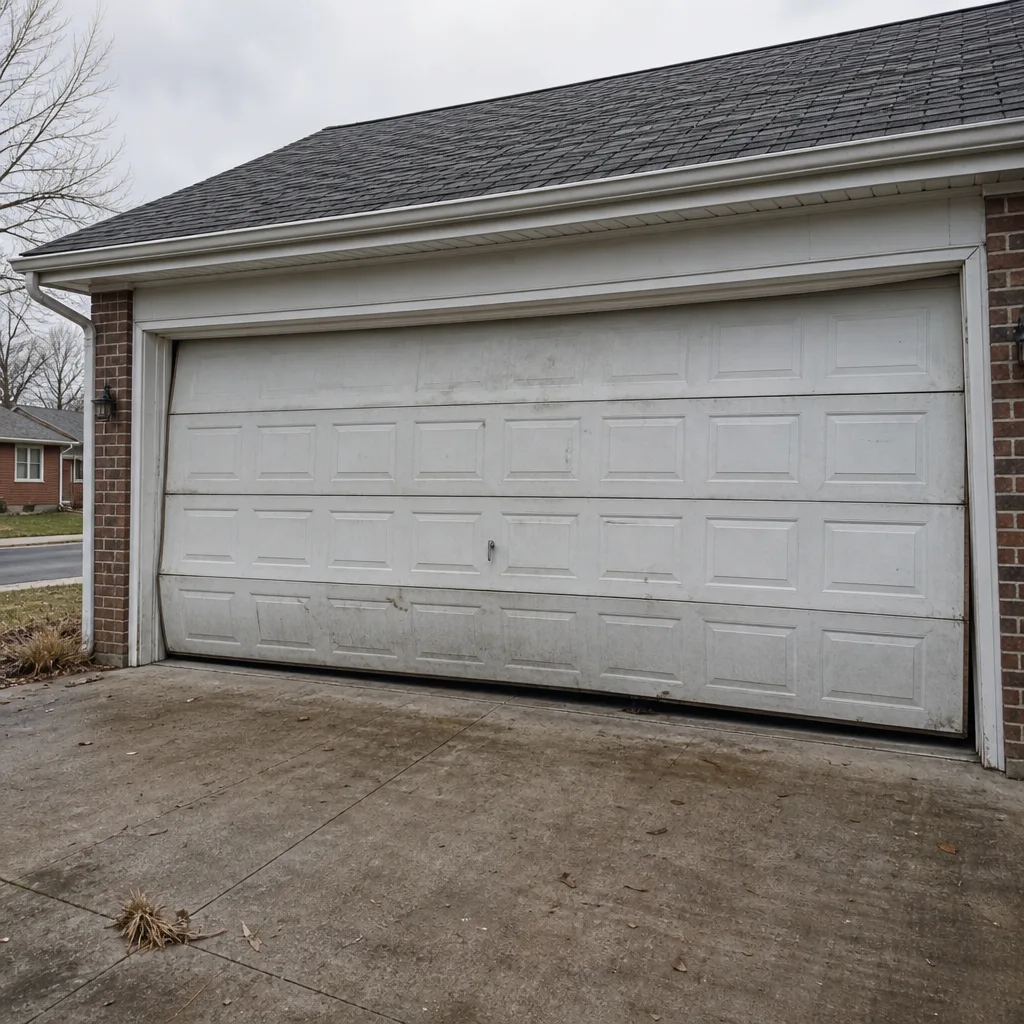 Before
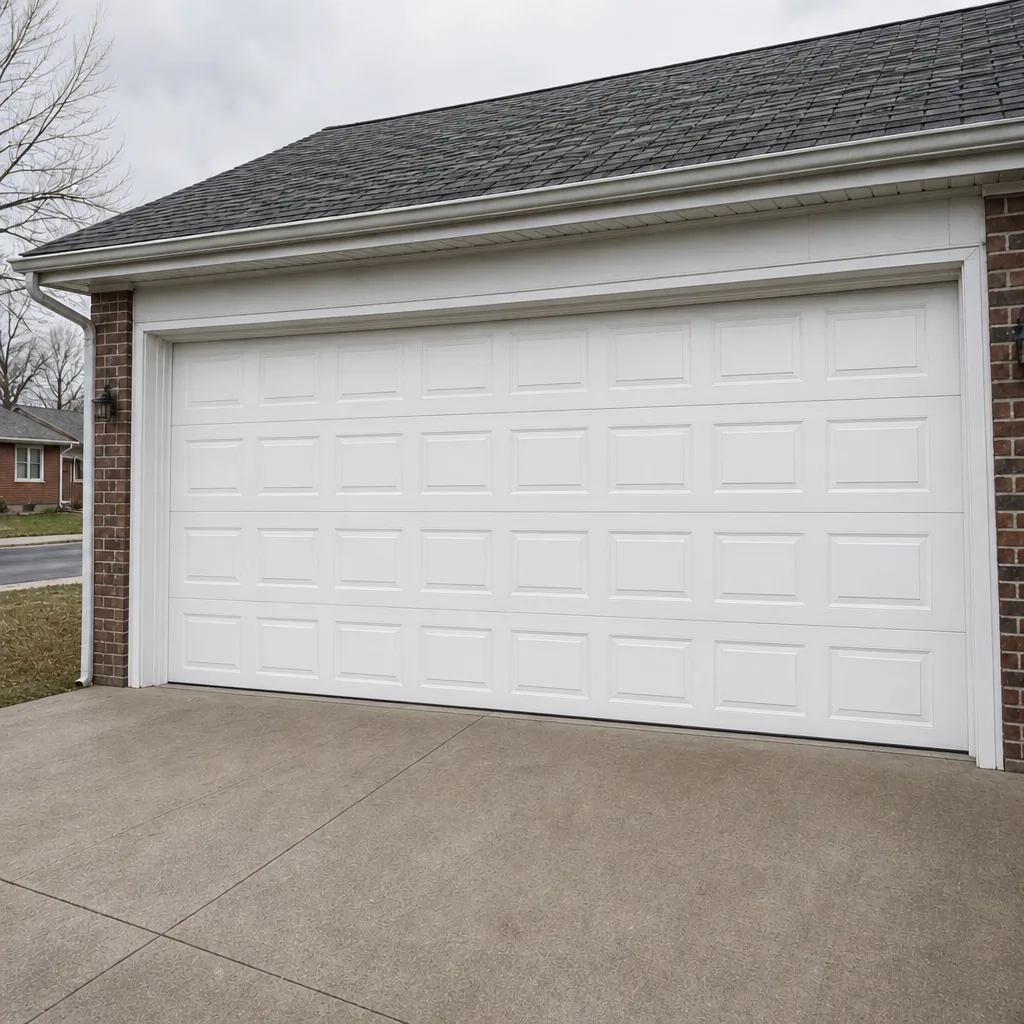 After
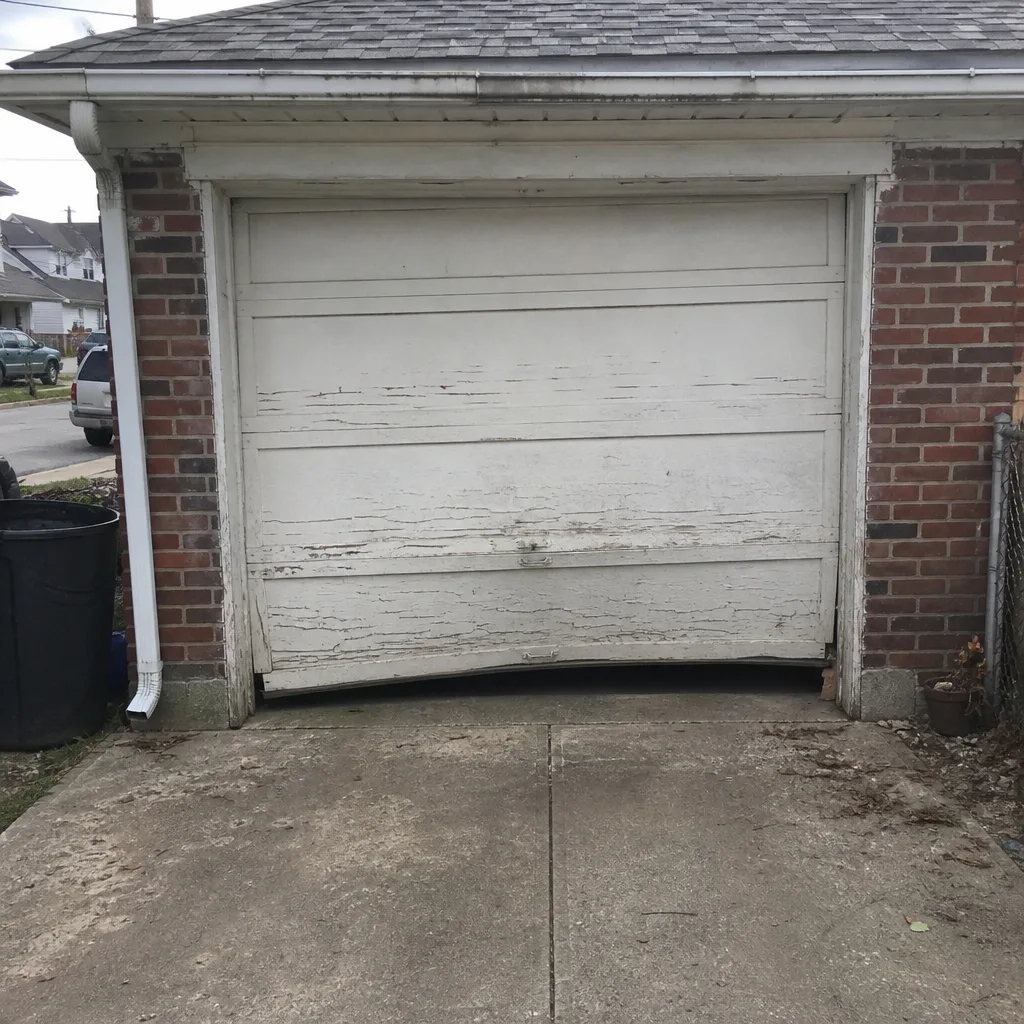 Before
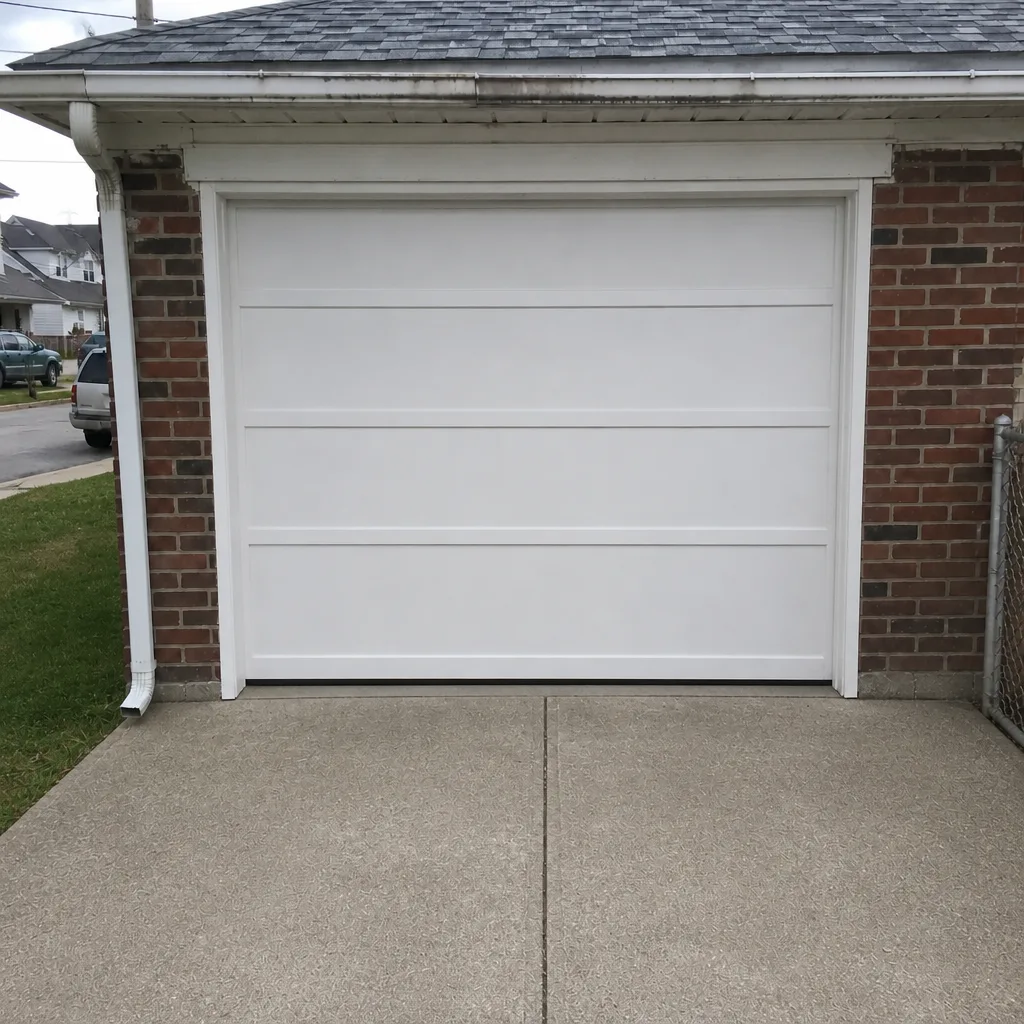 After
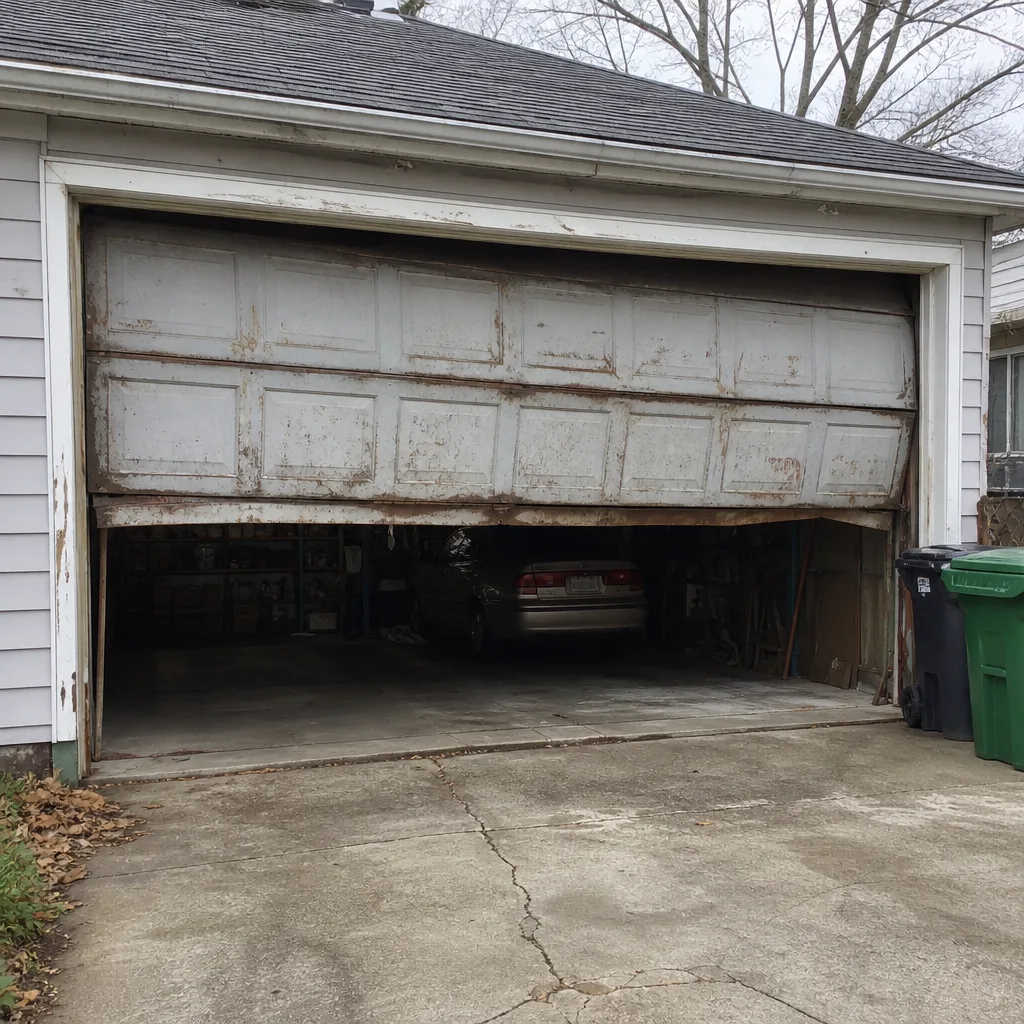 Before
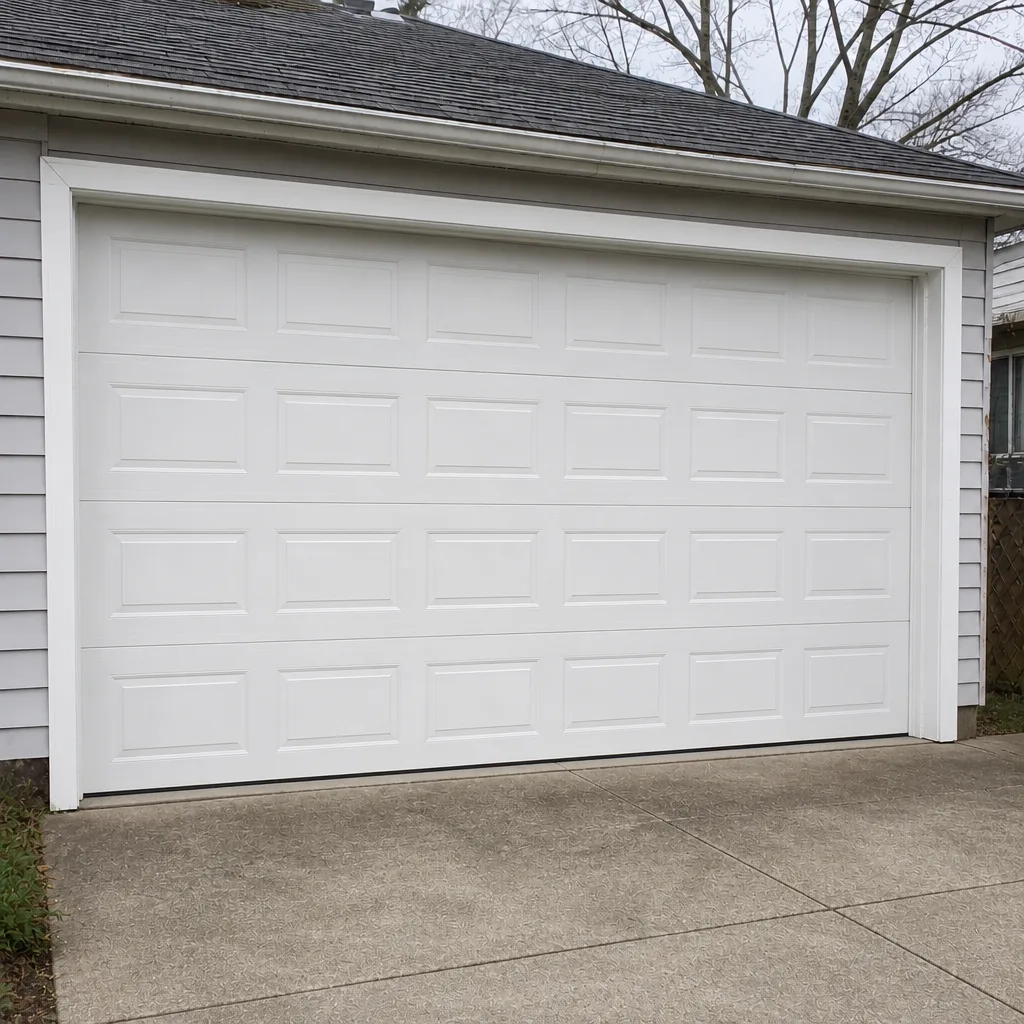 After
When to Call a Professional
Some garage door work is safe to handle yourself: wiping down the door, testing the safety sensors, and keeping the track clear of grit. But several components belong in the hands of a trained technician. High-tension torsion springs, cables under load, and stranded doors off their track are genuinely dangerous, and no blog post should encourage a homeowner to work on them. Beyond safety, brand warranty coverage is often tied to proper installation, and a certified technician protects that coverage. If you’ve read this and realized your current door is a brand with a thin parts pipeline in Queens, that’s a conversation worth having before something breaks. Sunnyside Garage Door Repair Pros offers free estimates in Sunnyside – call (833) 918-8419.
Frequently Asked Questions
For most Sunnyside homes, Clopay and Amarr on the door side and LiftMaster, Chamberlain, or Genie on the opener side are the safe, well-supported choices, because parts for those brands are widely available in the Queens and NYC metro area. The right pick depends on your opening size, material preference, and how often the door gets used. Call (833) 918-8419 for an exact quote – estimates are free.
Clopay, Amarr, LiftMaster, Chamberlain, and Genie tend to have the widest local distributor networks and the fastest access to common parts around Sunnyside. Specialty and discontinued brands can take longer for a specific panel or bracket. If speed of repair matters, ask a technician which brand is easiest to source in your neighborhood before you commit.
Often yes, but it depends on the brand and the specific terms. Some brands require a certified installer to keep the full warranty active, while others honor it as long as the installation meets spec. Always read the installer clause in the fine print. If you’re not sure, ask the shop before you buy.
Wood composite doors work well on pre-war Sunnyside facades if you maintain the finish. Without upkeep, our humid summers and damp winters will take a toll faster than on steel. If you want the wood look, plan for refinishing and touch-ups. Steel remains the practical default for low-maintenance durability.
Because their inventory, training, and margin are all tied to one line, so the recommendation is naturally constrained to what they sell. A multi-brand shop like ours works on LiftMaster, Chamberlain, Genie, Clopay, Amarr, Wayne Dalton, Craftsman, and Raynor in the same week, so we can tell you honestly which brand fits your home and usage pattern. Call (833) 918-8419 to talk through the options.
You can, but it’s rarely worth it, especially with springs and cables involved. High-tension springs are genuinely dangerous and belong with a trained technician, and improper installation can void the brand warranty. For the door itself, the installation is best handled by someone who does it regularly. Our technicians have up to 14 years of experience. Call (833) 918-8419 for a free estimate – the written estimate is the price.
The Bottom Line
In Sunnyside, garage door satisfaction is decided less by the brand name on the panel and more by whether the door can be serviced quickly. Clopay and Amarr keep residential doors well supported in the Queens and NYC market. LiftMaster, Chamberlain, and Genie keep openers humming with widely available parts. Match the material to our humid climate. Read the installer clause. Pair the door with an opener rated for its weight. And get the estimate in writing before any work starts. A multi-brand shop can give you the honest recommendation a single-line dealer structurally can’t. New installation is scheduled, not rushed, so call (833) 918-8419 for a free measure and a written price. Repair is faster still – same-day service is often available, and for the many Sunnyside homeowners planning full replacement, visit garage door installation.
Written by the team at Sunnyside Garage Door Repair Pros.