
Last updated November 21, 2026
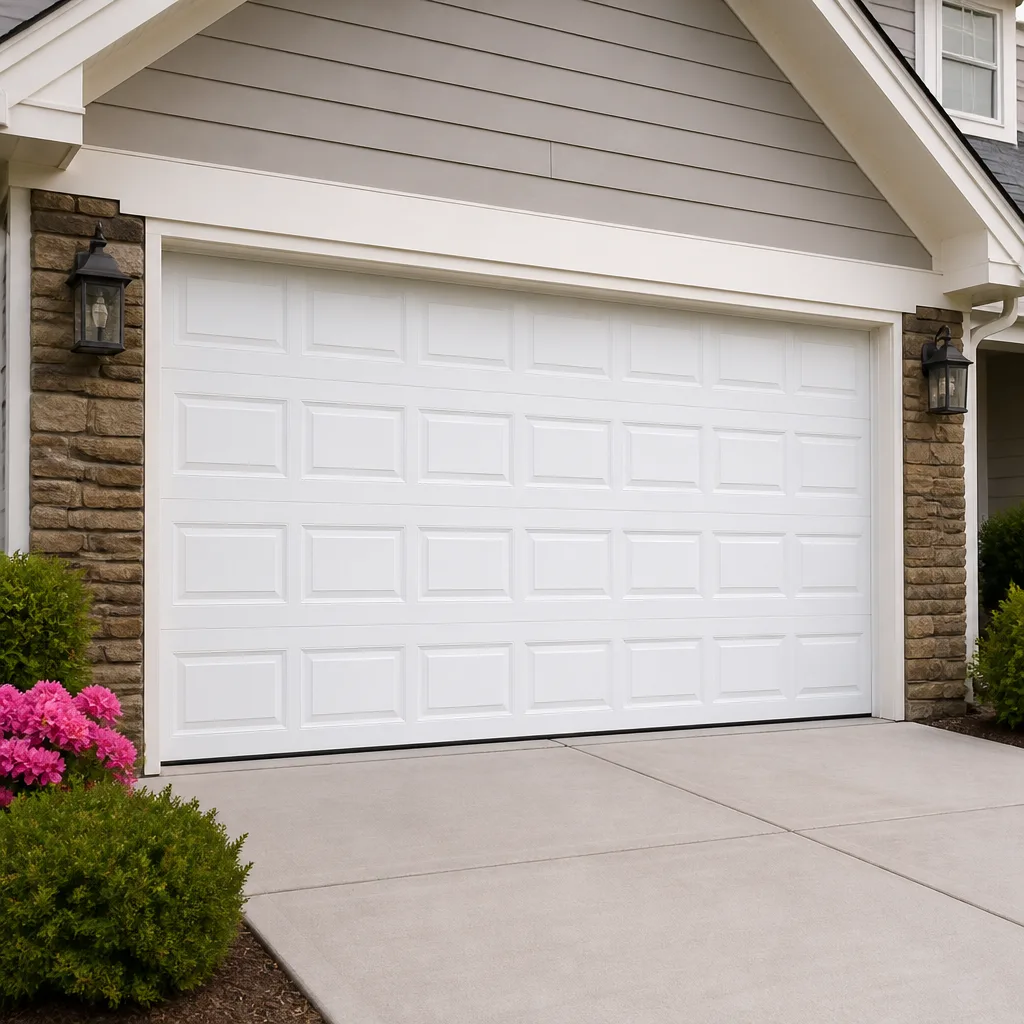 Raised-panel steel
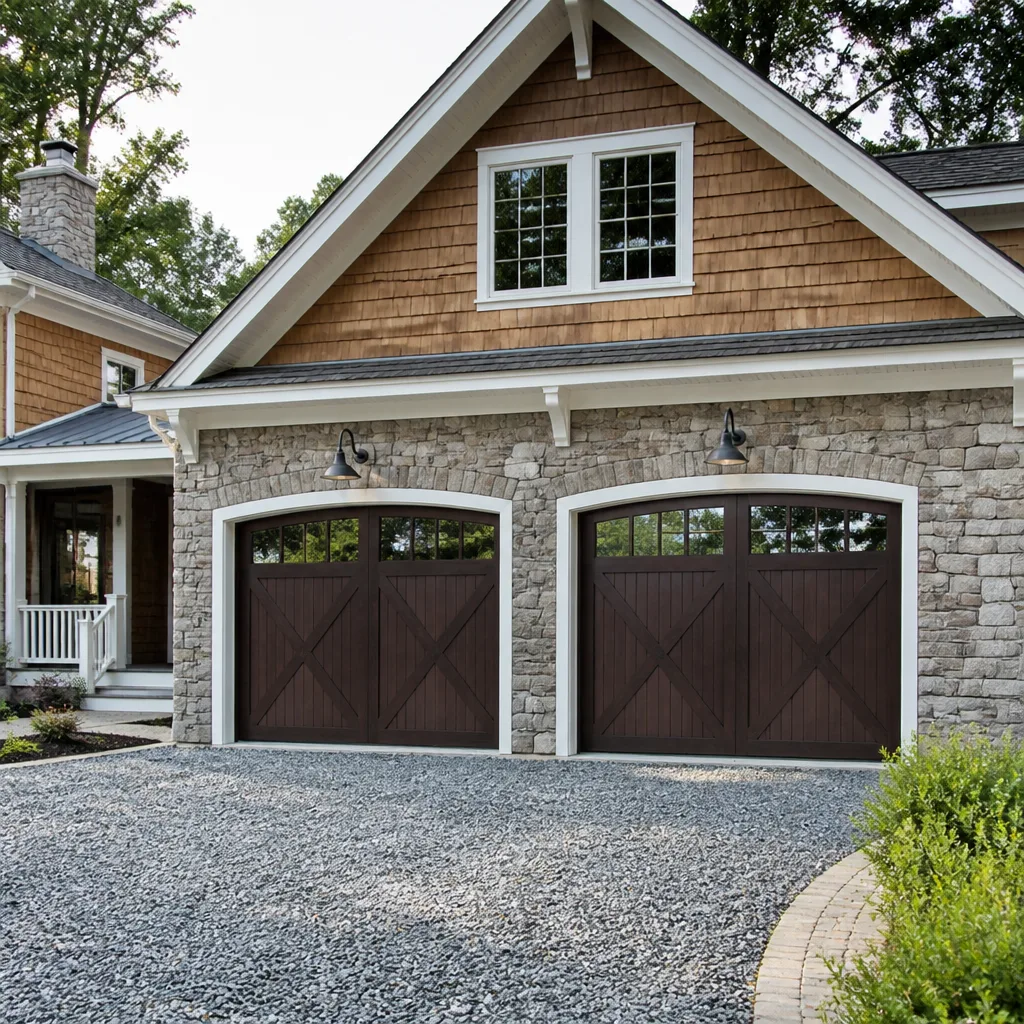 Carriage house
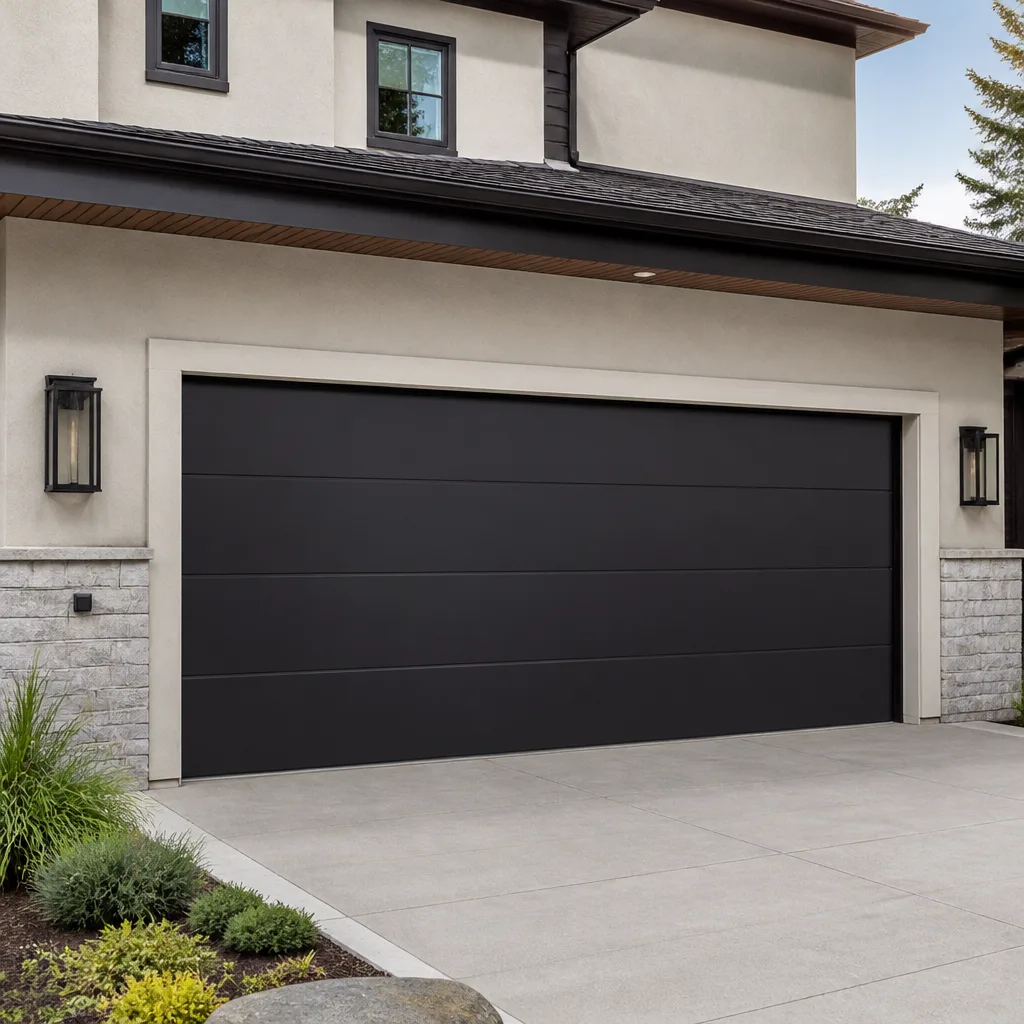 Modern flush
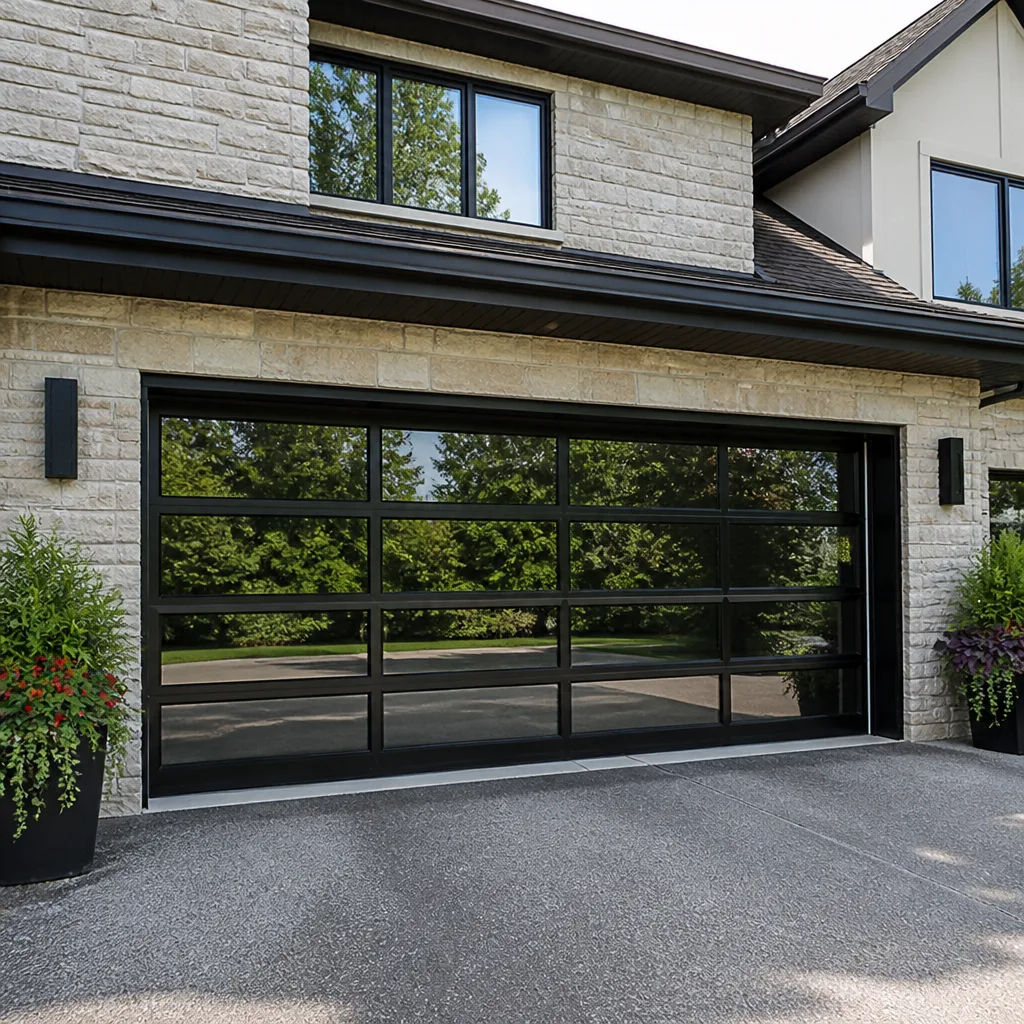 Full-view glass
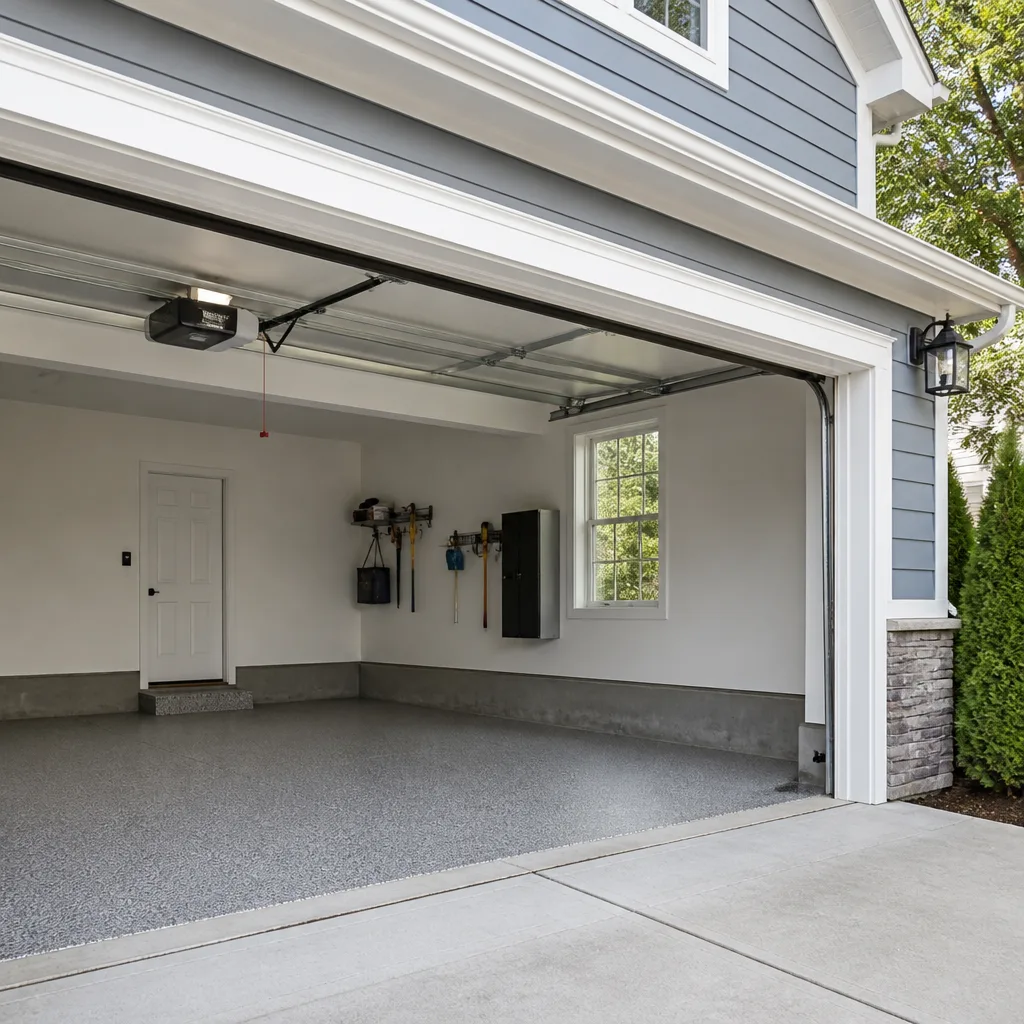 LiftMaster openers
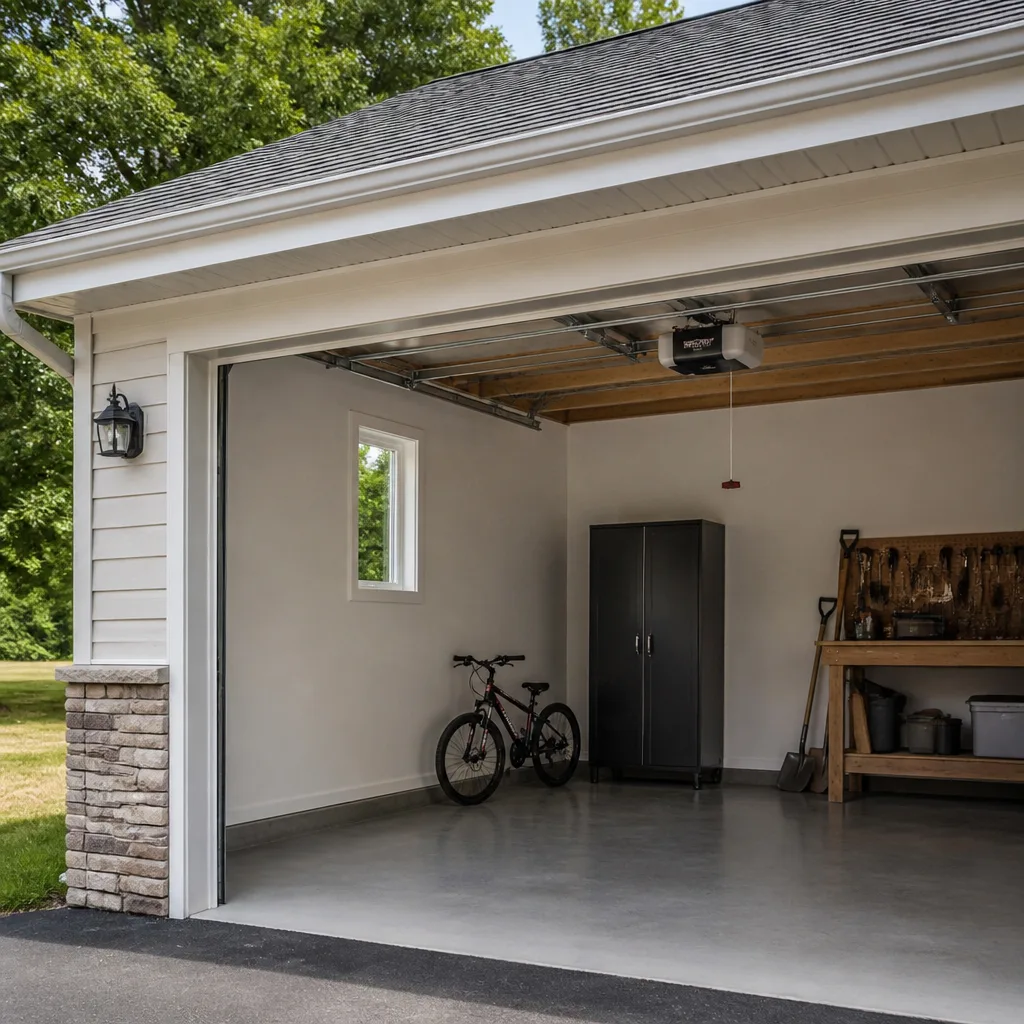 Chamberlain openers
Full 25-point door and opener safety check with every visit - springs, cables, rollers, tracks, and your LiftMaster or Chamberlain opener included
You get a price before we start. It does not change when the pro arrives.
Get your free estimateDIY vs Professional Garage Door: The Sunnyside Homeowner’s Decision Guide
Replacing a garage door panel yourself is a reasonable project for a careful homeowner with a free afternoon. Replacing a torsion spring yourself can send you to the emergency room, and in New York City some garage door work requires a licensed contractor whether you like it or not. That distinction – between what’s merely inconvenient, what’s genuinely dangerous, and what’s legally off-limits to a do-it-yourselfer – is what this guide is built around. We’ll walk through each task type, the physics that makes spring work different from everything else, the hidden costs that show up after a DIY job, and how to judge your own skills honestly. You’ll finish knowing exactly which tasks belong on your list and which ones shouldn’t.
Quick Answer
Panel swaps, weatherstripping, sensor alignment, and basic lubrication are safe for most Sunnyside homeowners to handle. Torsion and extension spring replacement, cable work, and track realignment after a door comes off its rails should go to a trained technician because the stored energy in those components can cause serious injury. New York City code also requires a licensed contractor for certain structural and electrical garage door work, so some jobs aren’t optional. When in doubt, a free estimate costs nothing and settles the question fast.
Styles & brands we work with
- Raised-panel steel
- Carriage house
- Modern flush
- Full-view glass
- LiftMaster openers
- Chamberlain openers
Table of Contents
- The Three Categories of Garage Door Work
- Why Torsion Springs Are Categorically Different
- What NYC Code Requires a Licensed Contractor For
- The Hidden Costs of DIY That Show Up Later
- How to Evaluate Your Own Skill Level Honestly
- The Hybrid Approach: DIY Diagnosis, Pro Repair
- Brand Matters: Why Multi-Brand Knowledge Saves You Time
- Sunnyside Context: Housing Stock, Weather, and Access
The Three Categories of Garage Door Work
Most DIY-versus-pro debates treat garage door work as one lump. It isn’t. In our experience, every task falls into one of three buckets, and mixing them up is where homeowners get into trouble. Sort your job into the right bucket first and the rest of the decision gets much simpler.
Category 1: Safe DIY. These tasks involve no stored high-tension energy and no electrical work. They’re well within reach for a homeowner with basic tools and a willingness to read the manual.
- Replacing a single damaged panel on a sectional door (with the door fully closed and the opener disconnected)
- Replacing bottom weather seal or side perimeter seals
- Cleaning and lubricating hinges, rollers, and tracks with a proper garage door lubricant
- Aligning photo-eye safety sensors and clearing obstructions
- Tightening loose hinge and bracket bolts (hand-tight, never over-torqued)
- Replacing remote batteries and re-pairing a remote to the opener
Category 2: Professional skill, no license required. These jobs aren’t legally restricted, but they require tools, training, and a working knowledge of how the whole system balances. A mistake here can damage the door, the opener, or you.
- Torsion and extension spring replacement
- Cable replacement and drum re-spooling
- Track realignment after a door comes off its rails
- Opener motor, logic board, or gear replacement
- Roller and hinge replacement on a door that needs rebalancing afterward
- Full door and opener installation
Category 3: Licensed contractor required. New York City requires licensed professionals for certain structural and electrical garage door work, and a licensed electrician for any new dedicated circuit to an opener. This bucket isn’t about skill level at all – it’s about what the code allows. If your job falls here, DIY isn’t a cheaper option; it’s simply not an option.
If you’re unsure which bucket your job belongs in, that uncertainty is itself useful information. A quick call to Sunnyside Garage Door Repair Pros will tell you whether you’re looking at a Saturday project or a job that needs a technician.
Why Torsion Springs Are Categorically Different
A torsion spring holds the entire weight of your garage door in a coiled state, and that stored energy is released the moment the spring is unwound incorrectly. This is why spring work sits alone at the top of the risk ladder – not because it’s complicated to understand, but because the failure mode is violent and immediate. A door weighing a couple hundred pounds is held in balance by that spring. When it lets go under load, metal moves fast and hard.
The physics are straightforward once you see them. A torsion spring is wound to counterbalance the door’s weight. To work on it, a technician has to control that winding force with the right bars, in the right sequence, while the spring is under load. There’s no margin for a bar that slips or a wind that’s counted wrong. Extension springs, common on older single-car doors, store the same energy along the horizontal track and need safety cables to contain a break.
What makes this different from, say, replacing a hinge:
- Stored energy is invisible. A wound spring looks like a coil of metal. Its force isn’t obvious until it releases.
- The tools are specialized. Winding bars are sized for the job. A screwdriver or a pair of pliers is not a substitute, and using the wrong tool is how injuries happen.
- The failure is instant. There’s no warning creak before a spring lets go under winding tension. The release is the event.
- A door out of balance is dangerous to operate. Even after the spring is “fixed,” an improperly tensioned door can fall or slam, and the opener isn’t designed to catch it.
The injury pattern we hear about most is hand, wrist, and face injuries from a bar slipping under load or a spring releasing during a DIY wind. This is the one repair on the whole door where we tell homeowners plainly: don’t. Our technicians have up to 14 years of experience with these components, and they still wear the right protection and use the right bars every time. If your door won’t lift, or you’ve heard a bang from the garage and the door is suddenly dead weight, that’s a garage door repair call, not a project.
What NYC Code Requires a Licensed Contractor For
New York City requires a licensed contractor for certain garage door work, and the specifics vary by building type, door type, and whether the work touches structure or electrical. The short version: if your job involves a new opening, structural framing changes, or a new electrical circuit for the opener, plan on a licensed professional. The DIY question doesn’t apply.
Some general guideposts for Sunnyside homeowners:
- New door opening or header changes: structural work, licensed contractor and likely a permit through the NYC Department of Buildings.
- New dedicated electrical circuit for an opener: licensed electrician, no exceptions.
- Replacing an opener on an existing circuit: typically a straight swap, but confirm with your building if it’s a multi-unit property.
- Replacing a door in an existing opening with a like-for-like unit: often no permit, but the only reliable answer comes from the DOB or a licensed contractor who knows your building type.
- Spring, cable, and track repairs: not a licensing issue – a safety one. This is Category 2 work.
We won’t guess at your building’s specifics, and neither should you. The right move is to call the NYC Department of Buildings or ask a licensed contractor before you buy materials. Sunnyside has a mix of two-family homes, small apartment buildings, and converted commercial spaces, and the rules can differ from one to the next. A five-minute conversation up front saves a much longer one with an inspector.
If you’re planning a replacement and want to know what your opening can take, we handle garage door installation across Sunnyside and can tell you what the code picture looks like for your building before you commit to anything.
The Hidden Costs of DIY That Show Up Later
The sticker price of a DIY repair is one spring, one hinge, or one panel from a box store. The real cost often shows up weeks later, and it rarely makes it into the DIY-versus-pro math. Here’s what we see homeowners absorb after a job that didn’t quite go right.
- Voided warranties. Most door and opener manufacturers require installation or repair by a qualified technician to keep the warranty intact. A DIY spring swap on a Clopay or Amarr door can quietly end coverage on the whole system.
- Incompatible parts. A spring has to match the door’s weight, track radius, and cycle life. A box-store spring that’s “close enough” puts extra load on the opener and shortens its life. The same goes for rollers, hinges, and opener gear kits.
- Callback repair bills. A door that’s been run out of balance for a few weeks wears the opener’s gears and the door’s hinges faster. The second repair costs more than the first one would have.
- Opener damage from an unbalanced door. The opener is designed to lift a balanced door with a little help. An out-of-balance door forces the motor to do work it wasn’t built for, and a burned-out motor or stripped gear is a much bigger bill than the original spring.
- Missed diagnosis. A door that “just needs a spring” sometimes has a bent track or a worn cable too. A technician sees the whole system in one visit; a homeowner working from a video sees one part at a time.
- Your time and tools. Winding bars, a proper lubricant, and the right sockets add up. If you only do this once, the tool cost can easily exceed the labor on a professional repair.
None of this means every DIY job is a mistake. It means the honest comparison isn’t “parts cost vs. labor cost.” It’s “parts cost vs. a written estimate that covers the whole job, with a warranty behind it.”
How to Evaluate Your Own Skill Level Honestly
Most homeowners overestimate their readiness for garage door work by one category. That’s not a criticism – it’s a predictable pattern, and it’s fixable if you ask yourself the right questions before you start. Use this checklist to sort your job honestly.
- Have you done this exact task before? Not a similar task. This one, on a door like yours. If not, assume you’re at beginner level for it.
- Do you own the specific tools? For spring work, that means torsion winding bars sized for your spring, a properly rated ladder, and eye protection. For panel work, it means the right sockets and a second set of hands.
- Can you explain how the door balances? If you can’t describe how the spring, cables, and opener share the door’s weight, you’re not ready for any task that touches that balance.
- Can you stop if something goes wrong? If a repair fails mid-job, can you leave the door in a safe, closed, secured state until a technician arrives? If not, don’t start.
- Is the door your only vehicle access? A failed DIY job on a Friday means a dead car in the garage until it’s fixed. A technician can usually get you back to normal in a single visit.
- Does the job touch structure, electricity, or springs? If yes to any of those, move it to the professional column and stop second-guessing.
If you can check every box for a task, it’s a reasonable DIY. If you hesitate on any of them, that hesitation is your answer. There’s no prize for finishing a spring swap yourself, and there’s a real cost to getting it wrong. Our technicians have up to 14 years of experience precisely because this work rewards repetition.
The Hybrid Approach: DIY Diagnosis, Pro Repair
You don’t have to choose between full DIY and full handoff. The hybrid approach – doing your own diagnosis and prep work, then calling a technician for the dangerous or licensed parts – often gets you the best of both. You save on billable labor time, you understand your door better, and you keep the risky work in trained hands.
Here’s how a hybrid job usually runs in Sunnyside:
- Observe and note. Write down what the door does: where it stops, whether it’s sluggish, whether you hear a bang, whether the opener light blinks a code. Photos of the spring, track, and opener label help a technician quote accurately over the phone.
- Clear the area. Move cars, bikes, and stored items out of the garage so the technician has room to work safely. This alone can shorten a visit.
- Do the safe prep. Lubricate hinges and rollers, clean the tracks, and check that the photo-eye sensors are aligned. These are tasks you can own completely.
- Call for the dangerous work. Spring, cable, track, and opener repairs go to a technician. When you’ve already done the diagnosis and prep, the visit is faster and the estimate is more precise.
- Handle the simple follow-up yourself. Re-pairing remotes, replacing weatherstripping, and re-lubricating on a schedule are all within reach once the door is running right.
The hybrid approach works especially well for garage door opener repair. You can narrow down the symptom – is it the remote, the sensor, the logic board, or the motor? – before you call, which saves diagnostic time and helps the technician arrive with the right part. It also works for panel replacement on a Clopay or Wayne Dalton door where the spring and cables are fine but a single panel is dented.
Brand Matters: Why Multi-Brand Knowledge Saves You Time
A single-brand dealer will tell you your door needs to be replaced if it isn’t one of theirs, and a general handyman will guess at parts for a system they see once a year. The middle ground – a technician who works across the major brands – is where most Sunnyside homeowners actually want to be. We work on nearly every major brand, so you’re not stuck waiting for a brand-specific dealer.
We’re trained across eight major garage door brands: LiftMaster, Chamberlain, Genie, Clopay, Amarr, Wayne Dalton, Craftsman, and Raynor. That matters for two reasons. First, parts and compatibility questions get answered correctly the first time, without a callback. Second, we don’t have a financial reason to steer you toward one manufacturer over another. When a Genie opener needs a gear kit, we fix the gear kit. When a Clopay panel is the only thing that’s damaged, we replace the panel.
What that means for a DIY decision:
- If you’re sourcing a part yourself, you need the exact model number from the door or opener label, not just the brand. A “Genie opener” covers a wide range of models.
- Springs are matched to door weight, not brand. A technician measures before ordering; a homeowner guessing from a box store shelf usually gets it wrong.
- Warranty terms vary by manufacturer. A DIY repair on a Wayne Dalton or Amarr door can void coverage in ways that aren’t obvious from the manual.
- Smart-home openers from LiftMaster and Chamberlain often need a model-specific bridge or app to work correctly after a repair. That’s a five-minute fix for a technician and an hour of frustration for a homeowner without the right guide.
When you call, have your door and opener model numbers ready. It speeds up the estimate and it tells the technician which parts to bring.
Sunnyside Context: Housing Stock, Weather, and Access
Sunnyside’s housing mix shapes what a garage door job looks like here. The neighborhood has a lot of older two-family homes, small apartment buildings, and converted commercial spaces, and many garages are tight – a single-car width with a low ceiling and limited clearance on either side. That matters for a DIY decision because some tasks that are easy in a wide suburban garage are cramped and awkward here.
Weather plays a role too. Sunnyside’s summers are humid and its winters bring freeze-thaw cycles that work on weather seals, hinges, and the bottom seal of a door. A bottom seal that’s cracking in February is doing real damage to the door’s balance and your energy use. That’s a Category 1 task – safe to replace yourself – but it’s easy to put off until the door is running rough. The freeze-thaw cycle also loosens hinge bolts over time, which is why checking them twice a year is worth the ten minutes.
Access is the other local factor. In a tight Sunnyside garage, moving a door panel or maneuvering a ladder around a stored car is where DIY injuries actually happen. Before you start any task, clear the space and make sure you have room to work. If you don’t, that’s a sign to call a technician who does this in tight spaces every day.
One more local note: in a neighborhood with a lot of shared walls and adjacent garages, an out-of-balance door that slams can be heard – and felt – by neighbors. Getting a door balanced correctly isn’t just about your own convenience. It’s the kind of fix that keeps a Sunnyside block peaceful.
Common Mistakes to Avoid
- Treating spring work as “just another repair.” It isn’t. The stored energy in a torsion spring is unlike anything else on the door, and a slip under load can cause serious injury. Leave spring work to a trained technician, every time.
- Buying a spring off the shelf without matching it to the door. Springs are matched to door weight and cycle life, not brand. A mismatched spring puts extra load on the opener and shortens its life.
- Running the opener on an unbalanced door. If the door feels heavy or slams, stop using the opener. Forcing it to lift an unbalanced door is how motors and gears get destroyed.
- Assuming a permit isn’t needed because the door “looks the same.” New openings, structural changes, and new electrical circuits fall under NYC rules regardless of appearance. Check with the Department of Buildings before you buy.
- Ignoring the safety sensors after a repair. A misaligned photo-eye is the most common reason a door “won’t close” after a DIY job. It’s a five-minute fix, but only if you know to check it.
- Working in a tight Sunnyside garage without clearing space. Cramped access is where most DIY injuries actually happen. Move the car, the bikes, and the storage before you start.
- Skipping the model number when ordering parts. A brand name isn’t enough. Get the model number off the door and opener labels or you’ll be returning parts.
See the difference
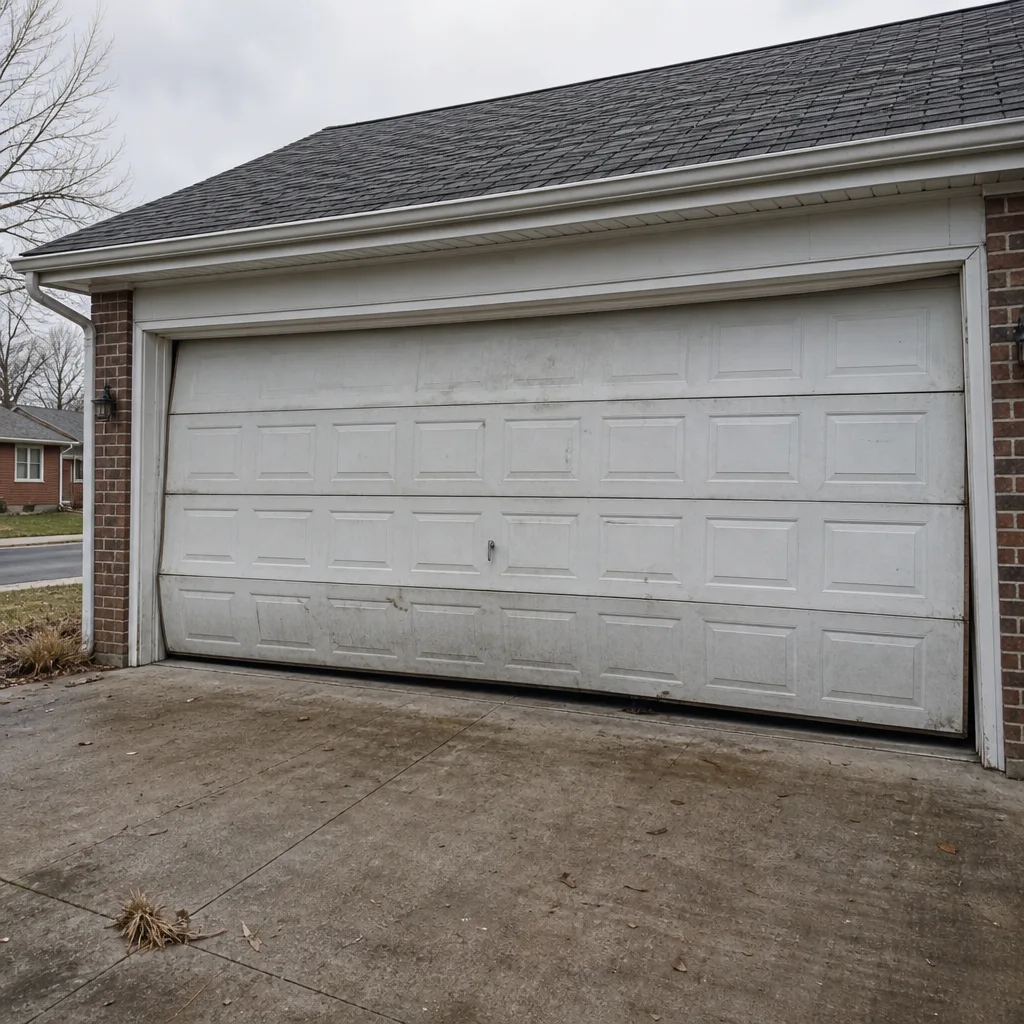 Before
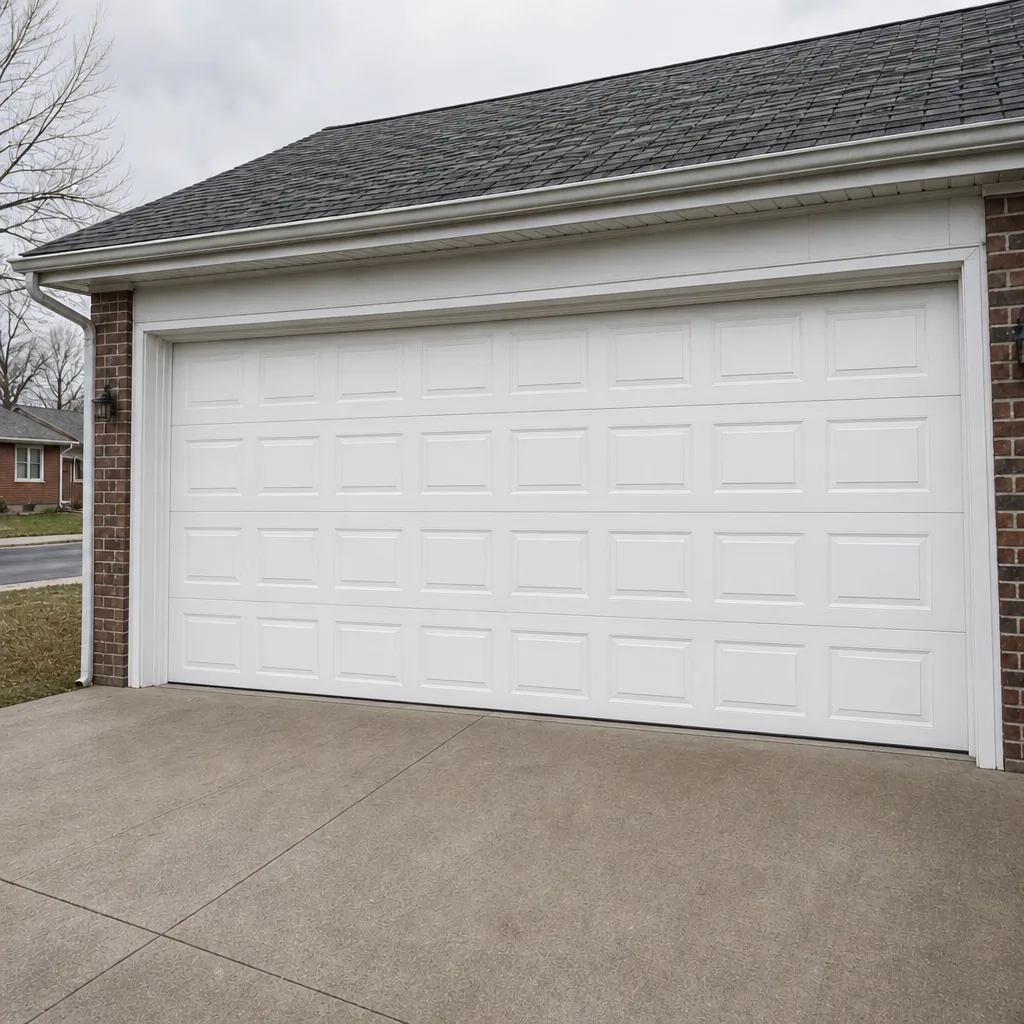 After
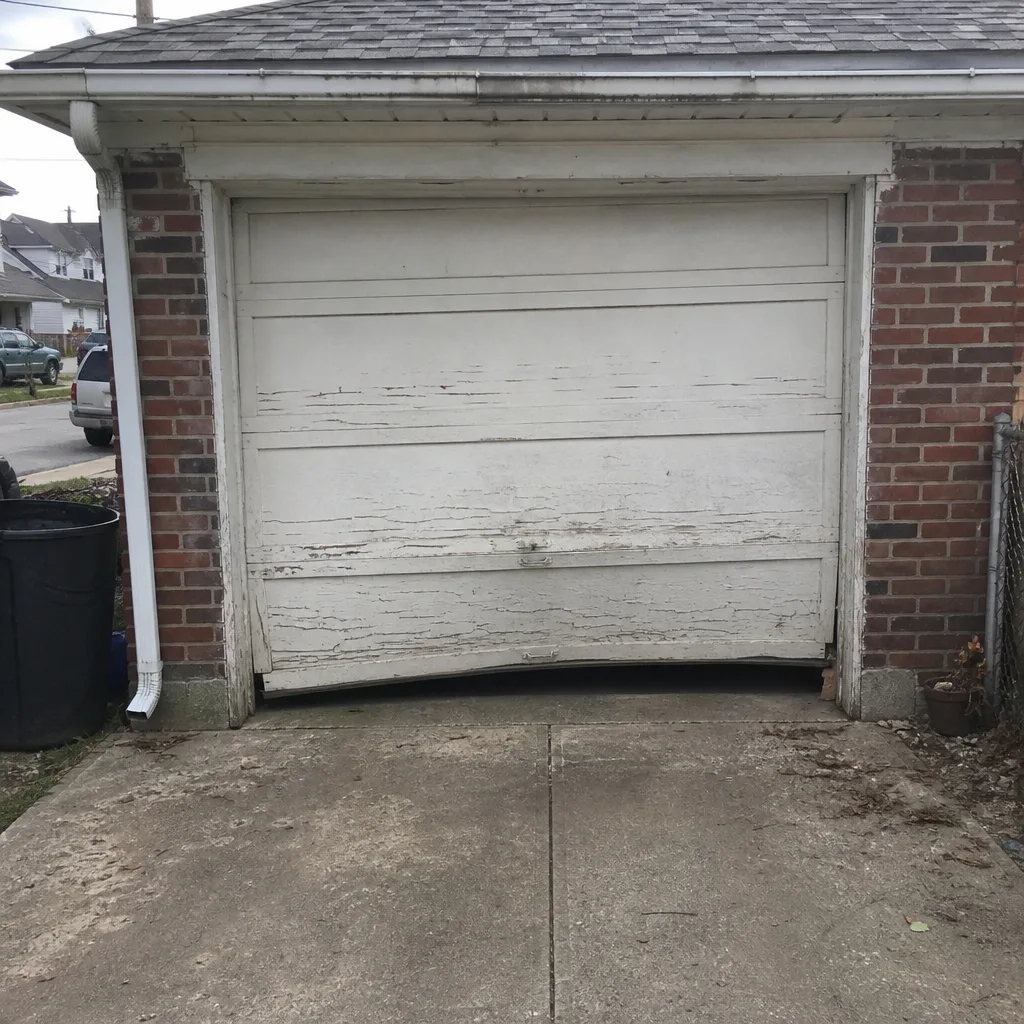 Before
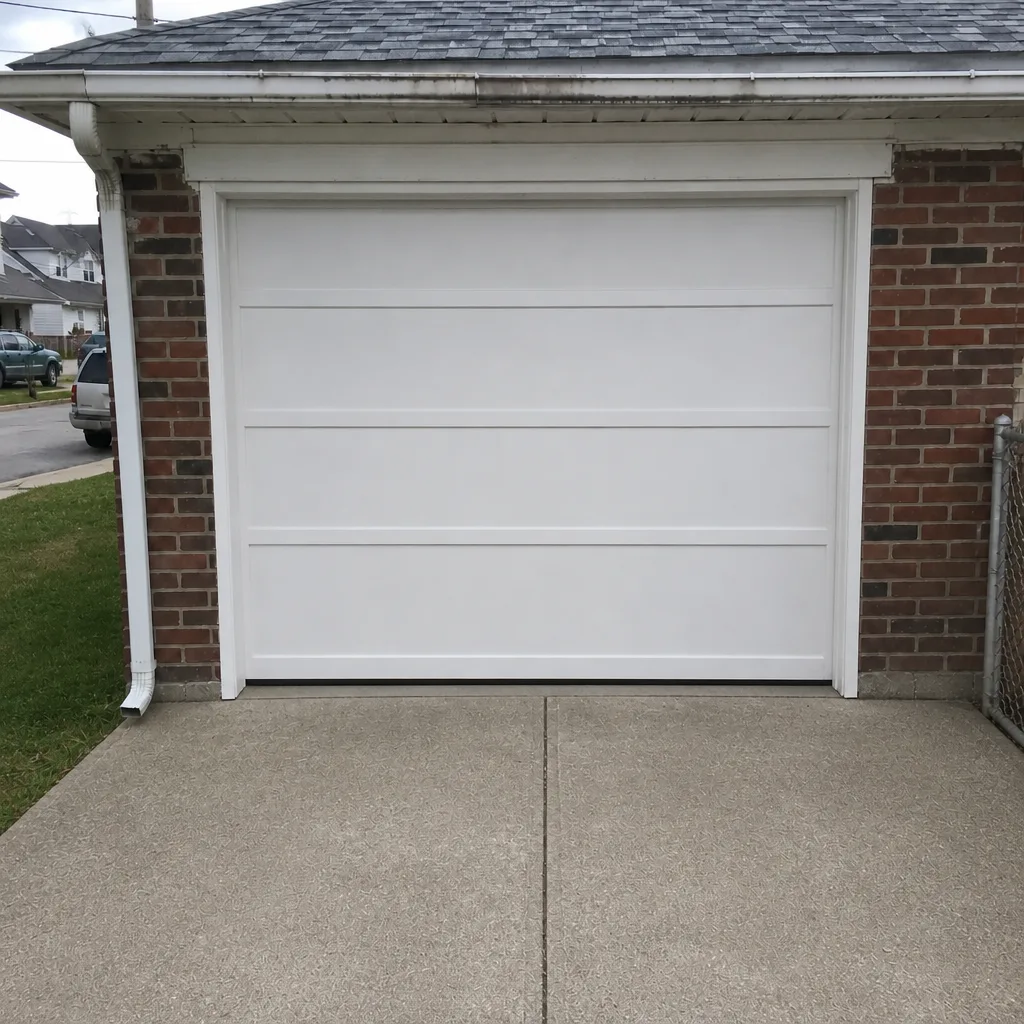 After
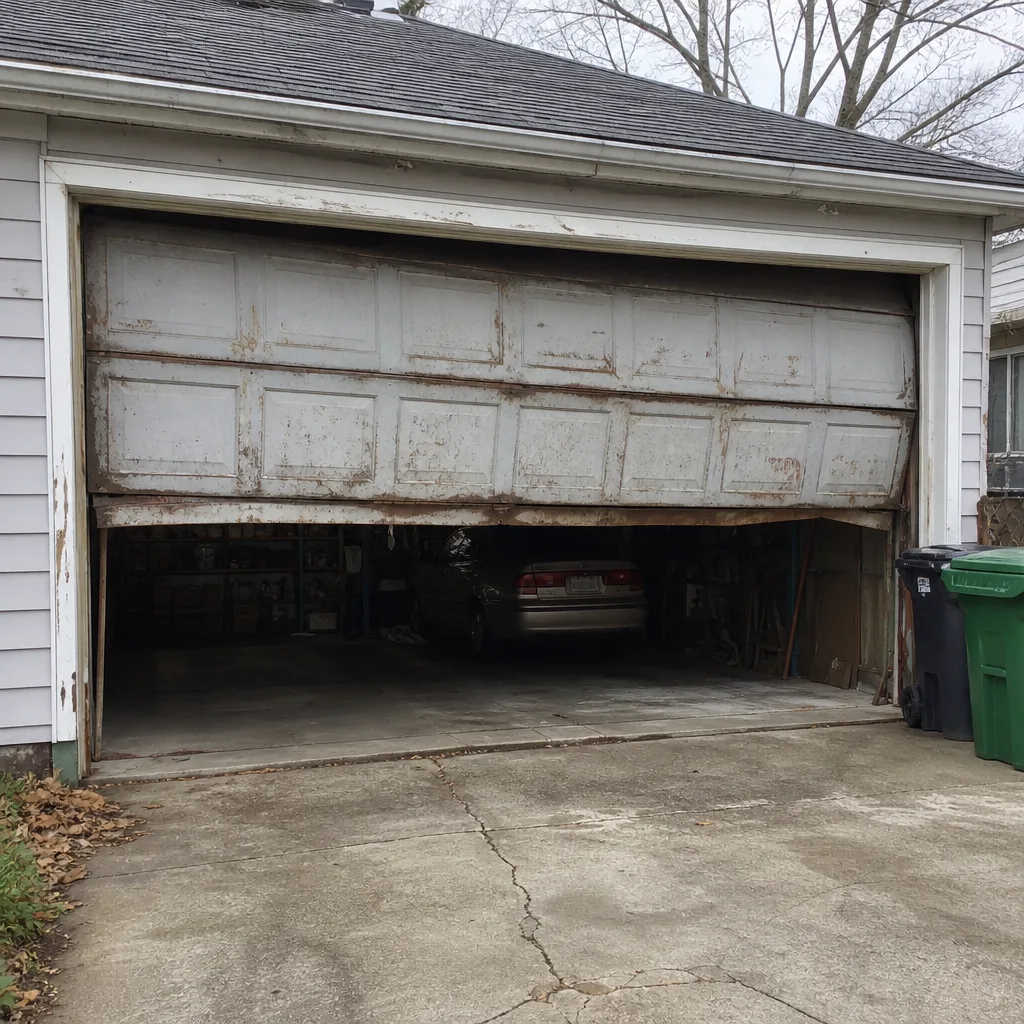 Before
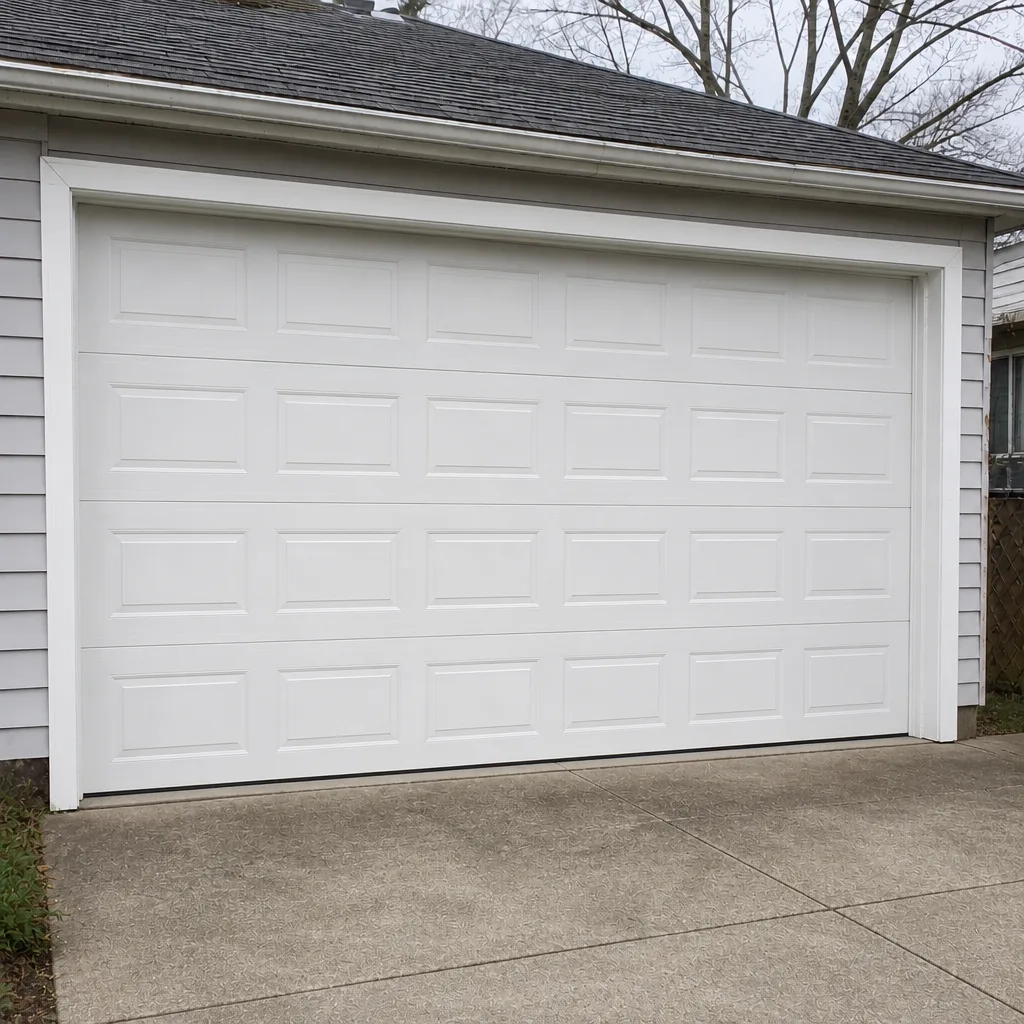 After
When to Call a Professional
Call a professional when the job involves springs, cables, track realignment, or opener internals; when the door is off its rails or won’t move at all; when the work touches structure or electrical and NYC code requires a licensed contractor; or when you’ve tried a DIY repair and it didn’t hold. If your door won’t move, that’s not a next-week problem – emergency service exists for exactly this. Sunnyside Garage Door Repair Pros offers free estimates in Sunnyside – call (833) 918-8419. We answer 24/7, with fast dispatch from 7am to 7pm, Sunday through Friday. We repair first; replacement is only recommended when repair no longer makes sense for you. The price is quoted and agreed before any work starts, so the written estimate sets the final number.
Frequently Asked Questions
No. Torsion and extension springs store enough energy to cause serious injury, and winding a spring without the right bars and training is the single most dangerous DIY repair on a garage door. This is one job that genuinely should go to a trained technician. Call (833) 918-8419 for a free estimate – estimates are free.
Yes, for certain work. New openings, structural changes, and new electrical circuits for an opener require a licensed contractor, and electrical work requires a licensed electrician. Like-for-like door replacement in an existing opening often doesn’t, but confirm with the NYC Department of Buildings before you buy. Call us if you want help sorting out which category your job falls into.
Usually yes, if it’s a single panel on a sectional door with the spring and cables in good shape. Work with the door fully closed, disconnect the opener, and have a second person help with the lift. If the panel damage came with a track bend or a cable issue, that part needs a technician. Call (833) 918-8419 for a quote on the repair side.
It can. Most manufacturers require installation or repair by a qualified technician to keep warranty coverage, and a DIY spring or opener repair on a Clopay, Amarr, Wayne Dalton, or LiftMaster system can quietly end coverage. Check your warranty terms before you start. We can tell you what the manufacturer requires for your model.
A loud bang from the garage, a door that won’t lift or is suddenly too heavy, a door that comes off its tracks, an opener that runs but doesn’t move the door, or a grinding noise during travel all point to professional repair. Don’t keep running the opener on a door that shows these signs. Call (833) 918-8419 for a free estimate – the price is quoted before any work starts.
Yes, and it often helps. Note the symptoms, get the door and opener model numbers, clear the garage, and handle the safe tasks like lubrication and sensor alignment yourself. The dangerous work stays with a technician, but a faster, more precise visit usually means a tighter estimate. Call (833) 918-8419 to schedule – fast dispatch from 7am to 7pm, Sunday through Friday, and we answer 24/7.
The Bottom Line
Garage door work isn’t one decision – it’s three. Safe tasks like panel swaps, seals, lubrication, and sensor alignment are yours to handle. Spring, cable, track, and opener work belongs with a trained technician because the stored energy and the tools involved make the risk real. And some work in New York City requires a licensed contractor whether you’d like to DIY it or not. Sort your job into the right bucket, ask yourself the honest skill check, and use the hybrid approach where it fits. When a job touches the dangerous components or the code, one call settles it.
If your door won’t move or you’ve heard that bang from the garage, don’t wait it out. Call Sunnyside Garage Door Repair Pros at (833) 918-8419. We answer 24/7, with fast dispatch from 7am to 7pm, Sunday through Friday. Free estimates, upfront pricing, and a written quote agreed before any work starts.
Written by the team at Sunnyside Garage Door Repair Pros.