
Last updated November 21, 2026
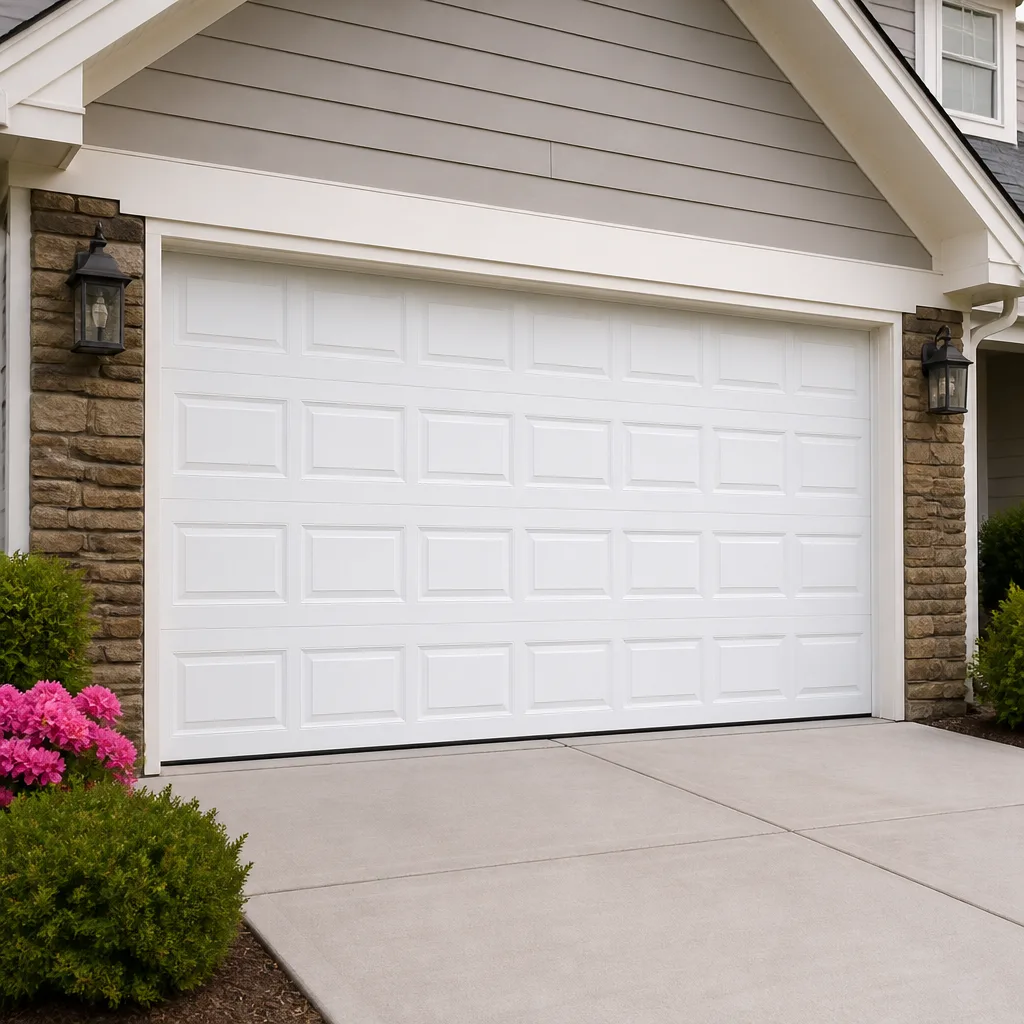 Raised-panel steel
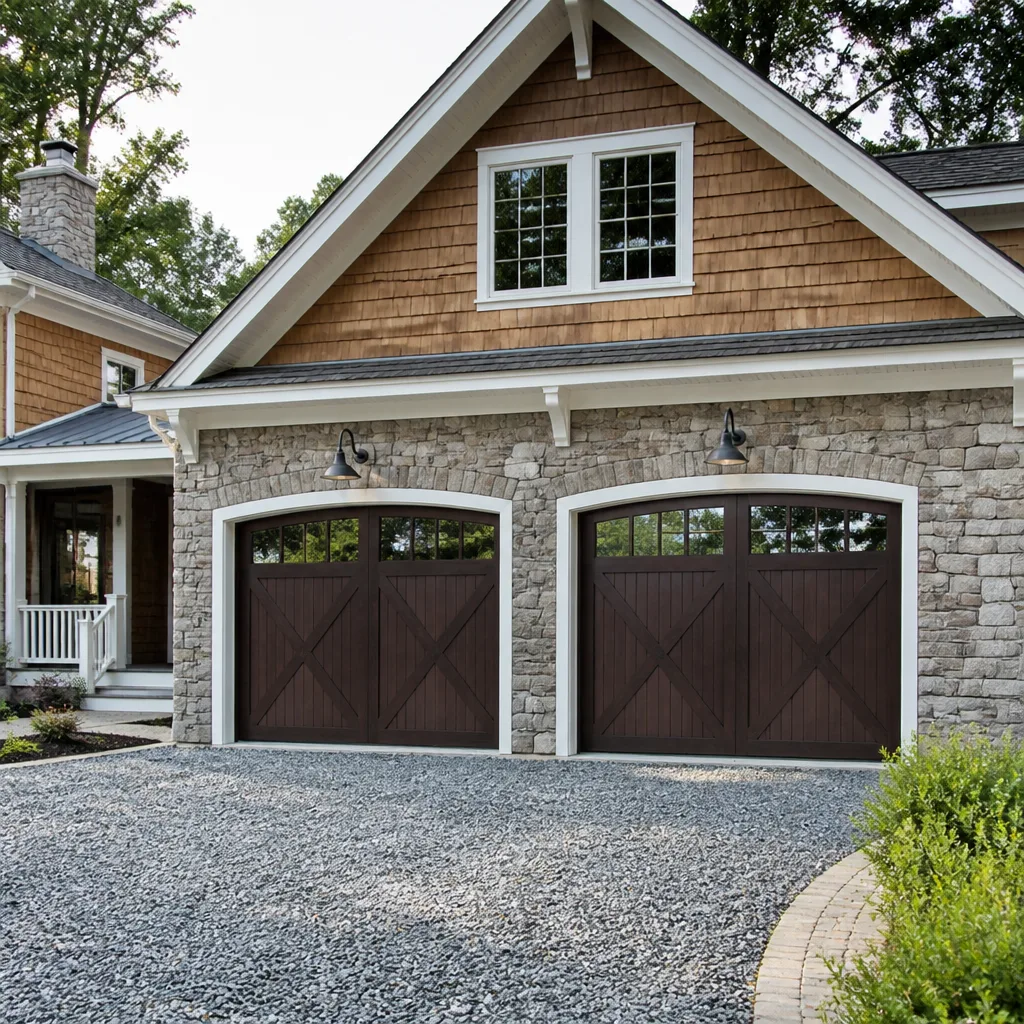 Carriage house
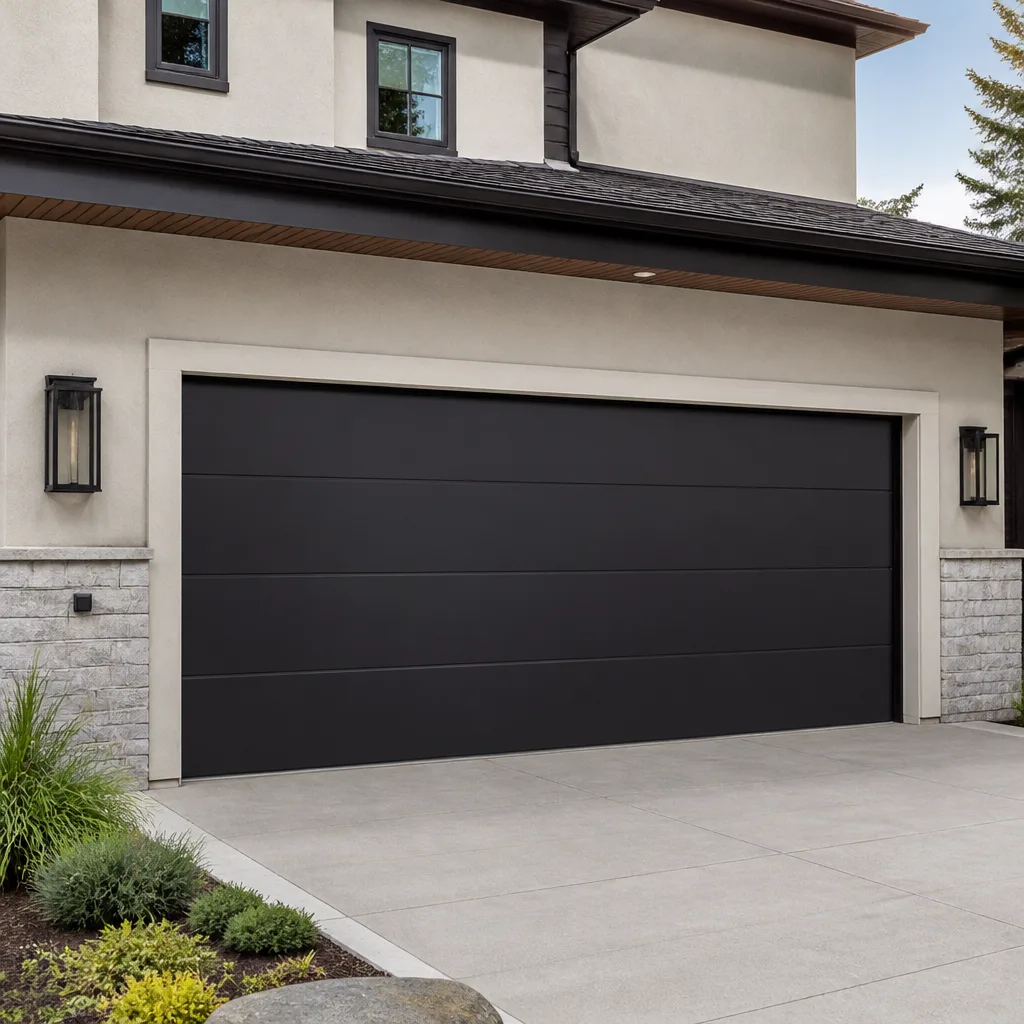 Modern flush
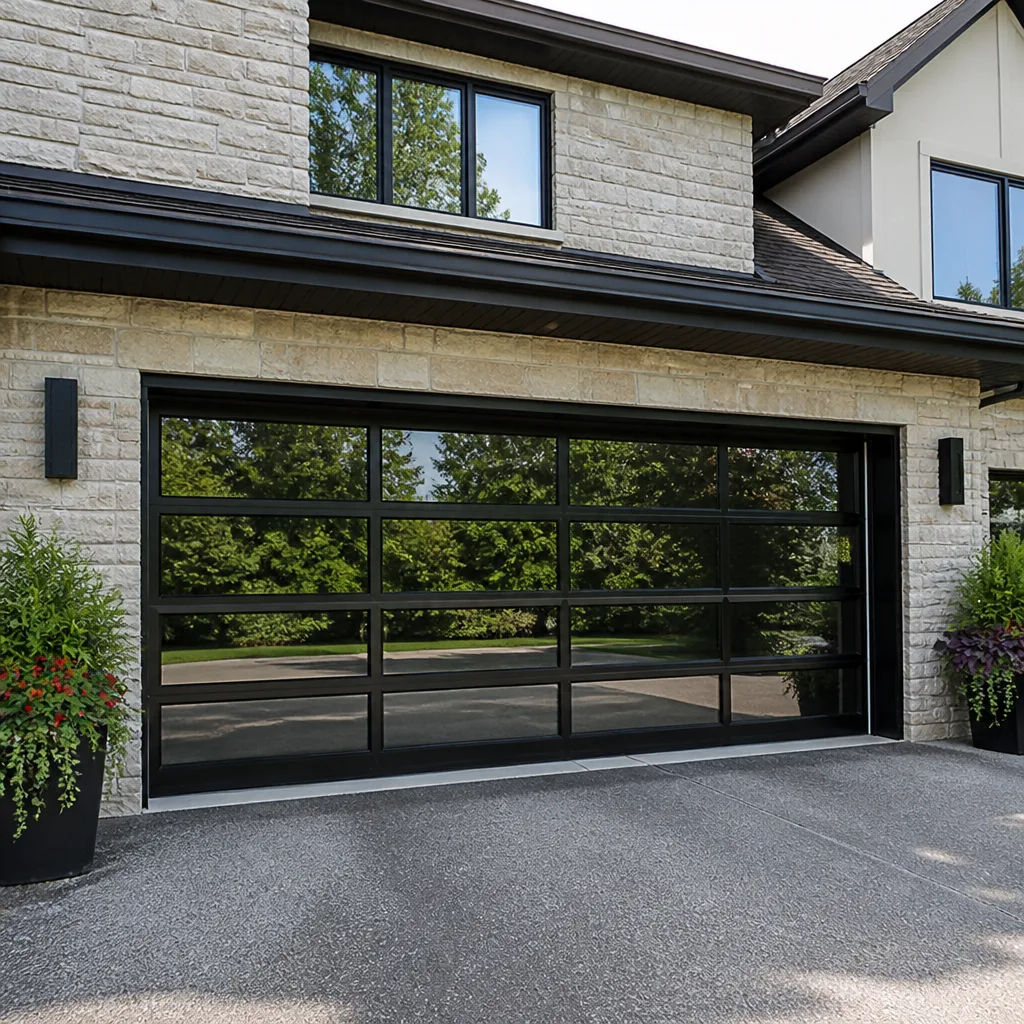 Full-view glass
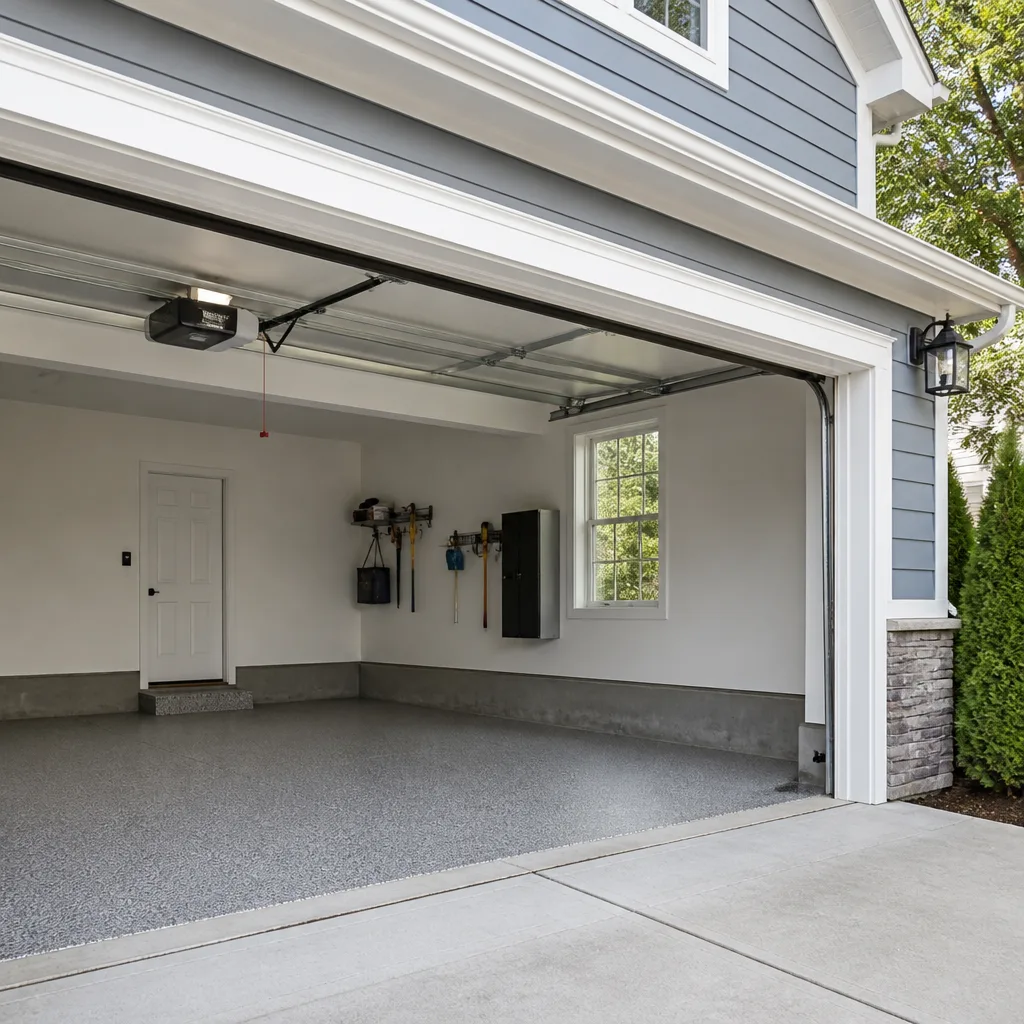 LiftMaster openers
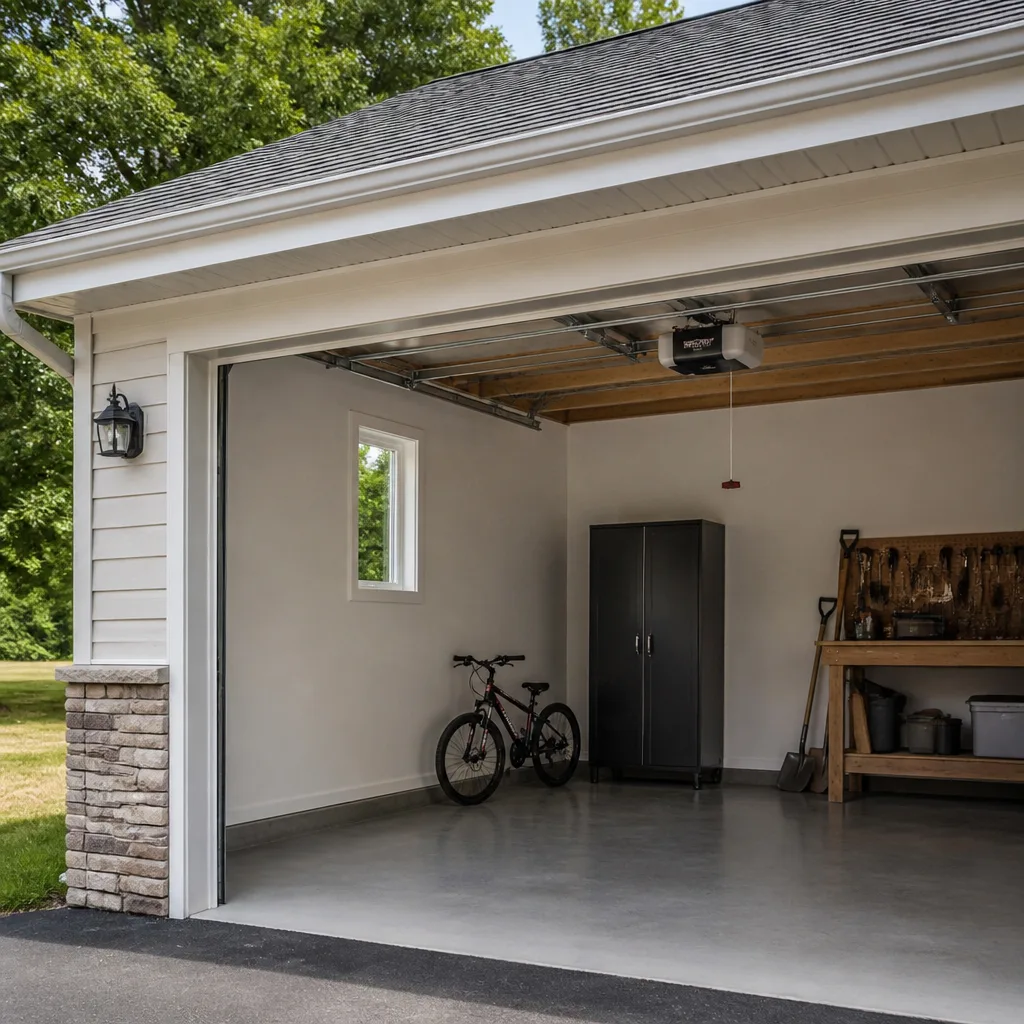 Chamberlain openers
Full 25-point door and opener safety check with every visit - springs, cables, rollers, tracks, and your LiftMaster or Chamberlain opener included
You get a price before we start. It does not change when the pro arrives.
Get your free estimateGarage Door Emergency Preparedness Guide for Sunnyside Homes
Most homeowners in Sunnyside think about their garage door exactly twice: when they buy the house and when it breaks. That’s the mistake. A door that jams half-open at 11pm in a dense Queens neighborhood isn’t the same problem as a stuck door in a driveway 40 feet from the nearest house. Here, your door is often your ground-floor entrance, your car is parked on the street or in a tight shared driveway, and a door hanging open is visible from the sidewalk. This guide walks through what to do before something fails, how to disconnect and run a dead door by hand, what to do in the first ten minutes of a real emergency, and which problems are actually urgent versus which can wait until morning. Everything here is written from Sunnyside, for Sunnyside.
Quick Answer
A garage door emergency in Sunnyside means one of four things: a snapped spring, a door off its track, a door stuck open and exposed to the street, or an opener that has failed and left the car trapped. Handle it in this order. First, make the opening secure or the car movable using the manual release. Second, call for service, not a neighbor with a ladder. Third, have your door’s make, size and the exact symptom ready when you call. Most other problems, including a noisy door, a slow door, or an opener that works from the wall switch but not the remote, can safely wait until the next working day.
Styles & brands we work with
- Raised-panel steel
- Carriage house
- Modern flush
- Full-view glass
- LiftMaster openers
- Chamberlain openers
Table of Contents
- Why Garage Door Emergencies Hit Sunnyside Homes Differently
- How to Disconnect and Operate Your Door by Hand
- The First Ten Minutes: What to Do When the Door Fails
- Interim Security When the Door Won’t Close
- Urgent or Not? Sorting Real Emergencies From Morning Problems
- What to Have Ready Before You Call
- The Pre-Emergency Prep Checklist
- Power Outages, Openers, and Your Options
Why Garage Door Emergencies Hit Sunnyside Homes Differently
Sunnyside isn’t a suburb with long driveways and space to spare. Most of the housing here is attached or semi-attached, garages sit at the back of the lot off a shared driveway or under the living space, and the front of the house is often within arm’s reach of the sidewalk. That layout changes what a garage door failure actually means. A door stuck open here exposes whatever is inside to view from the street and to anyone walking past. A car trapped behind a dead door can block a shared driveway that three other households rely on. And a door that comes off its track in a narrow alley-style driveway can leave no room to get around it.
The climate adds its own pressures. Sunnyside sees real seasonal swings: hot, humid summers and cold winters with freeze-thaw cycles that work on every metal component in the door system. Springs fatigue over thousands of cycles regardless of weather, but the seasonal temperature range here accelerates wear on cables, rollers and hinges too. Wooden door panels swell and stick in humid summer air and shrink in the dry heat of a heated winter. That’s why a door that ran fine all spring can suddenly bind in July.
There’s also the density factor. When something goes wrong at a Sunnyside address, you often can’t just leave the door half-open until a technician arrives. You have neighbors, parked cars, a shared driveway, and a living space above the garage that needs to stay secure. In our experience, Sunnyside homeowners need a plan that accounts for all three, not just “call someone when it breaks.”
How to Disconnect and Operate Your Door by Hand
Every automatic garage door has a manual release, and knowing how to use it is the single most useful piece of garage door knowledge you can carry. If the power goes out or the opener dies, the manual release lets you disconnect the door from the opener and lift it yourself. It’s also the first move in a security situation where you need to close a door whose opener has failed.
The release is a cord or lever, usually red, hanging from the trolley that runs along the center rail of the opener. On most doors it sits about six feet off the floor, roughly in the middle of the door’s width. If you don’t see one, look up at the rail itself; some openers use a lever you pull toward the door instead of a hanging cord.
- Make sure the door is fully closed first if you can. If the door is already partway up and stuck, note its position before you pull the release. Releasing a door under tension or with a broken spring can let it drop or fly up uncontrolled.
- Stand clear of the door’s path. Never stand under a door you’re about to release. If you have a helper, have them stand to the side, not in front.
- Pull the release cord straight down and toward the door. You should hear or feel the trolley disconnect from the door arm.
- Lift the door slowly, using both hands, at the bottom center or at the lift handle. A well-balanced door should stay where you leave it. If it drops as soon as you let go, stop, lower it fully, and don’t use it manually. That’s a spring or balance problem and it needs a technician.
- To reconnect, close the door fully, then pull the release cord again or run the opener until the trolley re-engages. Run the opener once and watch the door travel. If it stops or reverses, the trolley isn’t seated correctly.
One warning that matters more than any other in this section: garage door springs, cables and the bottom brackets are under extreme tension. A broken spring can be replaced by a trained technician with the right winding bars and safety protocol, but it is the one repair in home maintenance that genuinely should not be DIY. Cables and bottom brackets are just as dangerous. If the manual release leaves you with a door that won’t lift or that drops when you release it, close it if you can and call for a professional.
The First Ten Minutes: What to Do When the Door Fails
The first ten minutes after a garage door failure set the tone for the entire repair, and the right moves are simpler than most people expect. The goal is to leave the situation safe, secure and easy to describe to a technician. Work through these in order.
- Stop the door from moving. If the opener is grinding, straining, or reversing, press the wall switch to stop it and unplug the opener entirely so no one re-triggers it remotely.
- Get out from under the door. If it’s hanging at an angle or off the track, don’t stand under it and don’t try to push it back into place. Off-track doors are unstable and can fall.
- Identify what actually failed. Open the door when it’s safe and look at the springs above the door. A snapped torsion spring shows a clear gap in the coil. Extension springs, which run along the sides, will show a broken spring with a stretched or dangling safety cable.
- Decide whether the opening needs to be closed or opened for access. If your car is parked inside and you need to get out, manual release first. If the door is open and you need to secure the house, focus on closing it even if it means leaving it disconnected from the opener.
- Take a photo of the failure. A picture of the broken spring, the off-track panel or the opener error code travels faster than a description and gives a technician a head start.
- Call for service with the specific symptom, the door’s make, and the size. More on what to prepare below.
If the door has come off its track and is hanging into the driveway, don’t drive under it and don’t try to force it back. That’s an off-track door, and it’s one of the cases where you want a trained technician on site. This is where a call for garage door repair earns its keep, because the wrong move here can bend panels and turn a track adjustment into a full door replacement.
Interim Security When the Door Won’t Close
A door stuck open in Sunnyside is visible from the sidewalk, which is a different problem than the same failure in a subdivision. If the door won’t close and the house is exposed, you need interim measures that hold for the hours before a technician can get to you, without damaging the door further.
First, figure out why it won’t close. Most doors that refuse to close are stopped by the safety sensors at the bottom of each side of the door opening. If the sensors are misaligned, blocked by a broom, or clouded with dirt, the door will open, then reverse or stop. Wipe the lenses, check nothing is in the beam, and try again. This is one of the most common non-emergency causes of a door that “won’t close” and often the fix is thirty seconds of work.
If the door simply won’t close and you can’t diagnose why, these are the interim measures that hold:
- Manually lower the door by the release cord and leave it disconnected from the opener. A disconnected door can usually be pushed down by hand and stays down. Reconnect only when a technician has cleared the fault.
- Lock the door from the inside if it has manual locking hardware. Slide-latch locks or a slide bolt at the track hold a disconnected door closed.
- C-clamp the track above a roller on a door with a broken spring if the door is fully down. Only as a stopgap, and only if you’re sure the door has no stored tension. Never climb on a ladder under a suspended door to do this.
- Move anything valuable out of the garage if a panel is open to the street. If the door has been left open for a while, don’t assume nothing’s gone missing until you’ve checked.
- If you have a living space above the garage with its own entry, use that entry and lock down the garage access door. In attached-garage configurations this is often the simplest way to keep the house secure while the garage door is out of commission.
Never try to jam a piece of furniture or a heavy object against a door to hold it closed. A garage door weighs a lot more than it looks and won’t stay put against a pressure it wasn’t designed for. The right answer for a door that won’t close is either the manual release plus a lock, or a same-day call for garage door repair with the exact symptom.
Urgent or Not? Sorting Real Emergencies From Morning Problems
Half the calls we get in Sunnyside are genuine emergencies. The other half are annoying problems that would have been fine to handle the next morning. Knowing the difference saves you a night of stress and spares you a call to a technician when a curtain rod and a little patience would do. Here’s how we sort it.
Genuinely urgent: call today
- Broken spring. The door won’t open safely by hand or by opener, and any attempt to force it can damage panels. The spring itself is under high tension and not something to touch.
- Door off track or hanging. The door is unstable, potentially blocking a driveway, and a fall risk. This is the one case where nobody should be under the door.
- Door stuck open with the house exposed. In a dense neighborhood with the garage facing the street, leaving it open overnight isn’t a reasonable option.
- Car trapped inside. If you need the car to get to work, the door needs to be movable.
- Door won’t stay down after manual release. That’s a balance or spring problem, and it means someone who doesn’t know what they’re looking at could get hurt.
- Cable snapped or jumping the drum. Cables are dangerous, and a door with a damaged cable should not be operated, manually or otherwise.
Annoying but fine until the next working day
- Noisy or squeaky door. Rollers and hinges can wait. This is a maintenance issue, not a hazard.
- Opener works from the wall switch but not the remote. Dead battery, pairing issue, or a blocked receiver. You can live with the wall switch until it’s sorted.
- Door runs slow or feels stiff. Worth checking, but not a reason to call at night.
- One opener light is out, or the light doesn’t work. Cosmetic or electrical but not urgent.
- Door reverses partway every time. Usually a sensor or force-setting issue. Annoying but not a hazard once the door is closed and disconnected.
- Dented panel with no structural impact. Cosmetic unless it’s letting rain in or hanging up on the track.
When you do call for a genuine emergency, remember the price on any repair is set per job by the written estimate, agreed before work starts. The estimate itself is free. Call (833) 918-8419. We answer 24/7. Fast dispatch from 7am to 7pm, Sunday through Friday, and a call outside that window books into the next opening.
What to Have Ready Before You Call
The difference between a fast, accurate repair and a slow, frustrating one often comes down to what the homeowner can tell the technician on the phone. You don’t need to know any technical terms, but a few pieces of information help enormously. Have these ready before you call for emergency garage door service in Sunnyside.
- The exact symptom. Is the door stuck open, stuck closed, partway? Does it reverse when closing? Is it making a specific noise (bang, grind, pop, hum)? Off-track or hanging at an angle?
- The door’s make and model if you know it. Clopay, Amarr, Wayne Dalton, or another brand. The sticker on the inside of the door or on the opener usually gives you the model. If you don’t know, that’s fine; a technician can figure it out on site.
- The door type and size. Single or double, sectional, tilt-up or roll-up. A rough width and height helps with scheduling and parts.
- The opener’s make and age. Genie, LiftMaster, Chamberlain, Craftsman, or another brand. Manual or smart-compatible. Whether it works from the wall switch but not the remote.
- Whether the garage faces the street directly or sits behind the house. This changes how a technician accesses the door and whether it’s exposed to view.
- Whether the car is inside and needs to come out. If yes, tell the technician on the call so they can prioritize access.
- Whether the door is currently safe to be near. If it’s hanging or off-track, say so. Nobody should be under it.
- Whether there are young children or anyone with mobility issues in the house. This doesn’t change the price but it can change how the job is scheduled and how the interim state is handled.
Having those in hand turns the call into a two-minute exchange and gets the right technician there faster. Sunnyside Garage Door Repair Pros works across Sunnyside Garage Door Repair Pros-service-ready LiftMaster, Chamberlain, Genie, Clopay, Amarr, Wayne Dalton, Craftsman and Raynor systems, which means the exact brand on your door almost never slows down the diagnosis. If your opener is the problem rather than the door, the same number handles garage door opener repair with the same kind of call.
The Pre-Emergency Prep Checklist
The best garage door emergency plan is the one you build before anything breaks. A few minutes of prep now makes an actual emergency far easier to manage, because you’ll know where the manual release is, how to make the call, and what to tell the technician. This is the checklist we’d give any Sunnyside neighbor.
- Locate and test the manual release. Find the red cord on your opener and know what it looks like. Test it once with the door fully closed and the opener disconnected so you know how it feels. Reconnect it afterward.
- Write down the door’s make and model. Look inside the door panel for the sticker. If it’s a Clopay, Amarr, Wayne Dalton, or another brand, note the model number. Do the same for the opener. Keep it on your phone or in the garage.
- Clear the path to the track. In a tight Sunnyside garage or shared driveway, storage bins, bikes and tools tend to pile up near the door. A technician needs space to work, and a door off track needs space to be made safe. Two feet of clearance on both sides is the minimum.
- Learn to look at your springs. Know whether your door uses torsion springs (a horizontal bar above the door) or extension springs (along the sides). Just knowing which you have helps on the phone.
- Test the safety sensors monthly. Wave a hand or a broom in front of the sensors while the door is closing. If it doesn’t reverse, you’ve found a problem that can wait for a scheduled visit, not an emergency call.
- Lubricate the hinges, rollers and track twice a year. A door that’s maintained is far less likely to fail at 11pm. Ask a technician to show you the right lubrication points on a routine visit.
- Keep the garage code current and known to one other adult in the home. If your only access to the garage is through the opener and the opener dies, knowing the code or the wall switch location matters.
- Save the service number somewhere visible. (833) 918-8419. We answer 24/7. Fast dispatch from 7am to 7pm, Sunday through Friday, and a call outside that window is booked into the next opening.
- Note whether your garage is attached or detached. An attached garage with a living space above it has different security priorities than a detached one, and the interim measures in the previous section work differently for each.
- Plan the car-out maneuver. If you have one car and it’s parked inside the garage, know that manual release is your first move. If your driveway is shared, know who else relies on it so you can warn them early if a technician needs access.
Roughly ten minutes of prep covers the whole list. When the door actually fails, that ten minutes turns into “I know exactly what to do” instead of “I can’t remember how this works.”
Power Outages, Openers, and Your Options
A power outage in Sunnyside can be a half-second flicker or a multi-hour event depending on the weather. Your garage door doesn’t need to be part of the problem if you know your options. There are three that matter.
Manual release. This is the primary and universal fallback. Disconnect the door from the opener and run it by hand. Follow the steps in the manual release section above and never force a door that drops when released. If the door is a tilt-up or a heavy wooden door, get a second adult to help lift.
Battery backup openers. Most openers made in the last decade or so, including many Genie and LiftMaster models, have a battery backup option built in or available as an add-on. If your opener has one, the door will keep working for a limited number of cycles during a power cut. Check whether your opener’s battery backup is charged and functional now, not when the power goes out. If it’s dead, that’s worth replacing on a slow, quiet day.
The unplug-and-pull switch. If your opener is responding but the door won’t move, the problem is usually the safety sensors or the opener itself rather than the power. Unplug the opener and try manual release. If the door lifts and stays, the door is fine and you’ve narrowed the problem to the opener. That’s a repair call, not an emergency unless the car is trapped.
One local reality for Sunnyside: if you live in a building where the garage door is one of several units, an opener failure at one door often doesn’t affect the others, so it’s easy to assume the problem is small. It’s not if your car is inside. Get the door movable by manual release and call for service the same day if the car needs to come out.
If the opener itself has failed, the right call is garage door opener repair, not a door replacement. If the door itself is at the end of its life and the failure is structural, garage door installation may be the honest answer, but that’s a conversation for the written estimate, not the emergency call.
Common Mistakes to Avoid
- Forcing a door that’s off its track. Pushing an off-track door back into place can bend panels and turn a track adjustment into a full door replacement. Leave it, clear the area, and call for service.
- Trying to replace a spring yourself. Garage door springs are under extreme tension. This is one repair that genuinely should not be DIY, regardless of how many videos you’ve watched. The risk is a serious injury.
- Calling for an emergency over a noisy or slow door. In Sunnyside, where a call often means a technician navigating dense parking, save the emergency call for genuine access or safety problems. A noisy door can wait until morning.
- Assuming the door is fine because it opened once. A door that opens from the wall switch but not the remote, or that reverses partway, has a real problem. Don’t use it heavily until a technician checks it.
- Ignoring the manual release. In a dense neighborhood where the garage faces the street, a homeowner who doesn’t know how to manually close the door has almost no options on a night when the opener dies.
- Waiting to call when a car is trapped. If your car is inside and the door has failed, that’s the top priority. Get the door movable or get a technician out the same day.
- Not knowing your door’s brand. Sunnyside Garage Door Repair Pros works across LiftMaster, Chamberlain, Genie, Clopay, Amarr, Wayne Dalton, Craftsman and Raynor, so the brand rarely matters for repair, but knowing it helps when scheduling a specific part.
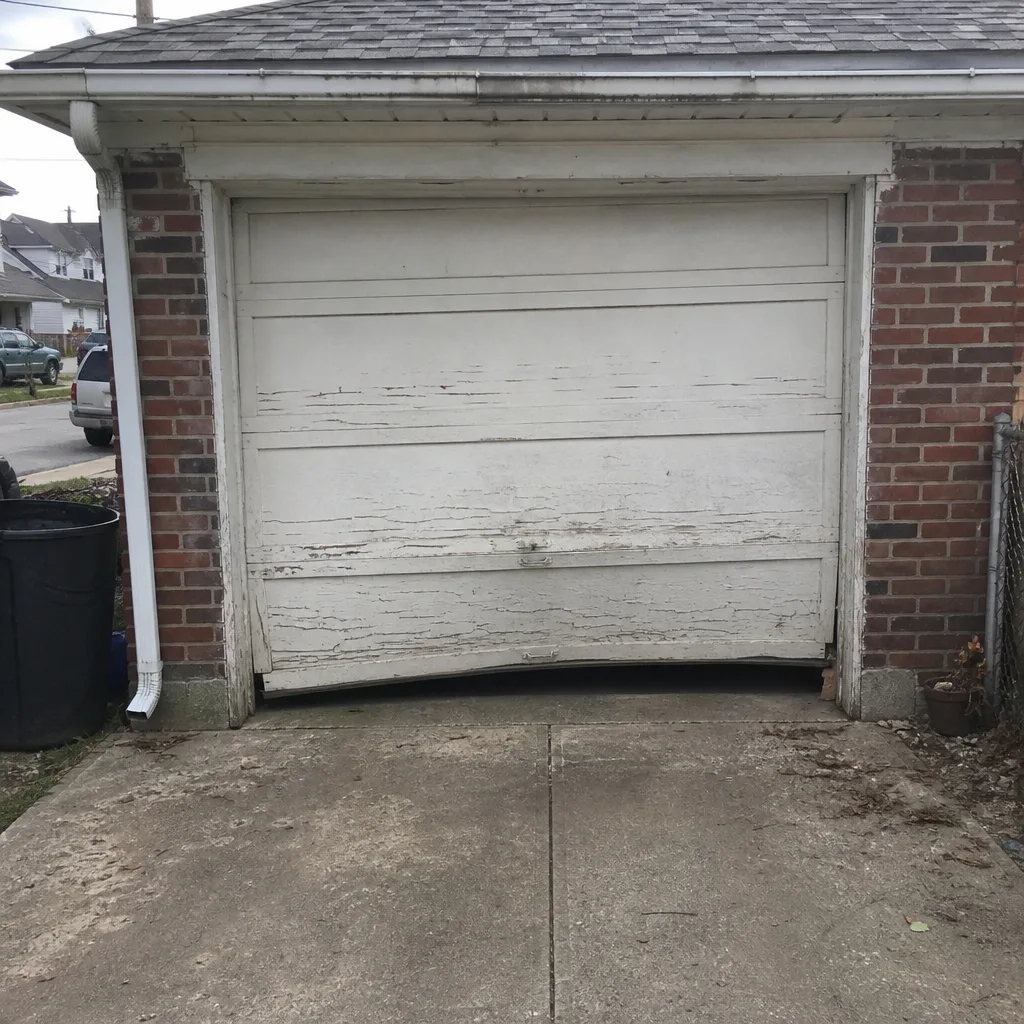
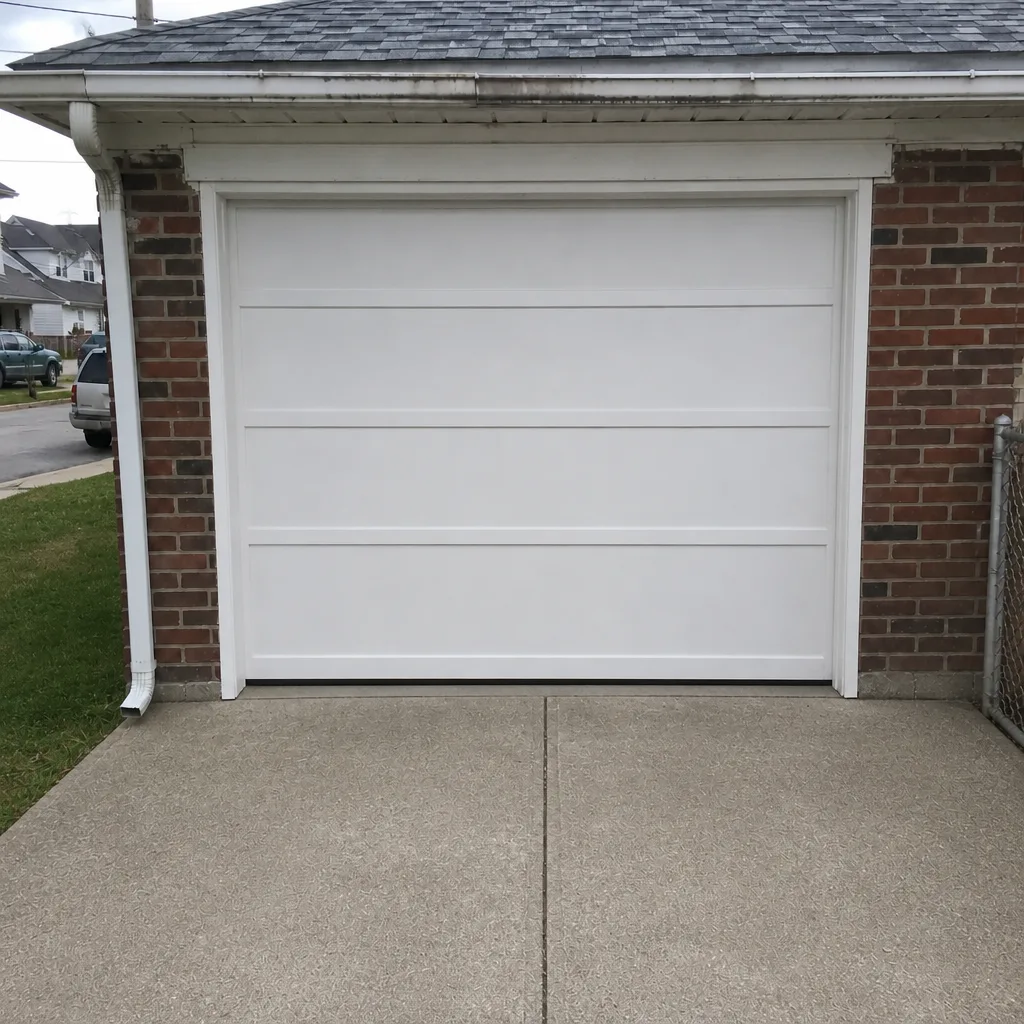
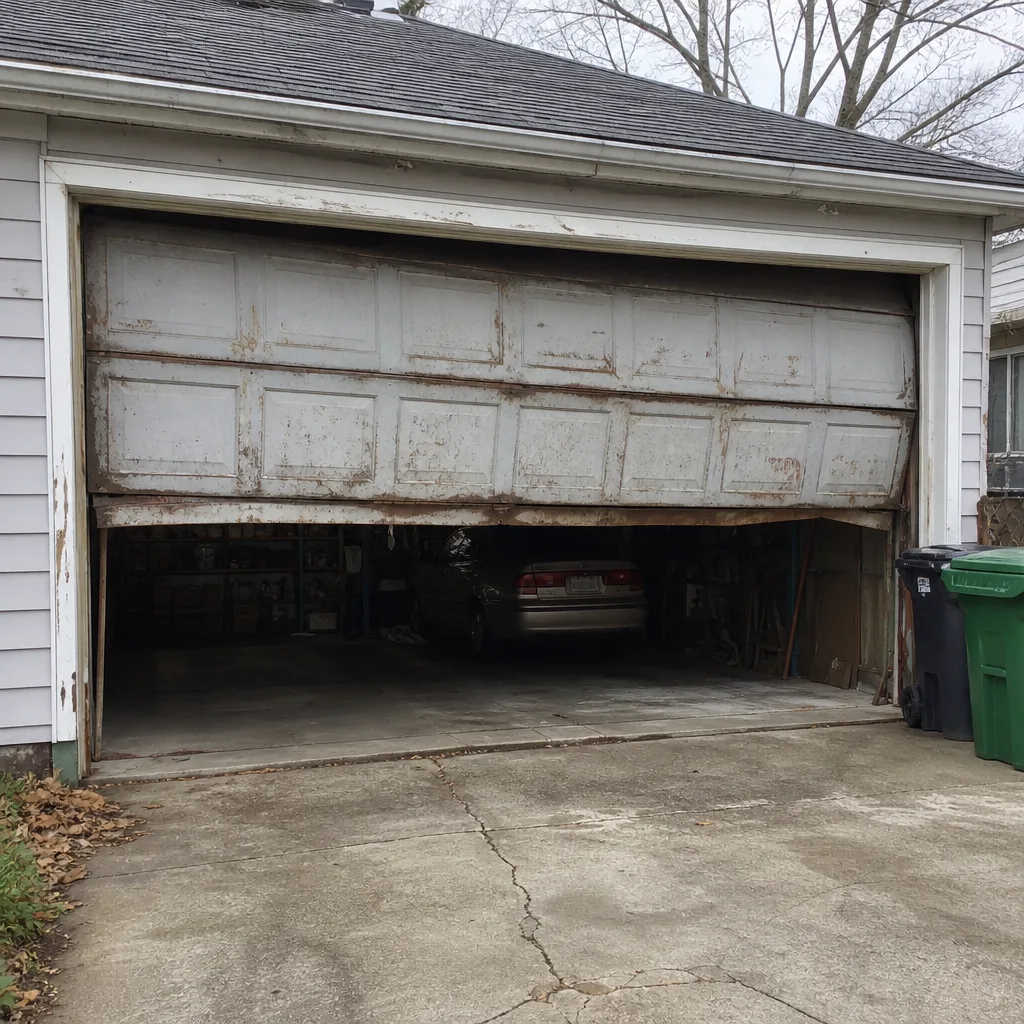
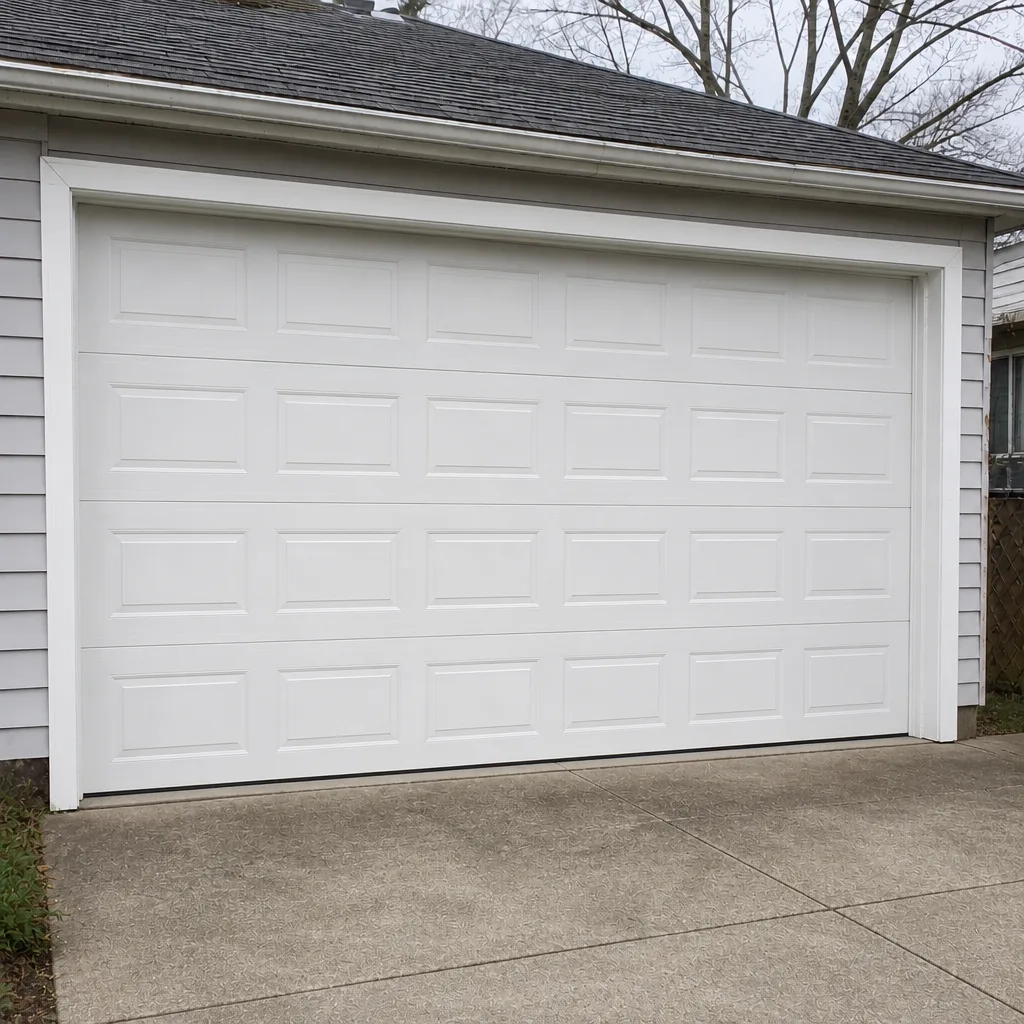
See the difference
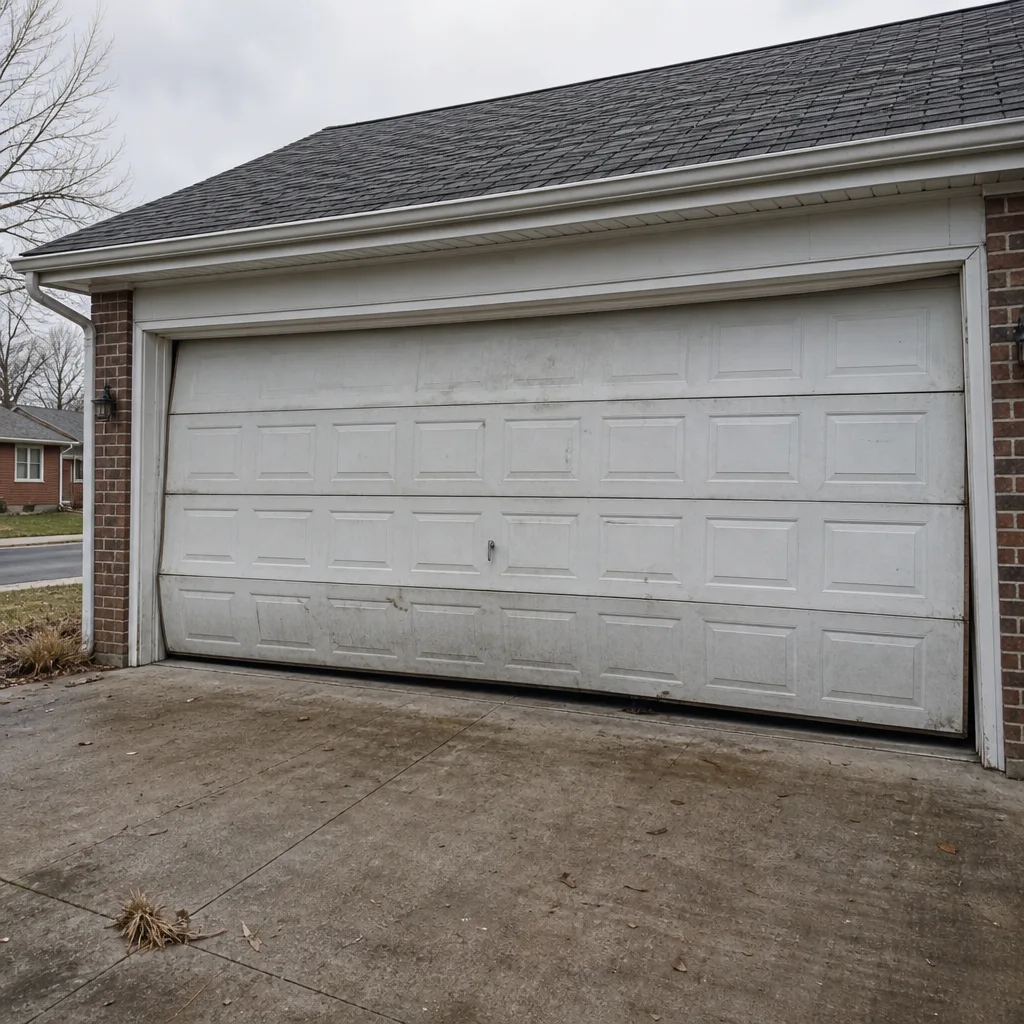 Before
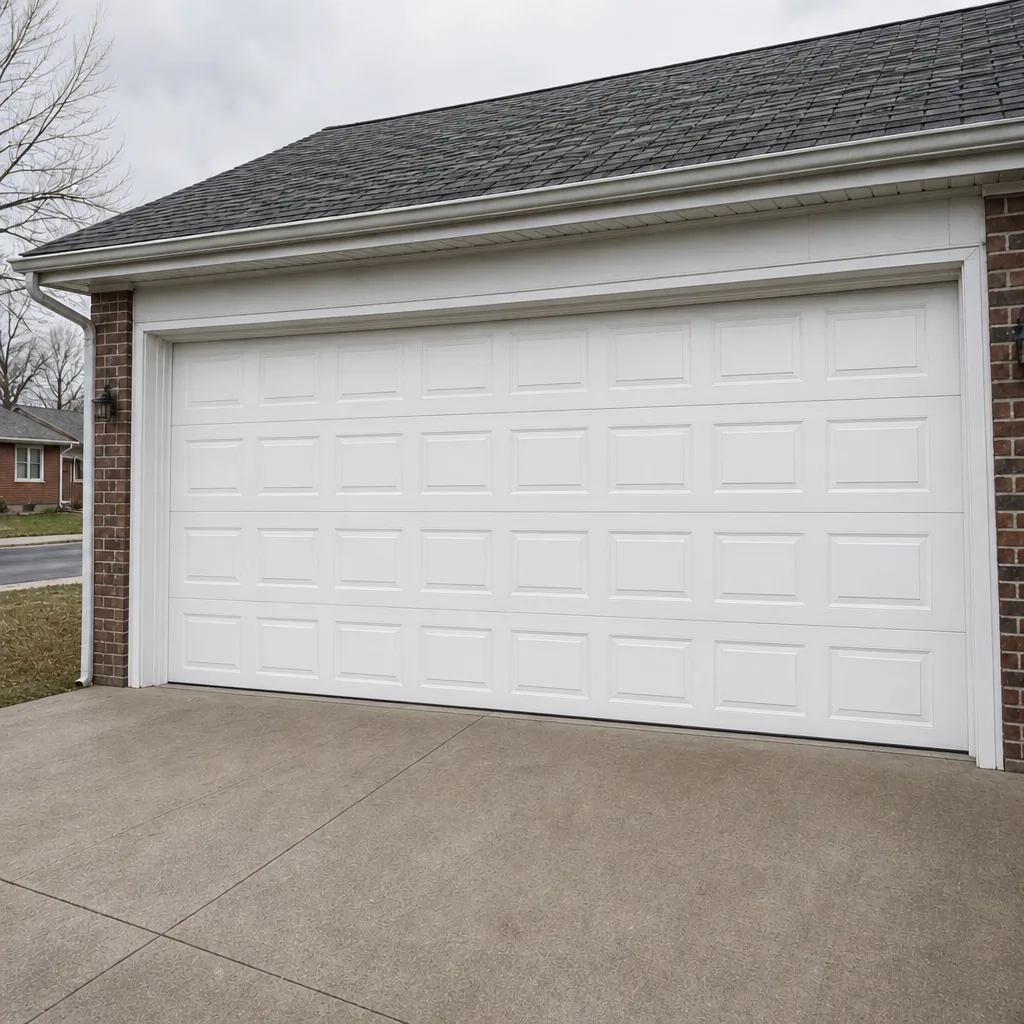 After
 Before
 After
 Before
 After
When to Call a Professional
Call a professional the moment any of these is true: a spring has snapped or looks broken, the door is off its track or hanging, a cable is damaged or has jumped the drum, the door won’t stay down after manual release, your car is trapped inside, or the door is stuck open and the house is exposed. Those are the cases where a trained technician with the right tools and safety protocol is genuinely necessary, not optional. In our experience, waiting on these tends to make the eventual repair bigger and more expensive.
For the routine problems, the ones covered by the “can wait until morning” list above, you still want a professional, but there’s no reason to treat it as an emergency. Sunnyside Garage Door Repair Pros offers free estimates in Sunnyside. Call (833) 918-8419. We answer 24/7. Fast dispatch from 7am to 7pm, Sunday through Friday, and a call outside that window is booked into the next opening.
Frequently Asked Questions
A broken spring, an off-track or hanging door, a snapped cable, a door stuck open and exposed to the street, or a car trapped inside. Those are the cases that need same-day service. A noisy, slow or intermittent door is not an emergency and can be scheduled for the next working day.
Yes, on almost every automatic garage door, using the manual release cord on the opener rail. Pull the release straight down and toward the door, then lift the door slowly with both hands. If the door drops when you let go, close it and don’t use it manually; that’s a spring or balance issue and it needs a technician.
The price is set per job by the written estimate, agreed before any work starts. There’s no separate emergency fee on our side. The estimate itself is free. Call (833) 918-8419 for an exact quote, and remember a call outside the dispatch window books into the next opening, Sunday through Friday, 7am to 7pm.
The exact symptom, whether the door is stuck open, closed or partway, whether it’s off its track, the door’s make and rough size, and whether a car is trapped inside. If you know the opener brand, tell them that too. The brand on the door almost never slows the diagnosis, because Sunnyside Garage Door Repair Pros services LiftMaster, Chamberlain, Genie, Clopay, Amarr, Wayne Dalton, Craftsman and Raynor systems.
Check the safety sensors first: they cause more “won’t close” problems than anything else, and wiping the lenses or clearing the beam often solves it. If the door still won’t close, use the manual release to disconnect the opener, lower the door by hand, and lock it if the door has manual locking hardware. Don’t wedge furniture against it. A door that won’t close and can’t be secured should get a same-day call.
Yes for most repair calls in Sunnyside, including springs, off-track doors and opener failures. Fast dispatch from 7am to 7pm, Sunday through Friday. Call (833) 918-8419 to check availability, and if you’re calling outside that window your call is answered and booked into the next opening.
LiftMaster, Chamberlain, Genie, Clopay, Amarr, Wayne Dalton, Craftsman and Raynor, across openers and doors. That breadth matters for Sunnyside homes because you’re not stuck waiting for a brand-specific dealer if your system is one of the more common types.
The Bottom Line
A garage door emergency in Sunnyside is a different problem than the same failure anywhere else in the country. Density, attached housing, the seasonal swing between humid summers and freezing winters, and the fact that your door is often the front face of your house all mean that a real plan matters. The four things this guide wants you to take away: know where your manual release is and test it once, know whether your springs are torsion or extension, know which failures are genuinely urgent and which can wait for morning, and have the exact symptom and the door’s make ready when you call. A few minutes of prep now makes the actual emergency manageable. And if the door fails tonight, call (833) 918-8419. We answer 24/7. Fast dispatch from 7am to 7pm, Sunday through Friday. Estimates are free, and the price is set per job by the written estimate before any work starts.
Written by the team at Sunnyside Garage Door Repair Pros.