
Last updated November 21, 2026
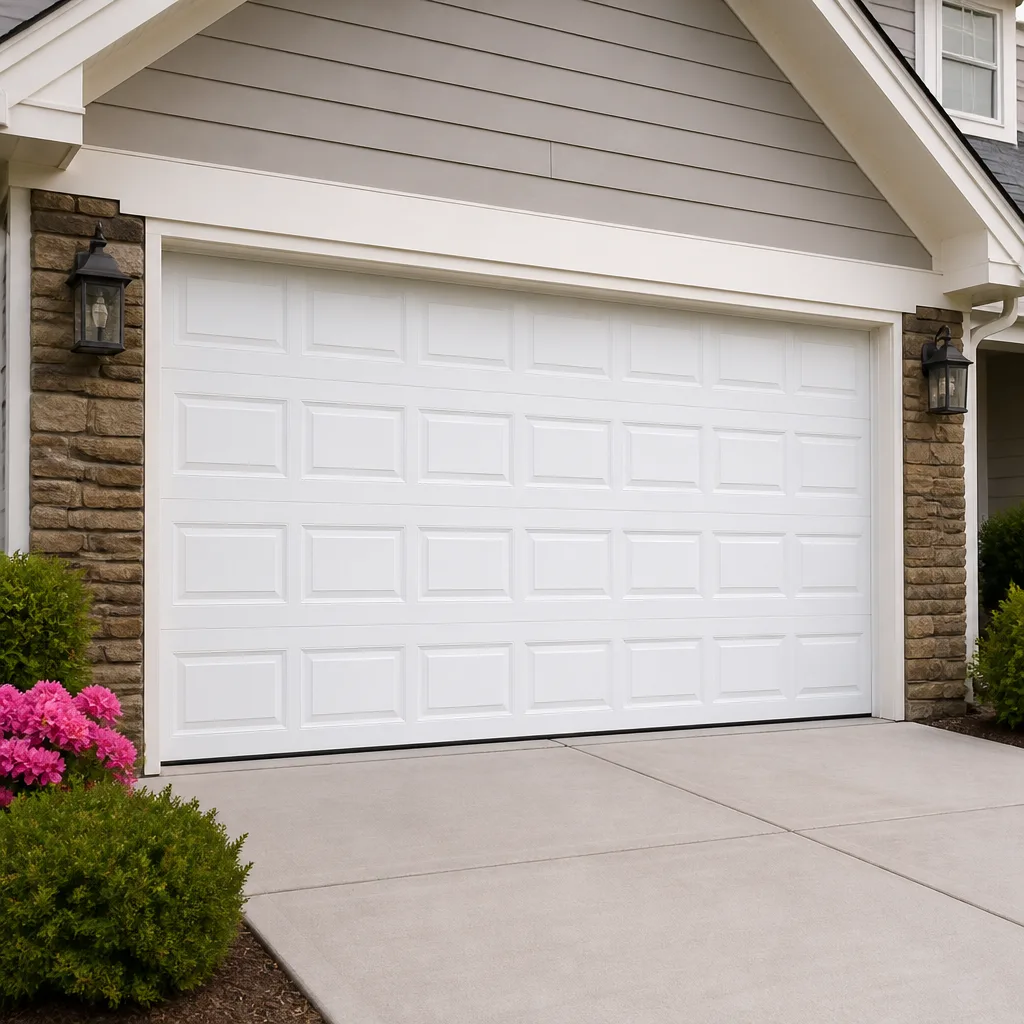 Raised-panel steel
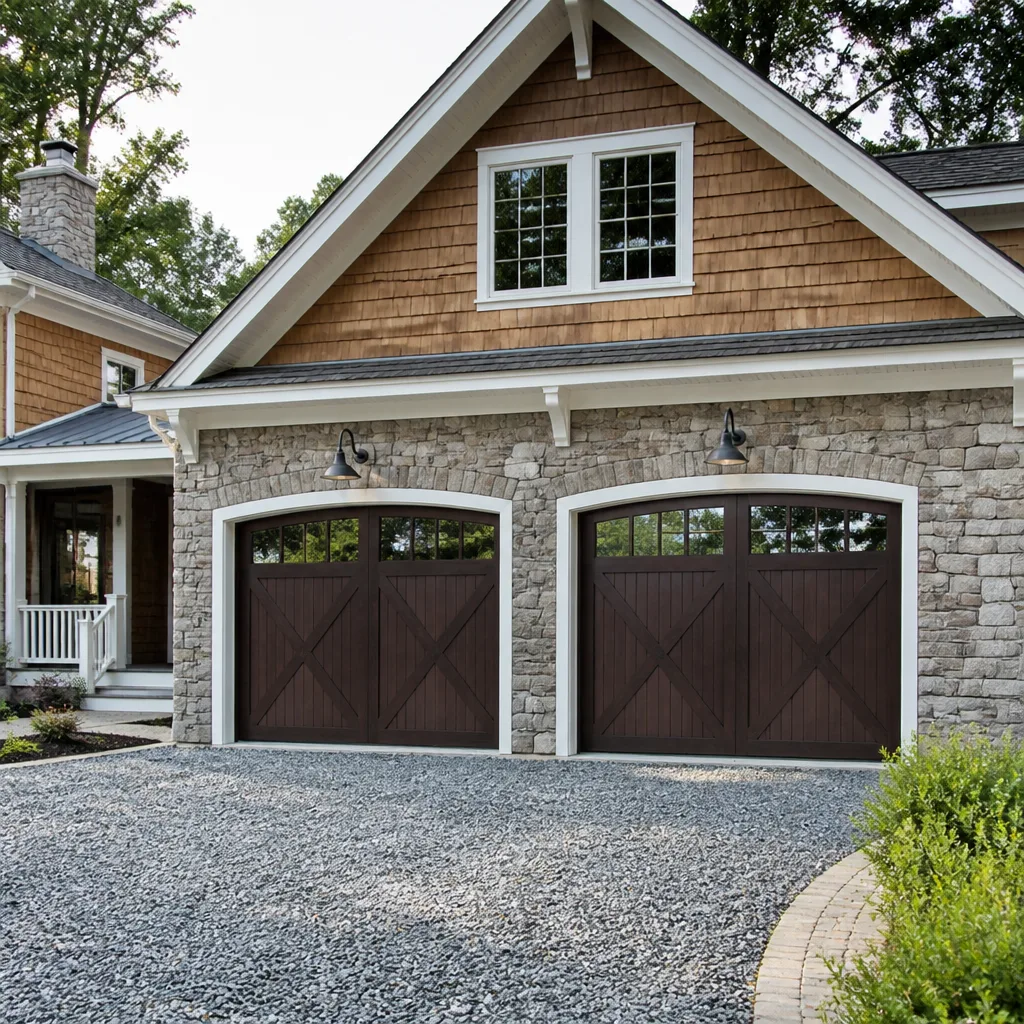 Carriage house
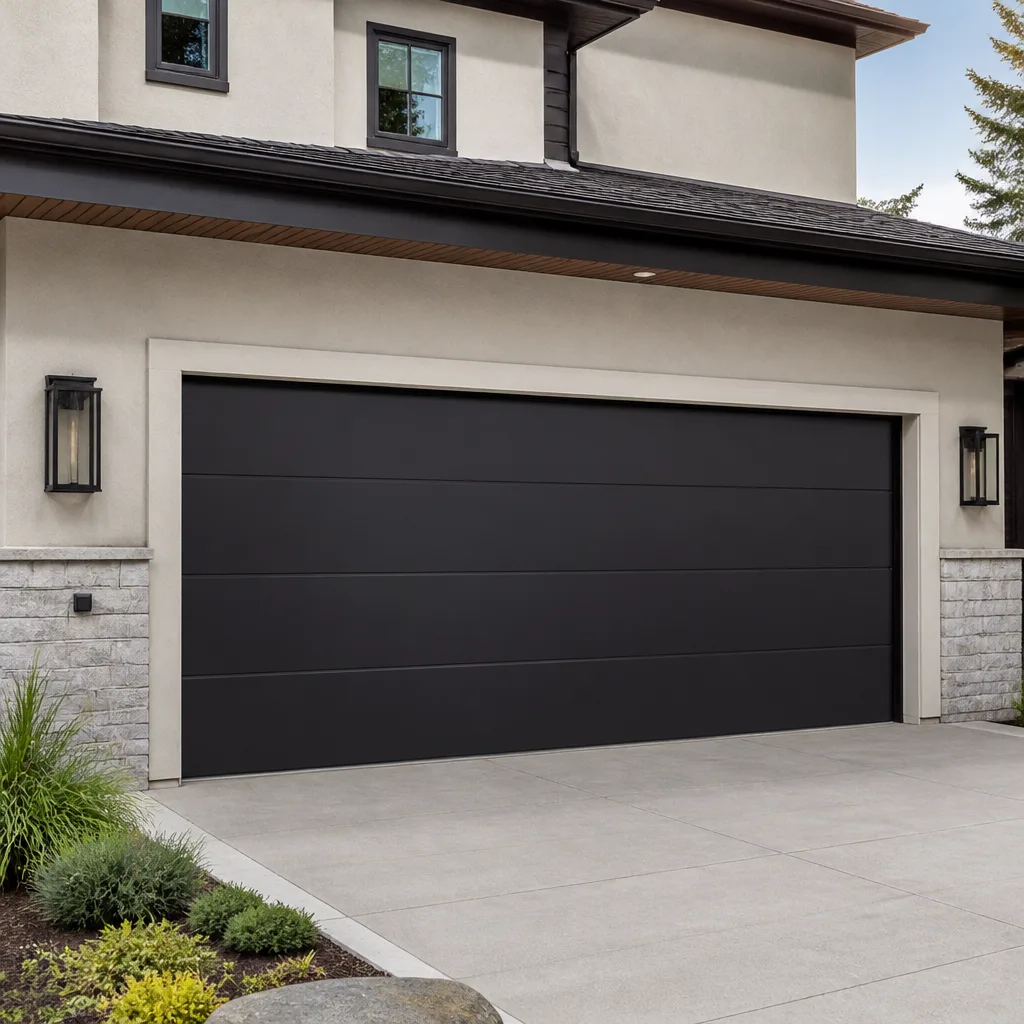 Modern flush
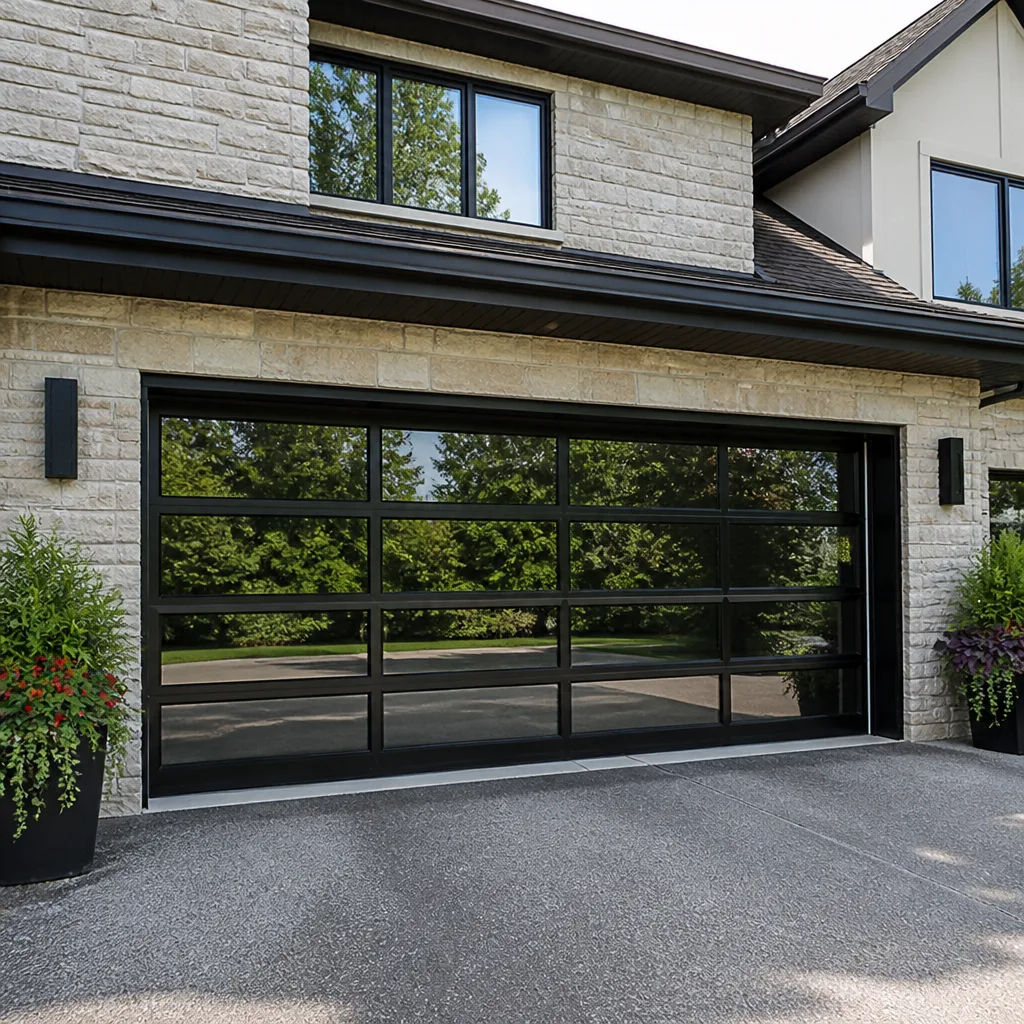 Full-view glass
 LiftMaster openers
 Chamberlain openers
Full 25-point door and opener safety check with every visit - springs, cables, rollers, tracks, and your LiftMaster or Chamberlain opener included
You get a price before we start. It does not change when the pro arrives.
Get your free estimateSeasonal Garage Door Care for Sunnyside: Year-Round Homeowner’s Guide
October is the most important month for your garage door in Sunnyside, and almost no one treats it that way. By the time January freezes your springs into failure, the window to prevent it has been closed for three months. Most homeowners here run a single annual checkup in spring and assume that covers the year. It doesn’t. Sunnyside’s seasons each put a different stress on your door, and the maintenance that matters in one quarter is nearly useless in another. This guide walks through the full calendar, quarter by quarter, so you can work with the weather instead of cleaning up after it.
Quick Answer
Seasonal garage door care in Sunnyside follows a four-quarter rhythm: fall prep against winter cold and spring-tension stress, winter attention to seals and freeze damage, a spring repair-and-correction pass, and late-summer work on ventilation, humidity, and hardware corrosion. The single highest-value month is October, when lubricating springs and hardware, tightening bolts, and adjusting the door’s balance reduces the risk of a cold-weather spring failure. Street salt and de-icing runoff from Sunnyside sidewalks wear bottom seals and hardware year-round, so a rinse-and-inspect habit after snowmelt matters here more than most guides admit.
Styles & brands we work with
- Raised-panel steel
- Carriage house
- Modern flush
- Full-view glass
- LiftMaster openers
- Chamberlain openers
Table of Contents
- Why Sunnyside’s Seasons Hit Your Garage Door Differently
- Fall: The October Prep That Prevents January Failures
- Winter: Cold, Salt, and the Seals That Take the Brunt
- Spring: Correcting Winter Damage in the Right Order
- Summer: Humidity, Heat, and Opener Venting
- The Quarterly Checklist, Quarter by Quarter
- Common Mistakes to Avoid
- When to Call a Professional
Why Sunnyside’s Seasons Hit Your Garage Door Differently
A garage door is a mechanical system made mostly of metal, and metal reacts to temperature. Torsion springs, cables, hinges, rollers, and tracks all change size, tension, and fit as the thermometer swings. In Sunnyside, those swings are sharp. A summer day can push past 90 degrees and a January night can sit well below freezing, so the same spring that was relaxed in July is pulled tight in December. That cycle repeats every year, and every cycle removes a little more of the spring’s working life.
Most garage door guides treat this as one general “weather” problem. It isn’t. Different parts of your door absorb different seasons:
- Torsion springs do most of the work and take the hardest hits from cold snaps and repeated freeze-thaw cycles.
- Bottom seals and rubber weatherstripping face salt, grit, and meltwater from the sidewalk and street in winter, then bake in summer sun.
- Wood and composite panels swell and shrink with humidity, and in a dense urban environment like Sunnyside, airflow around the door is often limited, which traps moisture longer.
- Opener electronics and motors run hotter in summer, when the door itself is stiffer and draws more force.
- Rollers, hinges, and tracks collect grit year-round and are the first to squeak or bind when they go dry.
So the right question isn’t “should I maintain my garage door?” It’s “what does my garage door need this season?” The answer changes every quarter. Your fall work is about protecting springs and hardware from cold. Winter is about seals and salt. Spring is about undoing winter damage in a sensible sequence. Summer is about heat, humidity, and the opener.
If you ever want a second opinion on what your door actually needs, Sunnyside Garage Door Repair Pros can walk through the system with you and tell you plainly what’s seasonal wear and what’s a real failure.
Fall: The October Prep That Prevents January Failures
Fall is the season people skip, and it’s the one that pays the most. October is the last comfortable window before cold sets in, and it’s the best time to catch small problems while they’re still small. The core idea: reduce friction and correct balance before the cold adds tension. A door that’s slightly off-balance in September becomes a door that strains the opener and stresses the spring all winter. A spring that’s dry and gritty in October is a spring more likely to snap in the first hard freeze.
Here’s the fall routine that actually matters. This is a check-and-adjust list, not a rebuild:
- Balance test. Pull the release handle to disconnect the opener (with the door closed or nearly closed, so the spring isn’t fully loaded), lift the door to about halfway by hand, and let go. A balanced door holds roughly where you left it. If it drops or flies up, the spring tension or the balance needs a professional look.
- Lubricate the right parts. A garage-door-rated lubricant on hinges, rollers, and the torsion spring coils reduces friction and keeps grit from grinding. Don’t use a general spray on weatherstripping or seals, since it degrades the rubber.
- Tighten the hardware. Roller brackets, hinge bolts, and track lag screws all loosen from the door’s daily vibration. A loose bracket lets the door wobble and puts uneven load on the spring.
- Inspect the springs and cables visually. Look for gaps, rust streaks, or a stretched, sagging spring. Do not touch or try to adjust them. Torsion springs are under extreme tension and can cause serious injury; this is one repair that genuinely should not be DIY.
- Test the safety reverse. Put a small object in the door’s path and confirm the door reverses on contact. Also test the photoelectric safety sensors by breaking the beam. This is a code-level safety check worth doing before winter.
- Weatherstrip the bottom seal. If the bottom seal is cracked or flattened, cold air and meltwater get in and the door can’t close cleanly against the floor. Replacement is cheap compared to the heat loss it prevents.
Why does this matter specifically in Sunnyside? Because the winters here are cold enough to stiffen springs but not cold enough that everyone is thinking about it. The door gets used every day, the cold hits a spring that was quietly wearing out all summer, and the failure shows up in January when the door won’t lift. The fall check is how you get ahead of that. If your door won’t move when it does fail, that’s not a next-week problem; our garage door repair service handles the emergency-side repairs that keep your home secure and your car accessible.
Winter: Cold, Salt, and the Seals That Take the Brunt
Winter in Sunnyside is mostly about two things: the mechanical stress of cold on metal, and the slow damage from street salt and de-icing runoff. The cold you can’t stop, but you can reduce its effects. The salt you can wash off. Most people do neither, and that’s why spring arrives with a door that grinds, sticks, or leaks.
On the metal side, cold shrinks and stiffens the spring, cable, and track. A door that felt smooth in November can feel heavy and jerky in January. Part of that is normal, but a sudden change is a warning. If the door lifts unevenly, hesitates, or the opener strains to move it, stop running the opener and get it looked at. Forcing a stiff door is how openers burn out and springs fail. A little cold-weather care helps, mainly keeping ice and snow off the tracks and from packing under the door.
On the salt side, this is where Sunnyside’s urban setting matters. Sidewalk salt and street de-icing treatments splash up onto the bottom seal, lower hinges, and track. Salt accelerates corrosion on the metal parts and breaks down rubber seals faster than plain weather does. Public sidewalks next to your driveway get treated more than a suburban driveway would, and runoff carries it straight to your door. The practical habit:
- After snowmelt, rinse the bottom seal, the lowest hinges, and the lower track with plain water to keep salt from sitting on the metal.
- Wipe down the hinges and check for rust or white corrosion starting, because early rust is easier to stop than advanced rust.
- Inspect the bottom seal and threshold for cracks; a worn seal lets salt-water in where it does the most damage.
- Keep the tracks clear of packed snow and ice, but never chip ice off with a sharp tool that can gouge the track or the door.
If you notice the door dragging, a lifting cable fraying, or a spring that looks like it’s stretching, that’s a signal to garage door opener repair territory as much as the spring itself, because a strained opener is often the first thing to quit. We work on nearly every major brand, including Wayne Dalton and Raynor systems, so a strained or failing opener doesn’t mean waiting on a brand-specific dealer. Left alone, a winter-stressed system often turns into the spring failure every spring, which is exactly what the next section is about.
Spring: Correcting Winter Damage in the Right Order
Spring is cleanup season, and the order matters. The mistake is to start with the cosmetic stuff (cleaning, painting, replacing the seal) and leave the mechanical issues until something fails. Do it the other way. Winter wear compounds, and a small misalignment or a stressed spring gets worse the more the door runs.
Work through these in sequence, because each step tells you whether the next one is even needed:
- Re-run the balance test you did in fall. If the door no longer holds position, the spring tension has changed over winter. This is a professional adjustment, not a homeowner one.
- Check the springs and cables for winter damage. Rust, stretch, and fraying all show up by spring. Don’t touch them yourself; call someone trained to work on high-tension parts.
- Check the tracks and rollers. Winter grit and any impact can nudge a track out of alignment, and a bent roller binds the whole door.
- Inspect the bottom seal and weatherstripping for salt damage and cracks, and replace if worn.
- Clean and lubricate the moving parts again after the winter grime is gone, using the same door-safe lubricant.
- Test safety features one more time, both the reverse-on-contact and the sensor beam.
That’s how you address winter damage before it turns into a structural problem. A misaligned track that binds a roller puts extra load on the spring; that load is what ends spring life early. A worn bottom seal lets moisture reach the door’s base and the threshold. Correcting the mechanical problems first, then the seals and cosmetics, keeps you from hiding a problem behind a clean-looking door.
If the balance and spring checks turn up something, that’s the moment to decide repair versus replacement. From a grinding opener to a full door replacement, our garage door installation service covers the full lifecycle, so you don’t have to shop around for multiple contractors. We repair first, and recommend replacement only when repair no longer makes sense for you.
Summer: Humidity, Heat, and Opener Venting
Summer is where urban doors take a different beating than suburban ones. In a dense neighborhood like Sunnyside, garages often get less airflow, and the combination of high humidity and limited ventilation is harder on wood and composite panels than dry heat would be. Wood swells with moisture; composite panels can warp or delaminate if they stay damp. The fix isn’t complicated: it’s about keeping air moving and keeping moisture away from the door itself.
On the panels, check for signs of swelling, sticking panels, or finish blistering. If your garage gets damp, a dehumidifier or better venting during humid stretches helps a door last. If you have a wood door, a repaint or reseal cycled once a year protects the surface, and summer is the season to do it, before fall.
But the sleeper issue is the opener. Summer heat makes a garage hotter than the outdoor air, and an opener that runs on a stiff door in a hot garage works harder than it needs to. That’s why the most common September service call in the area is, in our experience, a dead or straining opener that was cooked by summer heat and an out-of-balance door. Two small habits head that off:
- Let the opener breathe. Keep the unit’s housing clear and give the opener room to vent. A cramped, sealed mount traps heat.
- Don’t fight a heavy door with the opener. If the door is heavier than usual, fix the mechanical source instead of letting the opener force it. Heat plus load is the combo that kills a motor.
- Watch for a grindy or strained sound from the opener, especially on hot days. That’s a warning, not a normal sound.
If your opener’s already complaining, garage door opener repair is the route, and most openers don’t need replacing; keeping the existing hardware working is usually the cheaper and simpler path. We cover LiftMaster, Chamberlain, Genie, and Craftsman openers as well as the door side, so it’s a single call for both.
The Quarterly Checklist, Quarter by Quarter
Here’s the whole calendar in one place, in the order to do it. The point is the mix: fall is preventive, winter is protective, spring is corrective, summer is about heat and humidity.
Fall (October) – preventive
- Balance test; note whether the door holds or drops
- Lubricate hinges, rollers, and spring coils with a door-safe lubricant
- Tighten loose bolts, brackets, and lag screws
- Visual inspection of springs and cables (no touching)
- Test reverse-on-contact and the sensor beam
- Check and replace the bottom weather seal before cold
Winter – protective
- Keep tracks clear of packed snow and ice
- Rinse salt and de-icing runoff off the bottom seal and lower hardware after snowmelt
- Watch for dragging, hesitation, or a straining opener, and stop using the opener if the door feels heavy
Spring – corrective
- Re-run the balance test
- Check springs and cables for rust, stretch, or fraying
- Check tracks and rollers for alignment
- Inspect and replace the bottom seal if salt-damaged
- Clean and re-lubricate the moving parts
- Re-test all safety features
Summer – heat and humidity
- Look for swelling or warping panels, especially on wood or composite
- Check airflow and ventilation in the garage
- Reseal or repaint wood surfaces if needed
- Keep the opener vented and listen for strain
- Fix the door’s balance rather than letting the opener force a heavy door
If you’d rather not track all this yourself, a quick annual check-in works well: do the preventive list in October and the corrective list in spring, and spot-check in between. Our technicians have up to 14 years of experience, and a free estimate will tell you whether anything in the checklist has actually turned into a needed repair. Call (833) 918-8419 to set that up.
Common Mistakes to Avoid
- Skipping the October check. It’s the single most common mistake we see in Sunnyside. By January, you’re dealing with a failure instead of preventing one.
- Treating the garage door as a once-a-year task. Fall, winter, spring, and summer each need different work. A single spring checkup leaves the seasonal vulnerabilities untouched.
- Lubricating with the wrong product. A general spray can gum up the mechanism or degrade the weatherstripping. Use a door-safe lubricant and keep it off the seals.
- Ignoring salt and de-icing runoff. Small salt damage builds quietly on the bottom seal and lower hardware. A rinse after snowmelt takes a minute and prevents a lot of corrosion.
- Forcing a heavy door with the opener. The opener is there to lift a balanced door, not to fight a heavy one. Heat plus load is the fastest way to a dead motor.
- Adjusting springs or cables by hand. Torsion springs sit under extreme tension and cause serious injury. This is the one maintenance task to leave to trained technicians.
- Replacing hardware that only needed repair. A grinding opener or a sticking door often just needs service, not a new unit. Repair first; replace only when repair doesn’t make sense.
See the difference
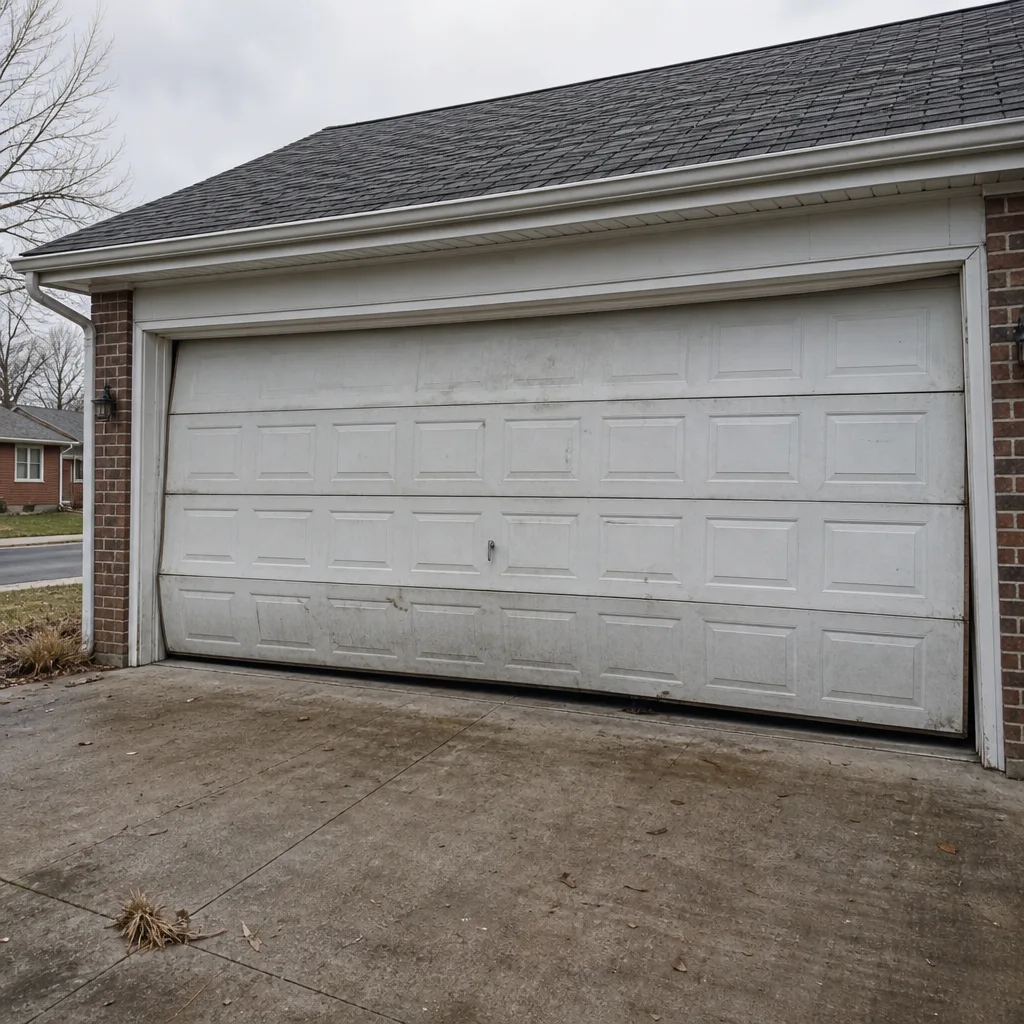 Before
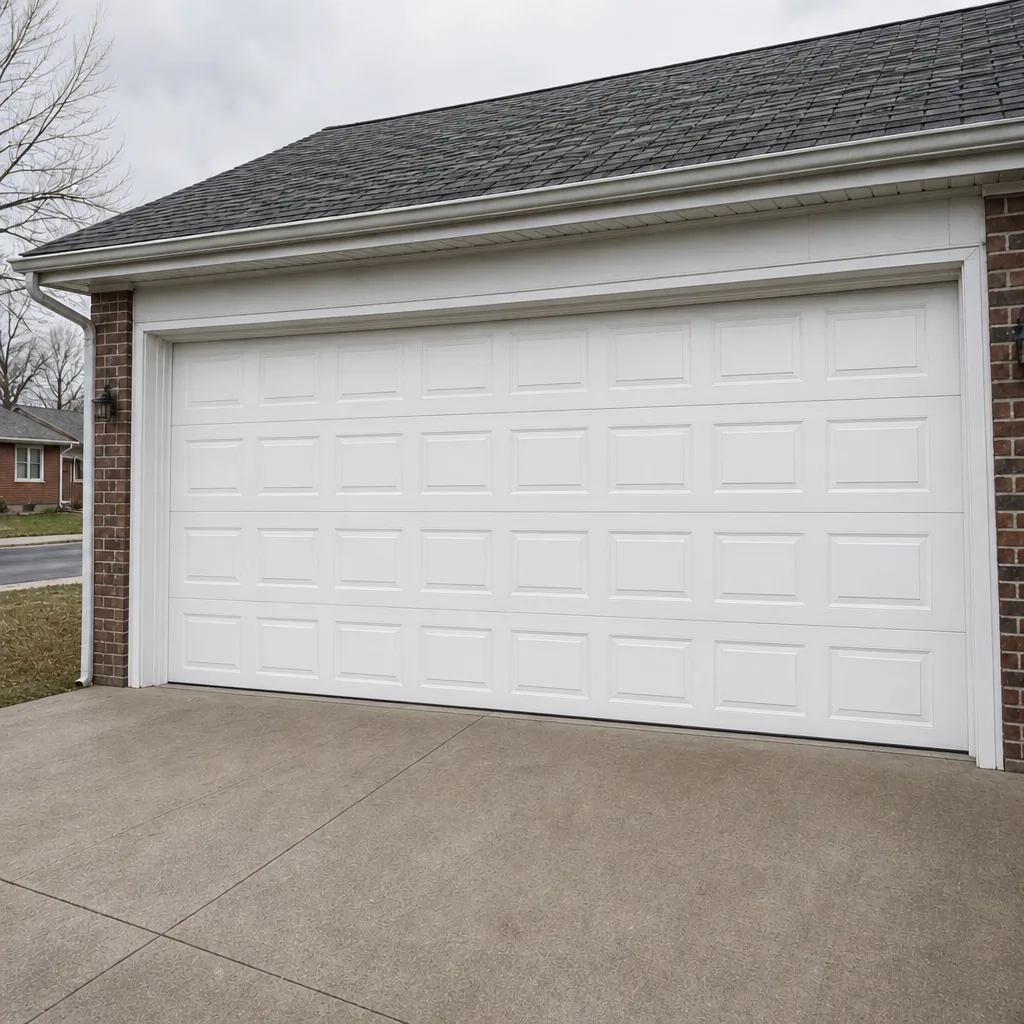 After
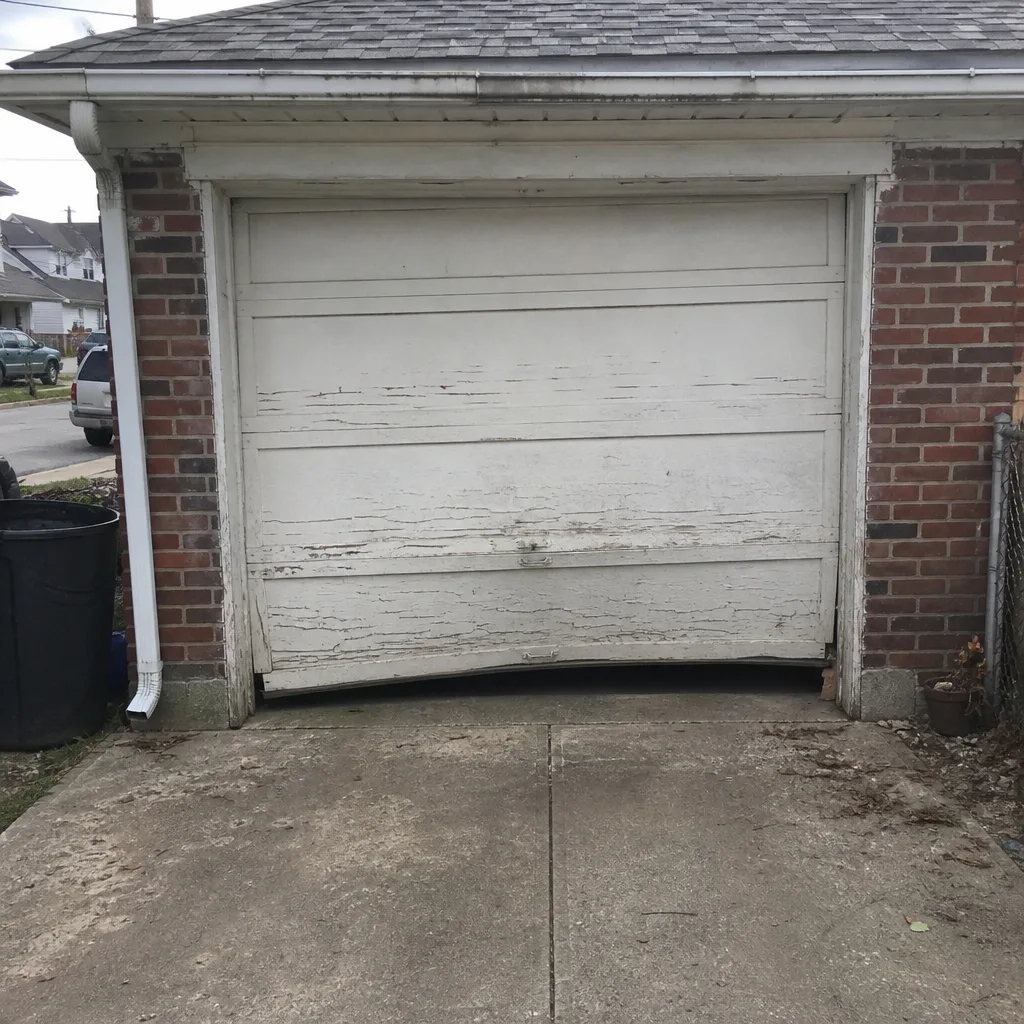 Before
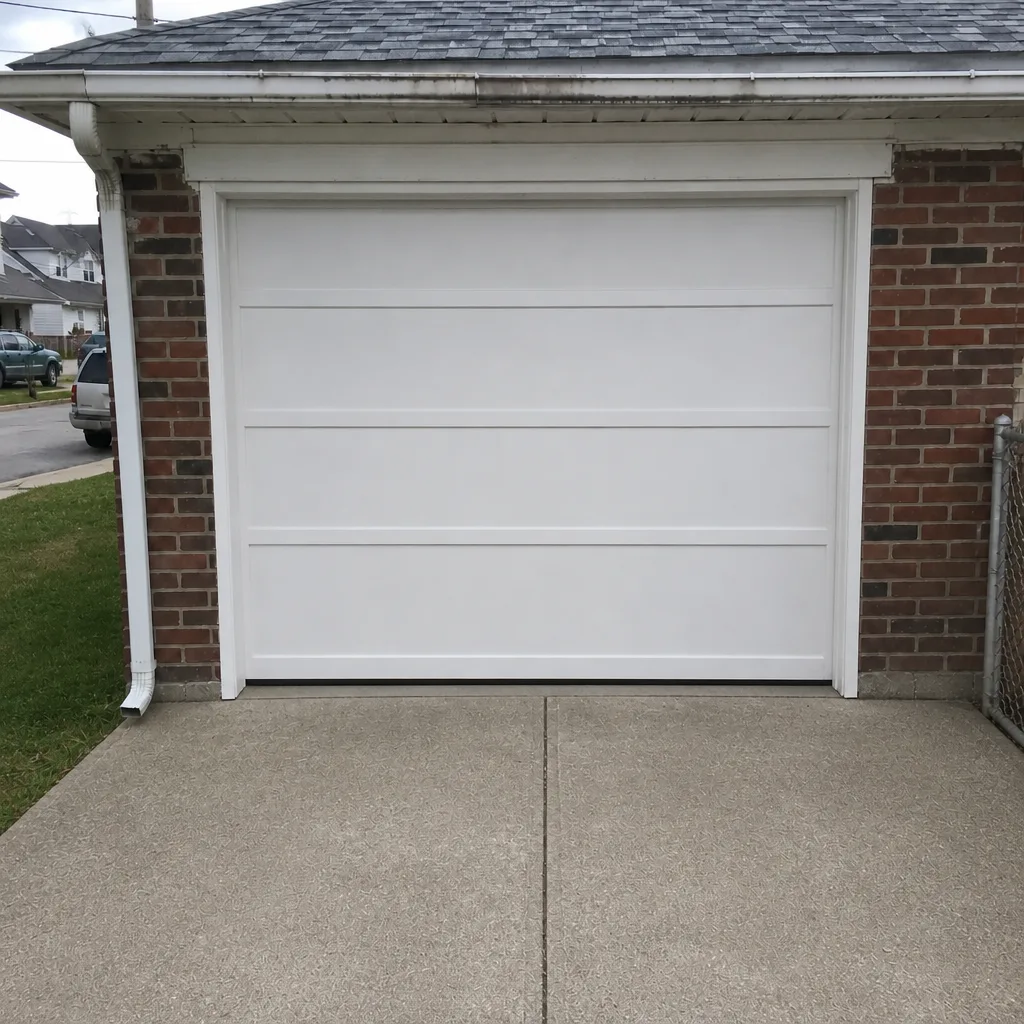 After
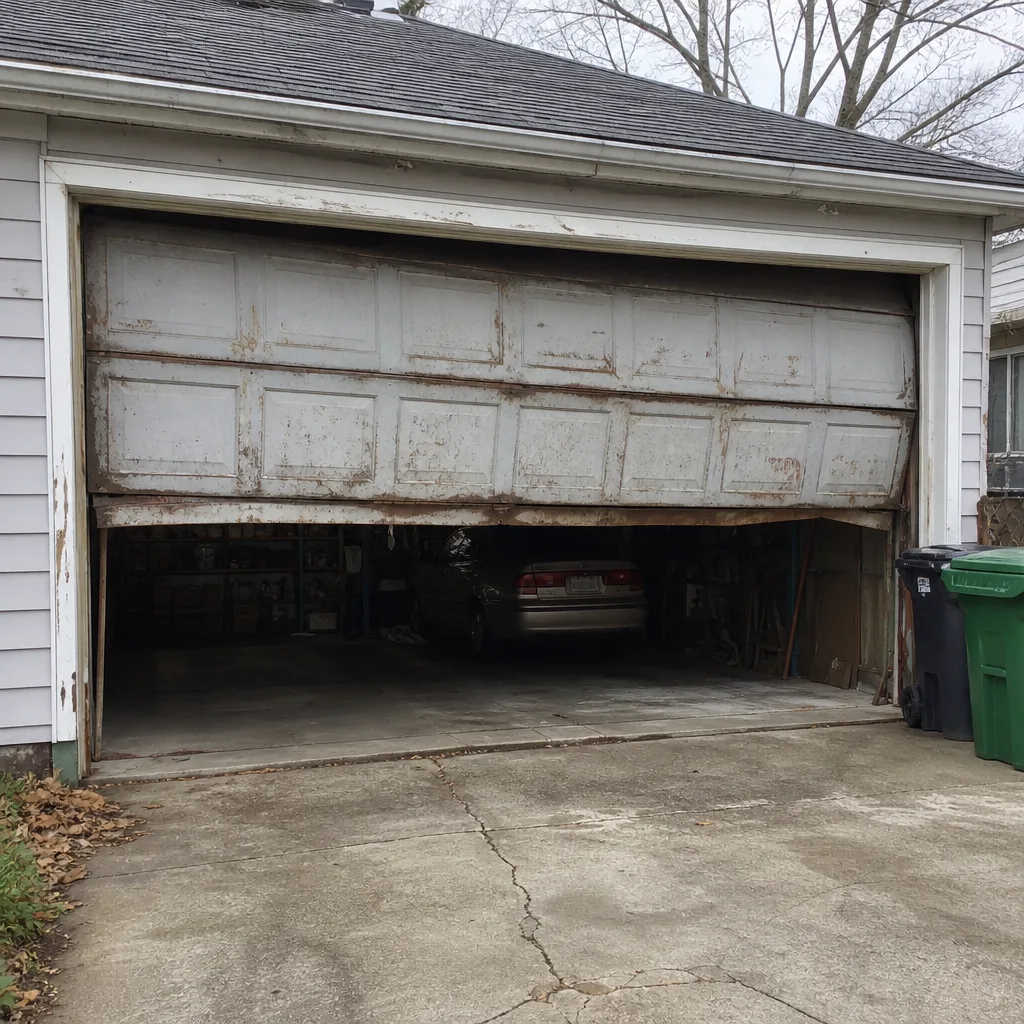 Before
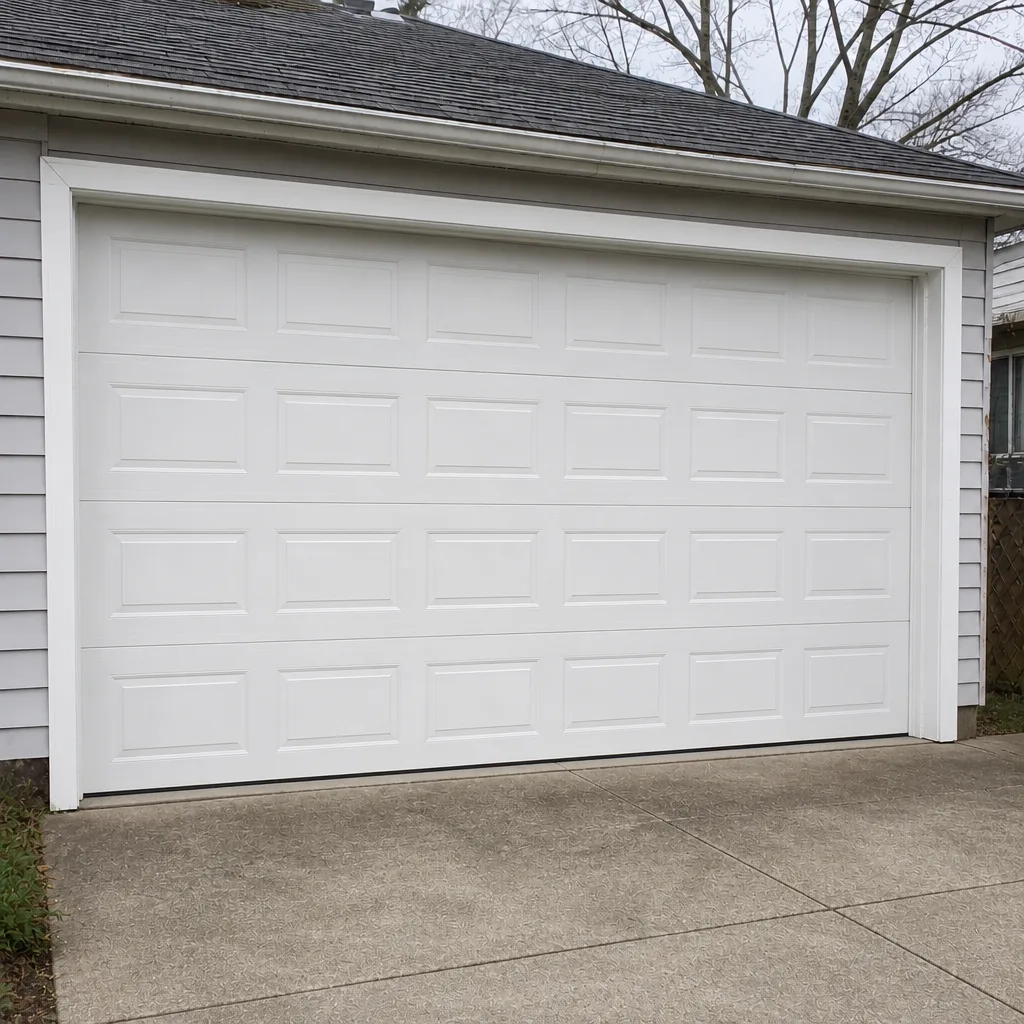 After
When to Call a Professional
Most of the seasonal checklist you can handle safely: balancing by hand, lubricating, tightening bolts, testing safety features, rinsing off salt, and checking seals. The call-a-pro line is when tension is involved or the door’s behavior suggests a loaded part is failing. Call us if the door drops or flies up during the balance test, if the springs look stretched, rusted, or broken, if a cable frays, if the door lifts unevenly or won’t open at all, or if the opener grinds or strains even on a day you just checked the balance. Those are the cases where continuing to run the door does more damage, and they’re exactly what emergency service is for.
Sunnyside Garage Door Repair Pros offers free estimates in Sunnyside. Call (833) 918-8419. We answer 24/7. Fast dispatch from 7am to 7pm, Sunday through Friday. If it’s urgent, same-day service is available for the right jobs. We work on nearly every major brand, from Amarr and Wayne Dalton to Craftsman and Raynor, so you’re not stuck waiting for a brand-specific dealer.
Frequently Asked Questions
October is the most important month. It’s the last comfortable window before cold sets in, and it’s when you can catch small problems while they’re still small. Lubricating the springs and hardware, tightening loose bolts, and correcting the door’s balance in October reduces the strain the cold will put on the system in January. Skip it, and the same spring wears out faster through a harder winter. Call (833) 918-8419 for an exact quote if you’d like the fall check done for you; estimates are free.
Cold shrinks and stiffens metal, and a spring that’s already near the end of its working life is more likely to snap when the temperature drops. In Sunnyside, the winters are cold enough to stress springs without everyone thinking about it, so a spring that was quietly wearing out all summer tends to fail in the first real cold snap. Fall prep lowers that risk, but it doesn’t make an old spring new again. If your door won’t lift, call (833) 918-8419.
You can handle most of it yourself safely: the balance test, lubricating the moving parts, tightening bolts, testing safety features, rinsing salt off the bottom seal, and checking for cracks. What you shouldn’t touch is the springs and cables. Torsion springs sit under extreme tension and cause serious injury without the right tools and training. If a check turns up a spring, cable, or balance problem, that’s a call to a trained technician.
Rinse the bottom seal and lower hardware with plain water after snowmelt to keep salt from sitting on the rubber and metal. Sidewalk salt and street de-icing runoff splash up onto the seal and corrosion accelerates there faster than plain weather would. Check the seal for cracks at the same time; a worn seal lets salt-water in where it does the most damage. Replacing a cracked seal before winter is cheaper than the heat loss and moisture it prevents.
A door that feels heavier or the opener that strains in summer is often a sign of an out-of-balance door, not just heat. Summer heat makes the garage hotter than the outdoor air, and an opener that’s forcing a stiff, unbalanced door works harder than it should; that’s the most common September service call we see. Fixing the balance protects the opener. If your opener grinds or strains, call (833) 918-8419 and estimates are free.
Plan on repair first. Most seasonal issues, from a strained opener to a sticking track, are fixable without replacing the door. We recommend replacement only when repair no longer makes sense for you, and we’ll tell you which side of that line your door is on. If you’re weighing a new door, we can talk through brand options without favoring any single manufacturer. Call (833) 918-8419 for a free estimate.
The Bottom Line
Seasonal garage door care in Sunnyside isn’t a single annual checkup; it’s a four-quarter rhythm. October is the month that matters most, because the fall prep is what keeps winter cold from turning into a January spring failure. Winter work is about salt and seals, spring work is about correcting winter damage in the right order, and summer work is about keeping the opener cool and the door’s humidity in check. Do the schedule, leave the high-tension parts to a trained technician, and the door will last longer and bother you less. The price is quoted and agreed before we start, and the written estimate sets the final price. Call (833) 918-8419 for a free estimate. We answer 24/7. Fast dispatch from 7am to 7pm, Sunday through Friday, and we’re closed on Saturday so a call that day is booked into the next opening.
Written by the team at Sunnyside Garage Door Repair Pros.